

The Case for the Greatest Hits
For a huge portion of the audience, a festival is a massive investment. With tickets, travel, and lodging often running into the hundreds, if not thousands, of dollars, the expectation is for a peak experience. This is where the 'greatest hits' setlist
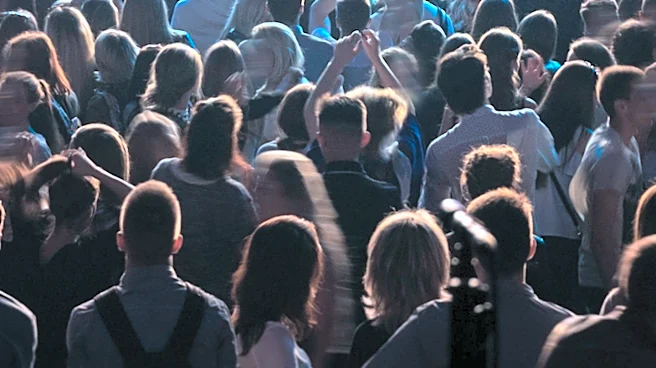
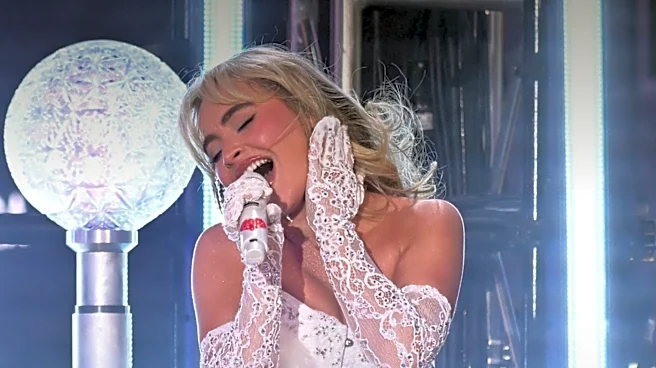
shines. It’s a guaranteed good time, a communal experience built on songs everyone knows the words to. The casual fan, who might only know the radio singles, gets to scream along to every track. Even for dedicated followers, there’s an undeniable energy in a field of thousands singing a beloved anthem in unison. Artists, in turn, are under immense pressure to deliver this kind of crowd-pleasing performance. At a festival, they're not just playing to their own fans; they're playing to a diverse crowd, many of whom might not know their work at all. A set packed with familiar, high-energy hits is the most effective way to win over new listeners and create a memorable, widely appealing moment. It’s a safe, reliable, and powerful way to connect with the largest number of people possible.
The Plea for the Deep Cuts
On the other side of the debate are the die-hards. These are the fans who have followed an artist for years, own every album, and have seen multiple tours. For them, hearing the same five singles they’ve heard at every show can feel repetitive and, frankly, a little boring. They crave the surprise and intimacy of a 'deep cut'—a lesser-known song that hasn't been played live in years, or maybe ever. Hearing a rarity is a reward for their dedication; it’s a nod from the artist that says, 'This one’s for you.' As one Reddit user discussing a Primus show noted, the energy can deflate when a band plays too many obscure songs for a mixed festival crowd, but for the superfans in attendance, those are the moments they live for. Artists like Bob Dylan have famously leaned into this approach, playing sets that casual attendees might not recognize at all, creating a unique experience for those deeply invested in his catalog. This approach trades broad, universal appeal for a deeper, more personal connection with a loyal core audience.
The TikTok and Streaming Effect
The modern music landscape, shaped by streaming and social media, has added a new layer to this debate. A single song can go viral on TikTok, racking up a billion views and creating an entirely new, massive audience for an artist practically overnight. This 'TikTok-ification' of music means more people might show up to a festival knowing only one or two of an artist's songs—the ones that trended. This puts even more pressure on artists to include those specific viral hits, as they are now major draws. Promoters and booking agents now consider an artist's social media influence when building festival lineups, shifting the focus from legacy album sales to viral moments. This can create a strange dynamic where the most anticipated song of a set isn't a classic No. 1 hit, but a 30-second audio clip that became a meme, further prioritizing specific, high-impact moments over a varied, album-spanning setlist.
No Easy Answers in a High-Stakes Game
Ultimately, artists are walking a tightrope. Festival set times are often shorter than a standard concert, forcing difficult choices about what to include and what to cut. Promoters book acts based on their ability to draw and please a crowd, a factor that often favors the hits. And while some artists, like Marilyn Manson, have been praised by hardcore fans for reintroducing deep cuts after years of predictable sets, they still acknowledge the need to play the big songs for the casual listeners. The debate isn't just about fan preference; it’s a complex negotiation involving financial risk, audience expectations, and artistic expression. An artist must decide whether to play to the entire field or to the dedicated fans in the front row. There's a risk of alienating casuals with too many obscure tracks, but also a risk of boring the faithful with a formulaic show. It's a balancing act with no perfect solution.