

More Than Just a Countdown
At its most basic level, the intro video is a masterful piece of crowd control. In a cavernous space like Las Vegas's T-Mobile Arena, home to the iHeartRadio Music Festival, focusing the energy of thousands of fans is no small feat. The moments between
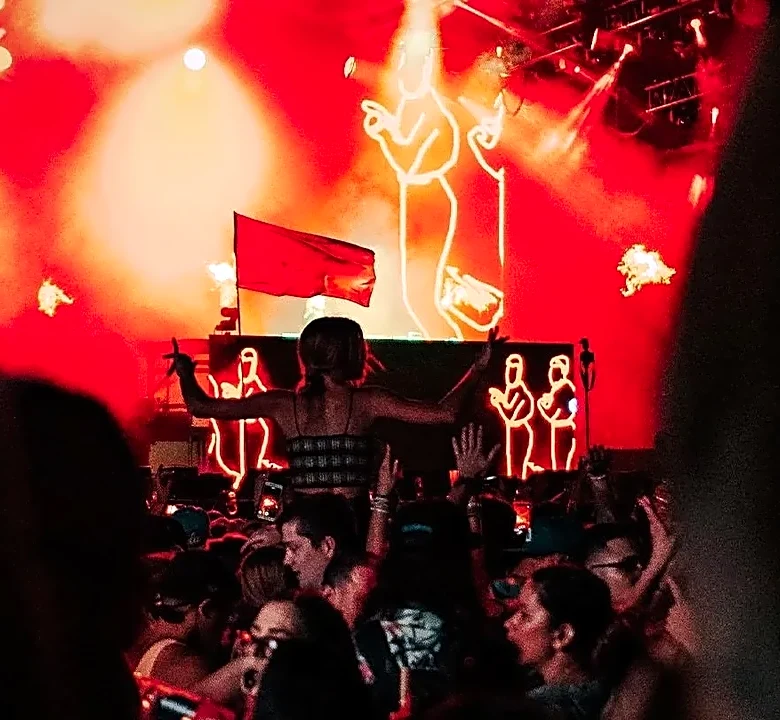
sets can feel like dead air, filled with chatter and distraction. The intro video kills that lull instantly. The second the house lights drop and the screens flare to life, every eye in the venue is drawn to one central point. It’s a signal to the audience: stop what you’re doing, the show is about to begin. This transition isn't just practical; it's psychological. It shifts the collective mindset from waiting to watching, transforming a restless crowd into a captive audience, primed and ready for the main event. It's the modern-day opening fanfare, a digital trumpet blast that announces the arrival of music royalty.
Crafting a Mini-Movie Narrative
The best intro videos are more than just a slickly edited montage of logos and tour dates. They are short films that tell a story. This narrative can take many forms, each tailored to the artist's persona and the message of their current musical era. For a legacy act, the video might be a powerful retrospective, weaving together iconic moments from a multi-decade career to remind the audience of their legendary status. For a new artist celebrating a debut album, it might be a raw, behind-the-scenes look at their journey to this massive stage, humanizing them and making the audience feel invested in their success. These mini-movies often introduce the themes and imagery that will dominate the performance to follow, creating a cohesive artistic statement. By setting the stage thematically, the video acts as the first chapter of the story the artist will tell through their setlist.
An Exercise in Brand Building
Every artist is a brand, and the intro video is a high-impact commercial. The aesthetic, from the color grading to the font choices, is meticulously curated to reinforce the artist's identity. A rock band’s intro might feature grainy, high-contrast footage and aggressive, fast cuts. A pop superstar’s video, in contrast, could be a glossy, high-fashion fantasy. This is a crucial part of the overall production design, which aims to create a seamless and immersive world for both the live audience and the viewers watching the broadcast at home. Production designers work to integrate the video content with the stage lighting and physical set pieces, ensuring every element feels part of a single, unified vision. This reinforces the artist's brand and makes the performance feel like a complete, curated experience rather than just a collection of songs.
The Science of Sound and Sensation
Intro videos are an assault on the senses, designed to create a physical and emotional response. The psychology behind them leverages our natural reaction to suspense and reward. The use of deep, resonant bass frequencies, rising synth swells, and carefully timed silence can create a palpable sense of tension. Our brains are wired to notice motion and the unexpected, and the quick cuts and surprising visuals of an intro video are designed to keep us hooked. This build-up activates dopamine, the brain's reward chemical, making the eventual payoff—the artist finally appearing on stage—feel even more satisfying. The experience taps into a powerful sense of FOMO, or the fear of missing out; you have to be watching to see what happens next. It's an expertly crafted manipulation of anticipation, turning a few minutes of waiting into a heart-pounding prelude.
A Promise to the Audience
Ultimately, an intro video is a promise. It sets expectations for the energy, spectacle, and emotion that the performance will deliver. If the video is epic, cinematic, and full of pyrotechnics, the crowd anticipates a high-energy blockbuster show. If it's intimate, quiet, and emotional, the audience prepares for a more personal and heartfelt performance. This visual and auditory contract helps bridge the gap between the fan's expectation and the artist's execution. By the time the artist walks on stage, the intro video has already done much of the heavy lifting, establishing a mood and a connection that elevates the entire concert from a simple performance into a shared, unforgettable event.