





The Up-Close Construction Check
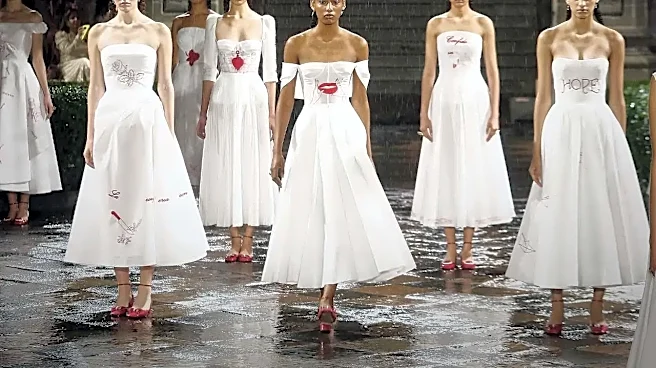
On the runway, a garment is part of a fast-moving illusion. In the showroom, it’s an object under intense scrutiny. Showroom teams and fashion buyers get to do what viewers can't: they touch everything. They flip garments inside out to inspect the seams,
the lining, and the finishing. A runway sample might be pinned or even taped to fit a model perfectly for its brief moment in the spotlight. The showroom piece, however, has to prove it's soundly constructed. Teams look for durability, clean stitching, and the quality of the hardware. This is the first and most practical test: is this garment built to last beyond a single walk?
The Reality of the Fabric
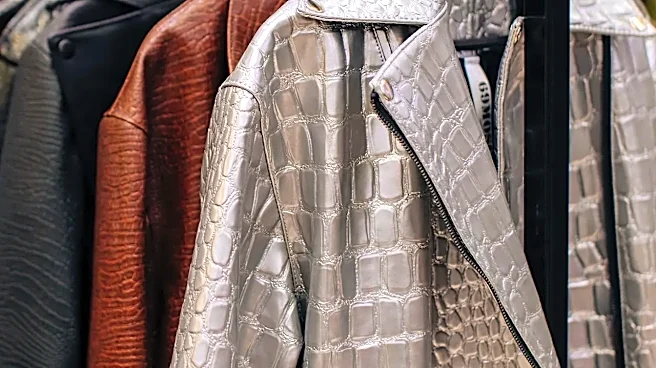
A fabric might look spectacular under dramatic runway lighting, but how does it feel in your hand? And more importantly, how will it wear in real life? Showroom teams analyze the tactile quality of the materials. They consider if a seemingly luxe fabric is too scratchy for a consumer, if a beautiful silk is too delicate for daily wear, or if a wool is lightweight enough for its intended season. This is also where practicality enters the conversation. A material might be breathtaking, but if it requires expensive or difficult care, it can be a tough sell for retailers aiming for a broader market. The feel of the fabric is a crucial part of translating a designer's vision into a product someone will want to wear.
The Translation to Real Bodies
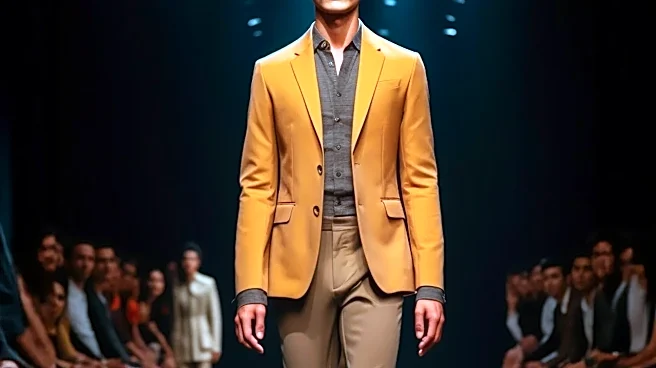
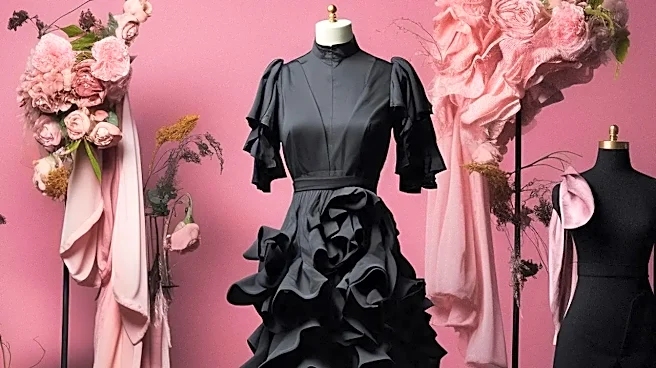
Runway models are chosen for their ability to showcase a designer's specific, often extreme, silhouette. But the average customer doesn't have the same proportions. In the showroom, the key question becomes: how does this translate? Sales teams and buyers assess how a garment will fit on a variety of body types. An exaggerated sleeve that looked amazing in motion might overwhelm a shorter frame. A drop-waist dress might need to be offered in different lengths to be flattering. This is where sample sizes are tried on, analyzed, and discussed, determining if the fit is forgiving, adjustable, or too restrictive for a commercial audience.
The Commercial Edit
Not every piece that graces the runway is intended for mass production. Some are purely for show—marketing tools designed to create a memorable moment. The showroom is where the collection gets its commercial edit. Buyers give direct feedback: "We love this dress, but can we get it in black?" or "This silhouette is great, but that embellishment is too much for our customer." This process is a negotiation between art and commerce. A designer’s avant-garde idea might be simplified—a dramatic neckline softened or a bold pattern swapped for a more sellable colorway—to ensure it ends up on store shelves and not just in runway photos. These orders determine which pieces actually get produced.
The Story and the Sale
Finally, showroom teams are storytellers. Beyond the individual garments, they sell the entire collection's narrative to buyers. They explain how different pieces can be merchandised together in a store, creating a cohesive look that draws customers in. They demonstrate versatility, showing how a single jacket can be styled for three different occasions. While the runway presents the most high-concept version of the story, the showroom makes it relatable and, most importantly, shoppable. They connect the fantasy of the designer's vision with the reality of a customer's closet, ensuring the clothes don't just get seen, but get sold.