



The Party with a Purpose
To understand the power of the Essence Festival of Culture, you have to understand it’s more than just a music festival. Since its inception in 1995 to celebrate the 25th anniversary of Essence magazine, it has become a multi-day homecoming for Black
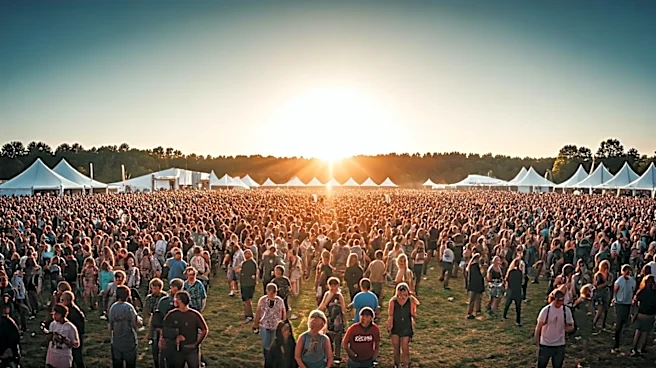
culture. [1, 16] It is an ecosystem of concerts, empowerment panels, beauty expos, and community-building that draws hundreds of thousands of people, primarily Black women, to New Orleans each year. [1, 24] This isn’t a passive audience watching from a field; it’s an active, intergenerational congregation. The New York Times once called it "an important event in non-hip-hop black pop for an entire generation," and that cultural weight is its secret weapon. [3] When an artist takes the main stage at the Caesars Superdome, they aren't just performing for ticket holders; they are bearing witness before a community that views them as family.
The Algorithm's Cold Comfort
Now, let’s talk about the modern kingmaker: the playlist. Getting a song placed on a major Spotify or Apple Music playlist like "Rap Caviar" can lead to millions of streams and launch a career. [25] It's an undeniably powerful tool for discovery, introducing artists to listeners around the globe. But there's a difference between discovery and devotion. Many of these listens are what industry insiders call "drive-by streams"—passive, background listening from users who are less likely to become committed, active fans. [25] The algorithm serves you what it thinks you’ll like, creating a pleasant, but often forgettable, stream of content. It’s a transaction of data, designed for scale and efficiency. It can get a song heard, but it can’t make it *felt* in the same way a live, communal experience can. [17, 21]
The Anatomy of a Revival
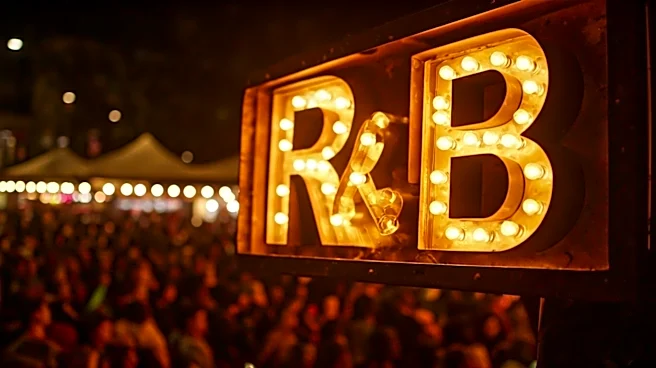
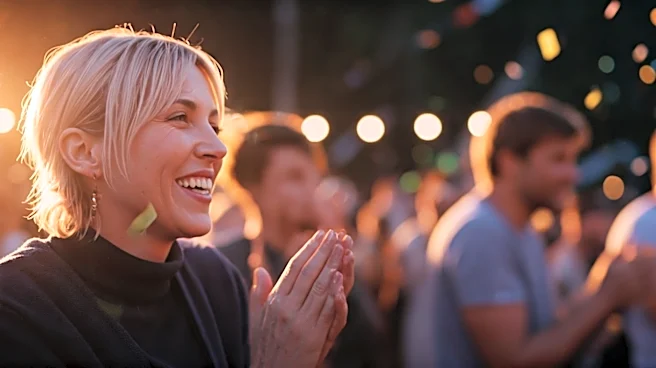
Imagine this: It’s Saturday night at Essence Fest. Maxwell, an artist whose name is synonymous with soulful R&B, steps into the spotlight. The opening notes of a classic ballad begin, and a collective sigh of recognition ripples through the 40,000-plus crowd. As he sings, his voice is joined by thousands of others, each person connecting the song to a personal memory—a first love, a heartbreak, a quiet moment of reflection. This is the Essence effect. It’s New Edition closing out the festival with "If It Isn't Love" and creating a stadium-wide singalong that feels like a family reunion. [5, 6] It’s Boyz II Men performing “I’ll Make Love to You” and reminding everyone in the building of the power of a perfectly crafted love song. [4] These moments transform a song from a digital file into a living, breathing entity. The performance isn’t just heard; it’s shared, creating a powerful emotional feedback loop between the artist and an audience that has a decades-long relationship with their music.
Culture Over Curation
A playlist adds a song to a list; Essence Fest adds it back into the cultural conversation. After a show-stopping performance, attendees leave the Superdome and take that energy with them. They post clips to social media, text their friends, and, most importantly, revisit the artist’s catalog with renewed passion. The song isn't just a 'like' on a streaming platform; it's the centerpiece of a shared memory from a cultural pilgrimage. [10] While a playlist’s influence is measured in streams, the festival’s impact is measured in resonance. It serves as a powerful platform for African American voices, celebrating the community's heritage in a way that is both entertaining and deeply empowering. [7] The festival serves not just to entertain, but to validate and uplift the very culture from which the R&B ballad was born.