





The Louisiana Cauldron
To understand the musical DNA of Jerry Lee Lewis, you have to go to Ferriday, Louisiana. Born into a poor farming family, Lewis was surrounded by a potent mix of sounds that would form the bedrock of his style. He absorbed the plaintive storytelling of country
singers like Jimmie Rodgers and Hank Williams from the radio, the fervent, emotional release of hymns from the Assembly of God church he attended with his cousin, future televangelist Jimmy Swaggart, and the raw, rhythmic power of the blues. Lewis and his cousins would sneak over to Haney's Big House, a local Black juke joint, soaking in the unfiltered boogie-woogie and rhythm and blues that pulsed from within. This wasn't a formal education; it was an immersion in the sacred and the profane, the Saturday night sin and the Sunday morning redemption that defined his life and his music.
A Piano on Fire
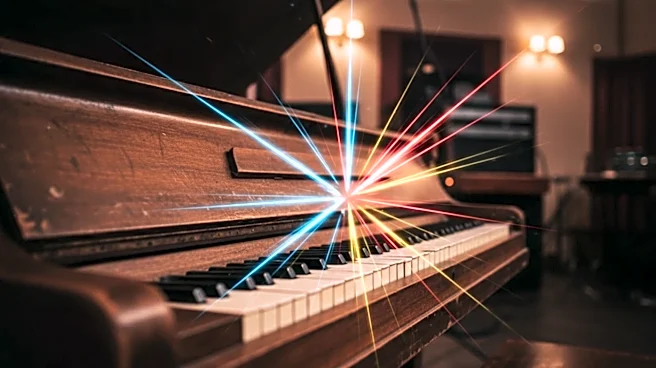
The piano wasn't just an instrument for Jerry Lee; it was an extension of his chaotic energy. While other rock and rollers favored the guitar, Lewis made the 88 keys his weapon, earning him the moniker "The Killer" and the billing of "Jerry Lee Lewis and his Pumping Piano". His style was a percussive assault. His left hand laid down a relentless, pumping boogie-woogie bass line, providing a rock-solid rhythmic engine. This freed up his right hand to fly across the upper register with a dizzying mix of country licks, bluesy flourishes, and his signature move: the glissando. By raking his fingers or thumb down the keys, he created a thrilling, cascading sound that became iconic. He played standing up, kicking the bench away, and sometimes, quite literally, setting the piano on fire—a perfect visual for the incendiary sound he produced.
The Devil's Preacher
Lewis’s voice was as crucial to his sound as his piano. It was a bundle of contradictions: a country drawl infused with a menacing growl and a touch of gospel fervor. He could deliver a tender country ballad with surprising sincerity, then pivot to a lustful rock and roll shout without missing a beat. This duality was a core part of his identity. He was famously expelled from a Bible college for playing a boogie-woogie version of "My God Is Real," an act that perfectly captured the lifelong tug-of-war between his faith and his 'devil's music'. When he sang, you could hear the passion of a preacher, but the message was one of earthly desire and rebellious freedom. This created a tension in his music that was both seductive and dangerous, setting him apart from his peers.
Lightning in a Bottle at Sun
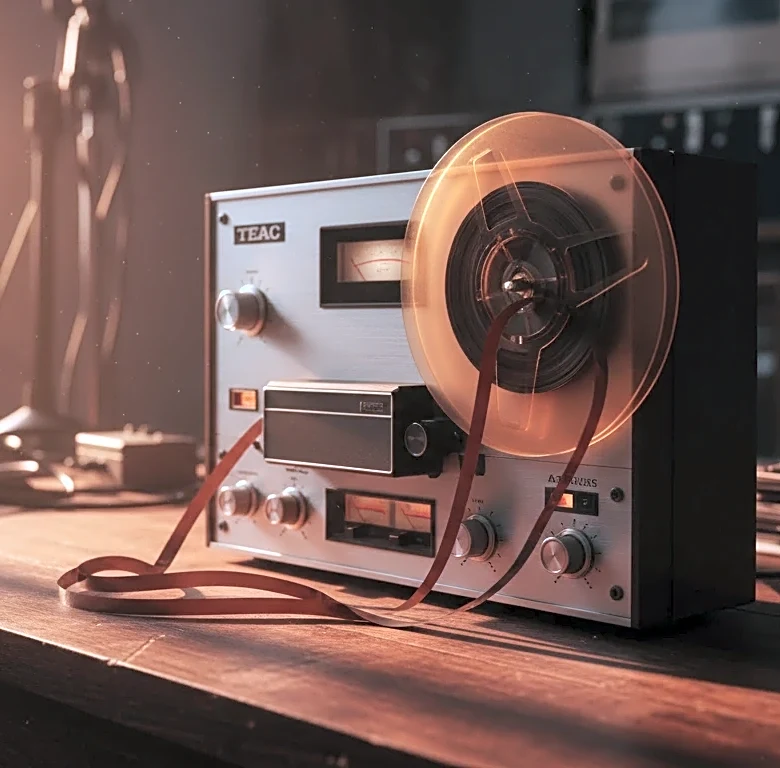
The final ingredient was the studio that captured his sound: Sun Records in Memphis. Founder Sam Phillips wasn't looking for polished perfection; he was hunting for authenticity and raw energy. The small, acoustically imperfect room at 706 Union Avenue, combined with Phillips's innovative techniques, was the perfect environment for an artist like Lewis. Phillips famously used a tape delay technique known as "slapback echo," creating a percussive, reverberating effect that magnified the intensity of Lewis's recordings. This wasn't about smoothing the edges; it was about amplifying the chaos. The Sun sound wasn't just clean audio; it was the sound of a room, a moment, and an artist's untamed spirit being captured on tape for the first time. It gave tracks like "Whole Lotta Shakin' Goin' On" and "Great Balls of Fire" a live, electric feel that felt like it could burst through the speaker at any moment.