









The Allure of Authenticity
In a world of generic, algorithm-pleasing content, audiences crave something real. There’s a long-held axiom in storytelling: specificity breeds universality. A story about someone trying to “find love” is abstract, but a story about a woman navigating
the brutal, bodega-fueled dating scene of the Upper West Side feels tangible. New York’s specificity—the screech of the subway, the astronomical price of a tiny apartment, the strict social codes of a neighborhood—provides a textured, authentic backdrop that can’t be faked. This authenticity acts as a currency of trust. When a story feels grounded in a real place, with real struggles, audiences are more likely to invest emotionally, even if their daily life is a world away from a Brooklyn brownstone. They trust the story because its details ring true.
The City as a Character
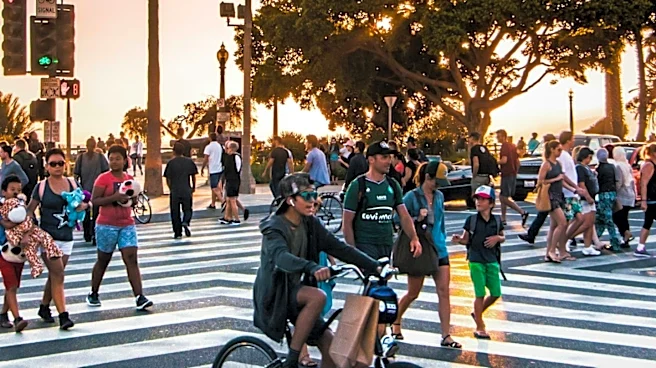
In many of the most successful New York stories, the city isn't just a setting; it's a main character. Think of the way shows like “Sex and the City” or “Seinfeld” use the city’s landmarks and daily frustrations as plot devices. The quest for a cab in the rain, the drama of a co-op board interview, or the simple joy of a perfect slice of pizza are narrative moments born from the city itself. These details do more than just add color; they influence the characters' decisions and drive the story forward. The city’s iconic landscape—from the grandeur of the Empire State Building to the grit of a Lower East Side street—provides a powerful, recognizable visual language that has been embedded in global culture for decades. It’s a backdrop that comes pre-loaded with meaning, ambition, and a sense of possibility.
Aspirational and Vicarious Living
For millions around the world, New York City represents more than just a place; it’s an idea. It symbolizes ambition, reinvention, and the dream of “making it.” Watching a story set in New York allows for a form of vicarious tourism and aspirational living. Viewers can experience the hustle and glamour from their couch, participating in a culture that feels both exclusive and universally fascinating. The very specificity that defines New York culture—the fashion, the food, the pace of life—is what makes it so desirable to outsiders. It’s not just any city; it's a global hub for finance, media, and the arts, giving the stories set there an inherent sense of importance and high stakes. This cultural magnetism turns viewers into virtual residents, invested in the characters' urban triumphs and tribulations.
Universal Themes in a Concrete Jungle
Ultimately, the reason New York stories travel so well is that their specific problems tap into universal human emotions. The struggle to find a decent apartment speaks to a universal need for a home. The loneliness one can feel in a city of millions is an emotion anyone can understand. The challenge of forging a career in a competitive environment is a global ambition. By grounding these universal themes in the concrete details of New York, storytellers make them more potent, not less. We may not have experienced a subway delay during a blizzard, but we know what it feels like to be frustrated and late. It’s through the finely-observed, specific moments that we connect with the broader, shared human experience.