




A Shift in Silhouette
For years, Scandinavian style has been synonymous with a certain kind of cozy, oversized layering—think chunky knits and voluminous coats. While that comfort-first approach still has its place, the recent runways and street style moments in Copenhagen
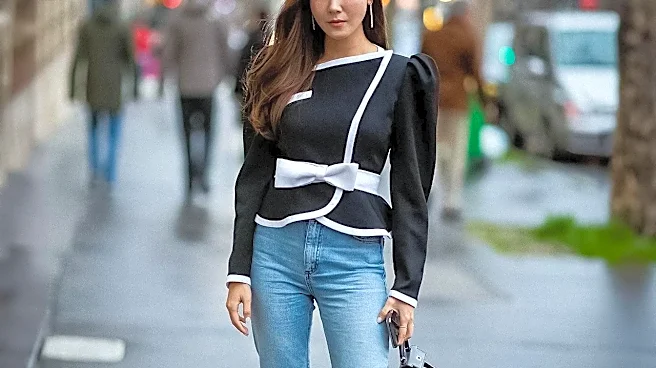
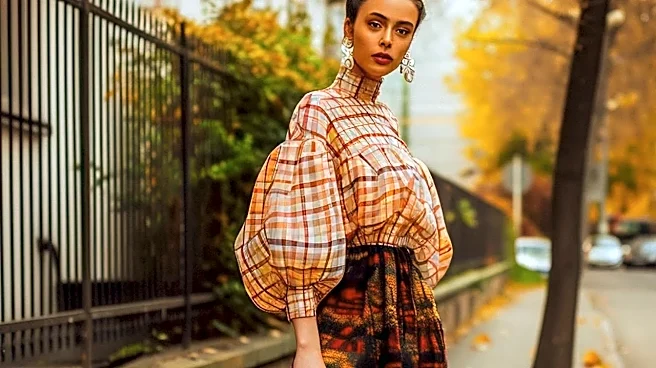
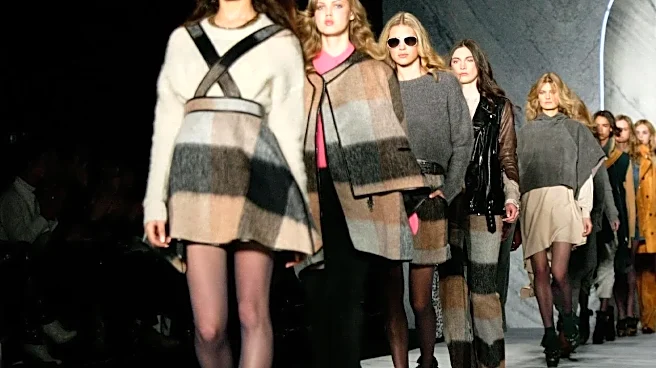
signaled a definitive shift. The new ideal isn't about piling on volume, but about creating deliberate, structured shapes. This was seen in the prevalence of strong-shouldered blazers, crisp trench coats, and tailored vests. Instead of obscuring the body, these pieces were used to build a defined, almost sculptural, silhouette. The look is less about haphazardly throwing on pieces to stay warm and more about a considered construction of an outfit, where each layer serves a distinct purpose in shaping the final form.
The Power of Strategic Contrasts
The magic of this architectural approach lies in the art of contrast. Designers and attendees alike mastered the technique of mixing materials to create definition. A hard, structured blazer was often paired with a fluid, sheer skirt; a crisp button-down shirt peeked out from under a soft, slouchy knit. This play between hard and soft, structured and fluid, is what prevents the look from becoming a monolithic block of fabric. It’s a technique that creates visual interest and dimension. For its Fall/Winter 2026 collection, one brand layered lace under sturdy gabardine to break up the solidity, proving how a delicate fabric can create negative space and form.
It’s All in the Details
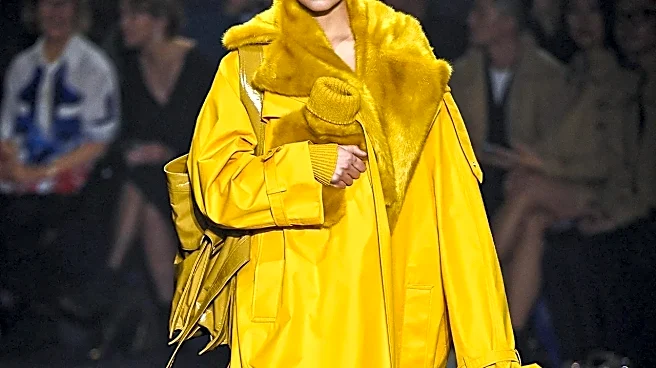
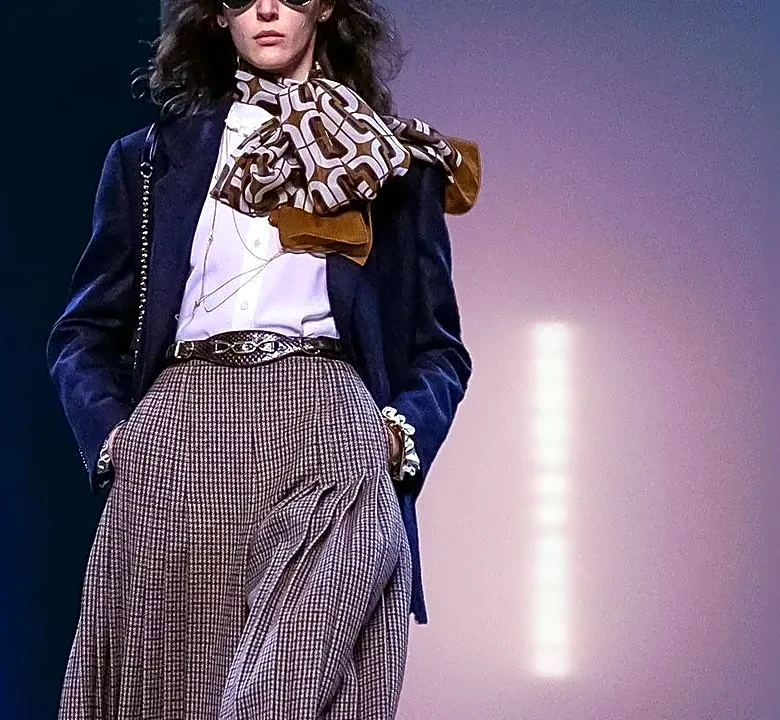
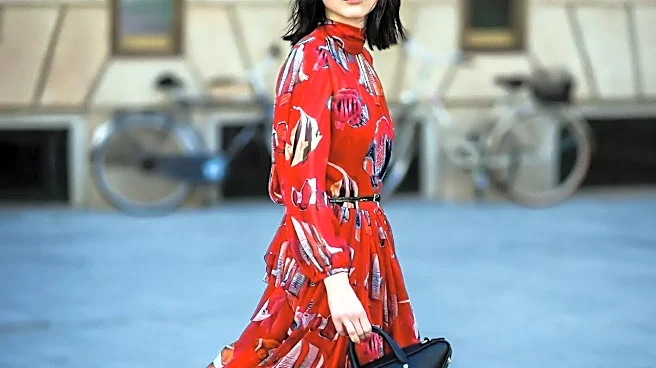
This trend also hinges on an appreciation for the small, intentional styling tricks that create clean lines. One of the most prominent looks was layering a long tunic, dress, or even a dramatic cape over a pair of lean trousers. This creates an elongated, elegant silhouette with movement and balance, rather than horizontal bulk. Similarly, street style stars demonstrated how a simple adjustment—like layering a sheer dress over jeans and a T-shirt or strategically knotting a scarf—adds depth without weight. Even menswear-inspired ties and floral chokers were used to draw the eye and add a point of structure around the neck. It’s layering that feels inventive and fresh, broadening the horizon beyond just a shirt under a sweater.
Sculptural Foundations
Certain designers are becoming known for this specific brand of architectural, thoughtful design. Brands like BIRROT experiment with garments that lie flat and two-dimensional until worn, at which point they become sculptural expressions of the body. Others, like The Garment and Herskind, focus on durability and precision tailoring, creating foundational pieces like sharp blazers and structured coats that are built to be layered. One designer was even inspired by the works of an abstract sculptor, translating industrial, tactile forms into a collection rooted in minimalism. This approach, which blends influences from origami to military style, proves that complexity can be felt in the structure of a garment, rather than loudly announced.