

More Than a Custom Fit
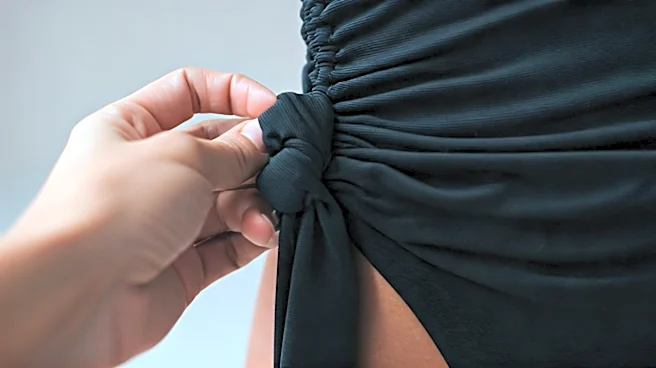
The most obvious function of a side tie on a bikini bottom or a monokini is adjustability. It allows the wearer to customize the fit, ensuring the suit is neither too tight nor too loose. This alone is a significant advantage, accommodating a wider range
of body shapes within a single size. But for the designers showcasing their collections under the Florida sun, the side tie is a far more sophisticated tool. It’s a key instrument in the art of illusion, used to strategically guide the eye, manipulate lines, and ultimately control the perception of proportion. It’s the difference between a swimsuit that simply fits and one that actively flatters.
The Leg-Lengthening Illusion
One of the most effective ways designers use side ties is to create the illusion of longer legs. This is all about placement. By designing bottoms with ties that are meant to be secured high up on the hip, above the natural hip bone, designers achieve a visual effect similar to that of a high-cut ‘80s silhouette. This technique draws the eye upward, making the leg line appear to start higher on the torso. The result is a lengthening effect that can make anyone’s legs look miles long. Thin, delicate ties are particularly effective here, as they minimize visual clutter on the hips and keep the focus on the elongated silhouette they help create. You’ll see this trick used by brands known for their celebration of the female form, turning a simple string into a tool of optical architecture.
Sculpting the Midsection
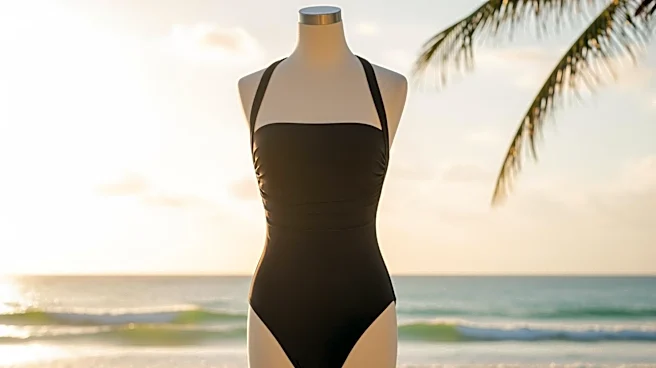
Side ties are also instrumental in shaping and defining the torso. In one-piece suits or monokinis, dramatic side cutouts held together by a lattice of ties can create an instant hourglass figure. The negative space—the skin that is revealed—is just as important as the fabric. The ties pull the fabric taut across the front and back panels, cinching the waist and drawing attention to the narrowest part of the body. On high-waisted bikini bottoms, side ties offer a clever compromise. They provide the coverage and retro appeal of a high waist while the adjustable gaps at the side prevent the style from looking too heavy or blocky. This allows for controlled skin exposure that breaks up the fabric and adds a modern, alluring touch.
The Art of Visual Balance
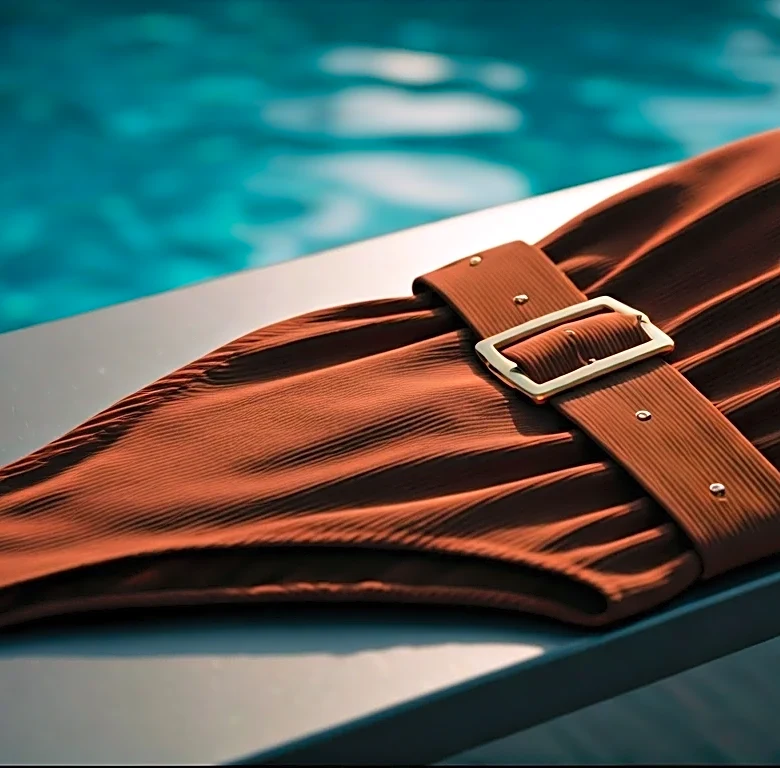
Proportion is all about balance, and side ties are a master key to achieving it. For instance, for a client who is broader in the shoulders or has a larger bust, a simple side-tie bottom works wonders. The minimal fabric and thin strings on the hips create very little “visual weight,” which helps balance the top half of the body. Conversely, if the goal is to create the illusion of curvier hips to balance a straighter figure, designers might use bottoms with thicker ties, tassels, beads, or metal hardware. These embellishments add volume and draw the eye to the hips, effectively building a curve where there might be less natural definition. The side tie becomes a modular element that can be beefed up or scaled down to perfect the overall symmetry of the silhouette.
Putting Control in the Wearer’s Hands
Ultimately, the genius of the side tie is its transfer of power. The designer makes the strategic choices—the thickness of the string, the placement of the loops, the addition of hardware—but the final execution is left to the wearer. You decide how high on the hip to tie the bow. You determine how much coverage you want or how dramatic the cutout should be. This small element democratizes high-fashion concepts, taking them from the rarified air of the runway and putting them into the practical, real-world context of a day at the beach. Designers are giving you the tools; the side tie invites you to become your own stylist.