







The All-American Narrative
American culture is built on the promise of the second act. It’s a theme baked into the national identity, from rags-to-riches fables to the underdog who defies the odds. We love a hero who gets knocked down and gets back up, whether it’s Rocky Balboa
on the silver screen or Michael Jordan returning to the Bulls. This fascination isn't just cinematic; it's a core tenet of how Americans consume sports. We don't just want to see victory; we want to see victory that has been earned through struggle. A flawless win is impressive, but a win that follows a devastating loss, a public failure, or a career-threatening setback feels more meaningful. It provides a clear, emotionally resonant plotline that transforms a game into a saga.
Finding a Foothold in the 'Beautiful Game'
For many Americans, soccer can feel intimidating. The constant motion, the lack of commercial breaks, the low-scoring results, and the tactical nuances can make it hard for a casual viewer to find a narrative foothold. A 0-0 draw can feel anticlimactic if you don't know what to look for. This is where the redemption arc becomes so vital. It provides a simple, powerful story that cuts through the complexity. You don't need to understand the intricacies of a 4-3-3 formation to root for a player returning from a horrific injury or a team trying to avenge a past humiliation. This narrative lens gives American fans a reason to invest emotionally, turning 90 minutes of gameplay into a chapter in a much larger story. Media outlets understand this, often framing their coverage around these compelling human dramas to attract and hold a wider audience.
From Personal Demons to National Triumph
Soccer is filled with legendary redemption arcs. Think of England's David Beckham, who went from national villain after a red card at 1998 World Cup to the hero who scored the free-kick that sent his country to the tournament four years later. Or consider Lionel Messi, arguably the greatest player of all time, who for years was haunted by his inability to capture a World Cup for Argentina. His journey of repeated heartbreaks, culminating in his triumphant 2022 victory, was a redemption story on a global scale. On a more personal level, players like Santi Cazorla and Luke Shaw have made incredible comebacks after injuries so severe that doctors questioned if they would ever play again, let alone compete at an elite level. These stories of overcoming adversity—whether it's public shame, personal failure, or physical trauma—are the lifeblood of sports drama.
The Stage Is Set for 2026
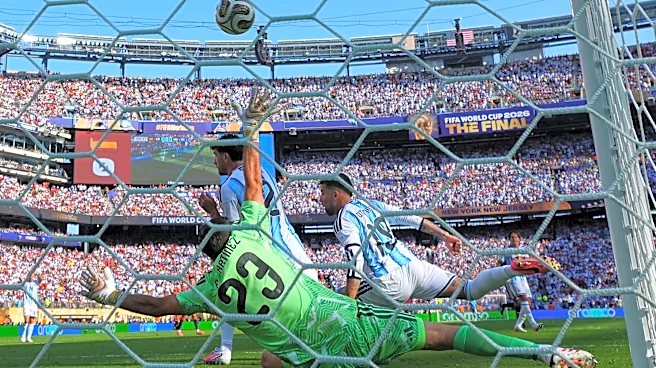
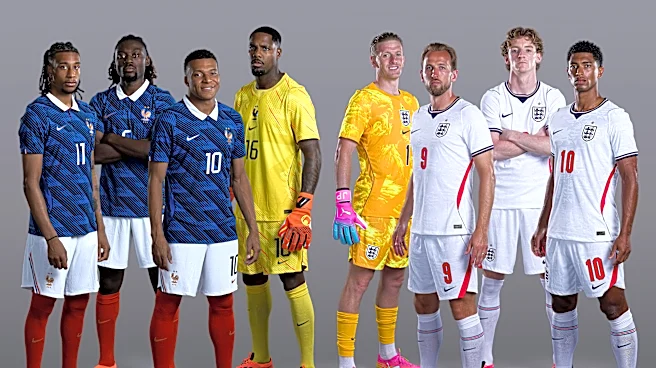
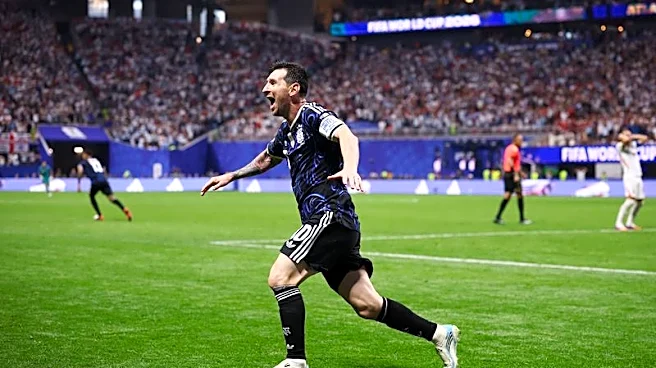
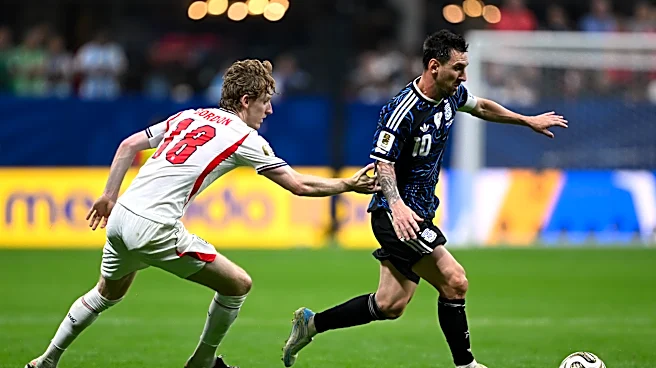
As the United States prepares to co-host the FIFA World Cup in 2026, the sport's domestic popularity is surging. For new fans, these narratives are more important than ever. The tournament offers a perfect stage for new comeback stories to unfold. Look no further than Argentina’s recent run in the current tournament, where Lionel Messi has led his team through a series of dramatic comeback victories on their way to the final. In the Round of 16 against Egypt, Argentina was down 2-0 with just over 10 minutes left before staging a miraculous 3-2 comeback, a feat which Messi was central to. Then, in the semifinal against England, he delivered a game-winning assist in stoppage time to complete another stunning turnaround. These are the kinds of moments that create lifelong fans. They transform viewers into followers by giving them a hero to believe in and a story worth telling.