





The Ultimate Agent of Chaos Gets a Plus-One
Let's be honest: Rod Farva is a human-shaped grenade. He is arrogant, insecure, obnoxious, and possesses a level of unearned confidence that could power a small city. He's the guy who betrays his friends, gets demoted to dispatcher, and still believes
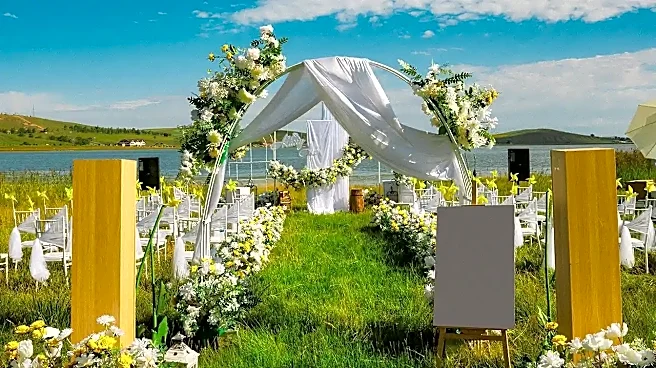
he's the hero of the story. Now, imagine that man planning a wedding. The premise of his engagement instantly creates a fish-out-of-water scenario where the fish is a piranha and the water is a vat of expensive champagne. Every terrible instinct Farva has—his one-upmanship, his mean-spirited pranks, his desperate need for approval—would be amplified to an insane degree. The wedding isn't just a backdrop; it’s a playground for his worst tendencies. From choosing the venue to the bachelor party, every decision becomes a potential disaster, putting him in situations that are wildly inappropriate and, therefore, hilarious.
A Built-In Conflict for the Entire Team
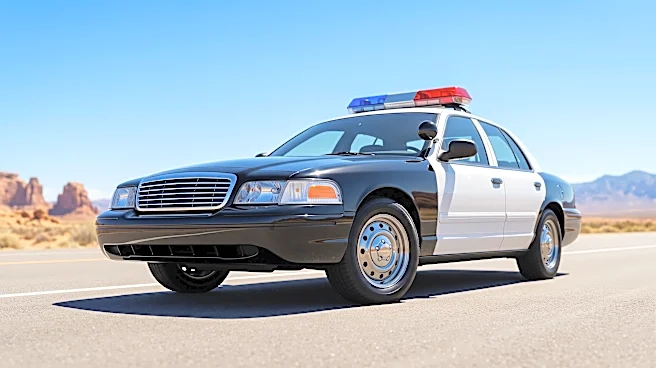
A great sequel needs to give its ensemble cast something to do, and Farva’s wedding forces the entire Vermont Highway Patrol barracks into his orbit of madness. The premise reported for the film, that Farva is marrying Thorny's sister, is comedic genius. It creates an immediate, personal, and high-stakes conflict for the group's de facto leader. Thorny is forced to try and sabotage the wedding of a man he despises to save his family. This dynamic pits two of the central troopers against each other. Meanwhile, the other guys are dragged along for the ride. Mac and Foster have to be groomsmen. Rabbit has to interact with Farva’s future in-laws. Captain O'Hagen gets to watch the slow-motion car crash with detached amusement. The engagement becomes a unifying crisis, forcing the team to navigate a minefield of Farva’s making, ensuring that every character gets their moment to react to the escalating absurdity.
The Perfect Trojan Horse for New Antagonists
The first two films centered on external threats: a local drug smuggling ring and a border dispute with Canadian Mounties. A wedding plot provides a fresh source of antagonism: the in-laws. By making Farva the groom, the story can introduce a whole new cast of characters who are contractually obligated to interact with him. Reports indicate the plot leans into this, with Thorny and Farva competing for the approval of Thorny's Indian parents, who find Farva's crassness amusing. This setup allows for classic wedding-movie tropes to be twisted through the bizarre Super Troopers lens. The clashing of families, the awkward dinners, the culturally inappropriate moments—all are ripe for comedy, especially when one side of the equation is the walking catastrophe that is Rod Farva. It grounds the film's conflict in character dynamics rather than a simple crime plot.
It Gives the Breakout Character His Moment
Whether you love him or hate him, Farva is arguably the most memorable and quotable character to emerge from the franchise. His catchphrases and chaotic energy made him a fan favorite. Centering the third film’s premise on him is a smart move that acknowledges his breakout status without making him the straightforward hero. He is the main character, but he’s also the primary source of the problem and the butt of the joke. It's his wedding, but the story is really about everyone else's suffering because of his wedding. This allows the filmmakers to lean into what works about the character—his ability to generate conflict and cringe—while using it to service the entire ensemble and push the story forward in a new and unexpected direction.