



The Power of the First Impression
There’s a compelling case for the pilot episode. A great pilot is a show’s mission statement, a 60-page declaration of intent. It introduces the world, establishes the characters, and, most importantly, makes a promise to the audience. It’s where the series’
entire DNA is encoded. Submitting a pilot is a confident flex, asserting that the initial creative spark was so bright it deserves to be judged as the season’s best hour. Think of iconic pilots that redefined genres or launched cultural conversations. They carry the raw energy of creation, unburdened by the weight of an entire season’s narrative. For a voting peer, reading a pilot script is a reminder of that thrilling moment when they first discovered a new favorite show. It’s an argument for potential, for the power of a brilliant beginning, and a bet that the first hello was more impactful than the last goodbye.
Sticking the Landing
On the other hand, the finale is where mastery is proven. While a pilot sells a promise, a finale delivers the payoff. It’s the culmination of every character arc, the resolution of every central conflict, and the ultimate test of a writing staff’s ability to bring a story to a satisfying conclusion. Submitting a finale argues that the show is more than just a great concept; it’s a fully realized work of narrative art. This is especially true for final seasons, where the last episode carries the immense pressure of providing a legacy-defining statement. Consider the discourse around the finales of shows like Succession or The Americans. These episodes weren't just an hour of television; they were cultural events that demonstrated a command of theme and character over multiple years. In a crowded TV landscape, sticking the landing is arguably a rarer and more difficult feat than starting strong, making a powerful finale a potent Emmy contender.
The Mid-Season Wildcard
Of course, the debate isn’t strictly a binary choice. Often, a show's most daring and memorable hour happens somewhere in the middle. The 'bottle episode,' the shocking mid-season twist, or a formally inventive installment can showcase a writers' room at its most creative. These wildcard submissions are a gamble that voters will reward ambition and novelty over the structural importance of a premiere or finale. Historically, these kinds of episodes can break through. They demonstrate a show’s versatility and confidence, proving it can deliver a masterpiece without the built-in narrative weight of a beginning or an end. It's a way of telling the Television Academy, "Our best work isn't just about setting up or paying off; it's about the brilliant storytelling we do every week."
What the 2026 Emmys Revealed
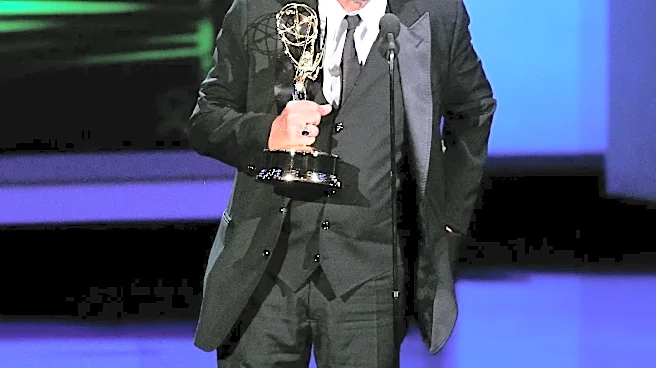
This year's Emmy season provided a fascinating snapshot of this ongoing debate. While HBO's heavily nominated new drama The Pitt earned nods for multiple episodes, including some in the middle of its run, the Outstanding Writing for a Drama Series award ultimately went to Dan Gilroy for "Welcome to the Rebellion," an episode of Andor. This win for a critically acclaimed, plot-heavy mid-season episode shows that voters are willing to reward hours that aren't necessarily a pilot or finale. Meanwhile, in the comedy and limited series races, strategy varied. DTF St. Louis won for its writing, while the final season of Hacks racked up a record-breaking 24 nominations by being strategic with its submissions. Insiders noted that some shows played it smart by submitting only a single, powerful episode in the writing category to avoid splitting the vote. This suggests that in 2026, the winning strategy wasn't just about choosing the 'best' episode, but the one with the clearest path to victory.