


Why Your Lip Balm Isn't Working
If you’re struggling with persistently chapped lips, you’re not alone. The skin on your lips is incredibly thin and delicate, lacking the oil glands found elsewhere on your body. This unique anatomy makes them highly susceptible to moisture loss from
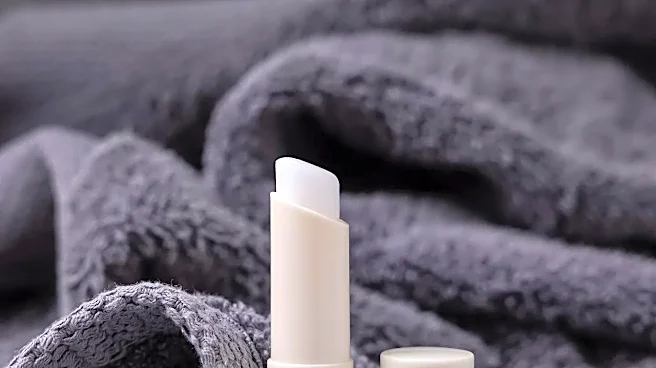
environmental factors like cold air, dry indoor heat, and wind. While reaching for your favorite lip balm seems like the obvious fix, it often provides only temporary relief. The problem is that when lips are covered in a layer of dry, dead skin cells, even the most expensive balms and ointments can't penetrate effectively. They simply sit on top of the flaky buildup, failing to deliver hydration to the new skin underneath. This is why you might feel the need to reapply constantly without ever achieving lasting softness.
The 'Hidden' Step: Gentle Exfoliation
The step many people miss, and that dermatologists quietly advocate for, is gentle exfoliation. Before you can heal your lips, you need to carefully remove the barrier of dead, flaky skin that’s preventing moisture from being absorbed. This doesn't mean aggressively scrubbing them, which can cause further irritation and damage. Instead, the goal is to use a controlled, delicate method to slough off only the outermost layer of dry flakes. Think of it like preparing a surface before you paint; for your lip products to adhere and work correctly, they need a smooth, clean canvas. By removing this buildup 1-2 times per week, you allow your hydrating products to reach the new skin beneath, breaking the cycle of dryness.
How to Exfoliate Lips Safely
Aggressive scrubbing is the enemy of delicate lip skin. Instead, dermatologists recommend a gentle approach. One of the safest methods is to use a soft, damp washcloth or a clean, soft-bristled toothbrush to lightly massage your lips in a circular motion for about 15-30 seconds. Another popular and effective option is a simple DIY sugar scrub. You can make one by mixing a small amount of fine sugar with a nourishing oil like coconut or olive oil. The sugar crystals provide gentle physical exfoliation while the oil offers immediate conditioning. Apply a small amount and massage gently before rinsing or wiping it away. The key is to be brief and use light pressure. Over-exfoliating can strip the skin and worsen the problem.
The Crucial Follow-Up: Lock in Moisture
Exfoliation is only half the battle. Immediately after you exfoliate, your lips are perfectly primed for hydration, and this is where you can make a huge impact. This second step involves applying a thick, occlusive ointment to seal in moisture, a technique that has gained popularity online as "lip slugging." Dermatologists have recommended this for years. An occlusive agent creates a physical barrier that prevents water from evaporating from the skin. Look for simple, fragrance-free products like petrolatum (Vaseline), Aquaphor Healing Ointment, or CeraVe Healing Ointment. Apply a generous layer, especially before bed. This overnight treatment allows the ointment to work for hours, deeply hydrating and repairing the skin barrier so you wake up with noticeably softer, healthier lips.
Ingredients That Heal vs. Hurt
Not all lip products are created equal. To support the healing process, choose balms with beneficial ingredients. Look for occlusives like petrolatum, shea butter, mineral oil, and dimethicone. Ceramides and hemp seed oil are also excellent for supporting the skin's natural barrier. Conversely, it's just as important to avoid ingredients that can cause irritation and perpetuate dryness. Many popular balms contain camphor, menthol, eucalyptus, or phenol, which create a tingling or cooling sensation. While this might feel like they're "working," these ingredients can actually be irritating and drying over time. It's also wise to steer clear of added fragrances, flavors (like cinnamon or mint), and certain preservatives like parabens, which can trigger sensitivity and prevent healing.