
Beyond the Jump Scare
For the uninitiated, Halloween Horror Nights (HHN) is an annual theme park takeover, a month-long celebration of fear featuring elaborate haunted mazes, themed scare zones, and live shows. The immediate goal is, of course, to make you scream. Jump scares
are the event's bread and butter, the currency by which a casual visitor measures a house's success. Did a monster pop out from a hidden corner? Did a chainsaw-wielding maniac chase you down a hallway? For many, a high startle count equals a great experience. But for the thousands of repeat visitors, the bloggers, vloggers, and forum-dwellers who treat HHN with the same critical eye as a film festival, the evaluation runs much deeper. They’ve seen it all. A well-timed actor in a rubber mask is expected; what separates the good from the legendary is everything else.
The Art of Atmosphere and Story
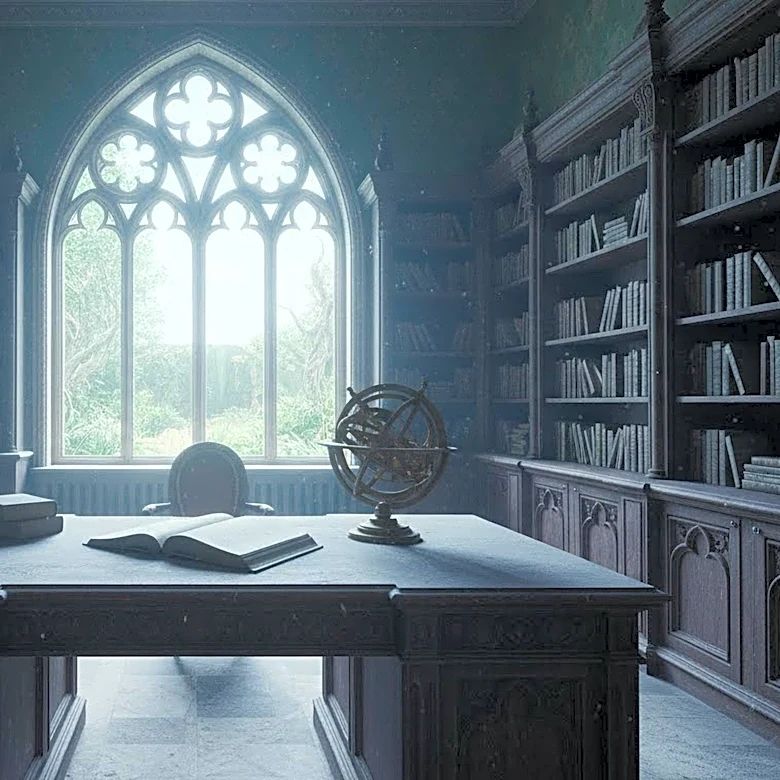
Veteran fans often judge houses on criteria more aligned with theater or film criticism: production design, storytelling, and emotional resonance. A brilliant house tells a story, and it uses its physical space to do so. One of the most revered examples is 2022's Dead Man's Pier: Winter's Wake. While it had its share of scares, fans almost universally praised it for its breathtaking, cinematic quality. Guests walked through a cursed New England fishing village, feeling a cold mist on their skin and witnessing a hauntingly beautiful story of a sea captain's widow luring undead fishermen from the sea. It was described as having a palpable sadness and a level of artistry that was simply awe-inspiring. This is what fans mean by “brilliance.” It's the moment you forget you're in a temporary structure in a theme park and instead feel like you’ve stepped into a tragic, living painting. The scares become punctuation in a powerful narrative sentence, not the whole language.
When Emotion Trumps Terror
Another category of beloved-but-not-brutally-scary houses are those with a strong emotional core. Universal Monsters: The Bride of Frankenstein Lives (2021) is a perfect example. The house reimagined the classic story, framing the Bride not as a monster, but as a protagonist on a desperate, violent quest to resurrect her mate. It refocused the narrative on her agency and her story. While containing vampires and monstrous moments, the house's true power came from its tragic love story. Fans were impressed by the narrative ambition, which created a sense of empathy and investment that pure horror often bypasses. Similarly, houses like Graveyard Games (2019) used a relatable, modern premise—teens disrespecting a cemetery and awakening spirits—to build a story that was as much a dark fable as it was a scare-fest. The house even integrated an interactive element via Facebook Messenger, deepening the lore before guests ever stepped inside.
Recognizing the Creative Swing
Ultimately, the distinction between “scariest” and “best” comes down to appreciating the craft. Fans recognize when the creative team takes a big swing. An original concept, a clever use of puppetry, an elaborate set piece that makes you stop and stare—these are the elements that earn a house a place in the HHN pantheon. The scariest house of the year might be a relentless onslaught of gore and loud noises, like a cinematic slasher. It provides a thrilling, visceral experience that is absolutely valid and fun. But the best house might be the one that sticks with you long after the adrenaline has faded, the one you discuss for its beauty, its cleverness, or the way it made you feel something other than just fear. It’s the difference between a loud summer blockbuster and a film that gets nominated for Best Picture. Both have their place, but die-hard fans will always celebrate the art.