







More Than a Missing Prince
From the moment the film was announced, the filmmakers behind Moana were clear: there would be no romance. For a studio that built an empire on fairy-tale weddings, the decision was a significant narrative pivot. Unlike her predecessors, whose stories
were often set in motion or resolved by a romantic relationship, Moana’s journey was never about finding a partner. This wasn't an oversight; it was a deliberate choice to redefine the stakes. By removing the romantic subplot, Disney freed up an immense amount of narrative real estate, creating space for the film's actual focus: Moana’s quest to find herself. The absence of a love interest wasn’t a hole in the story; it was the foundation for a new kind of Disney epic.
A Journey of Identity and Duty
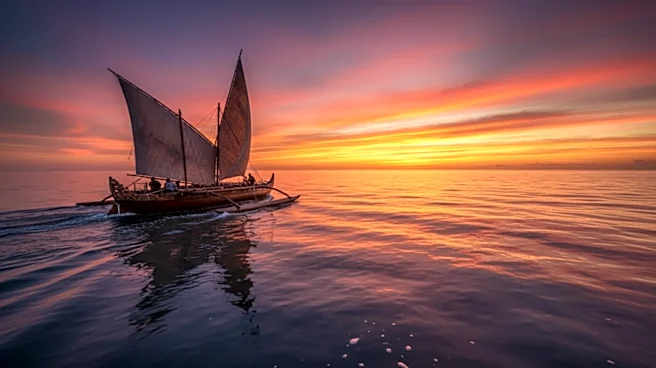
What fills the space usually occupied by courtship and stolen glances? In Moana, it's a rich exploration of identity, leadership, and ancestral responsibility. Her primary conflict isn’t choosing between suitors; it's the internal struggle between her personal desires to explore the ocean and her duty to lead her people on the island. This is a coming-of-age story in the truest sense. Moana’s arc is defined by her relationship with her fiercely protective father, her spiritually wise grandmother, and ultimately, her connection to the ocean itself, which calls her to a higher purpose. Her quest isn't to win a heart, but to restore one—and in doing so, discover the strength that was always within her.
A New Kind of Partnership
The central relationship in the film is between Moana and the demigod Maui, but it’s pointedly platonic. Their dynamic is one of reluctant allies who become genuine friends. They bicker, they challenge each other, and they ultimately help one another heal from past traumas. Maui's journey is about learning his worth beyond his magical hook and the adoration of mortals, a lesson Moana helps him learn. Moana, in turn, learns the practical skills of a master wayfinder from a begrudging mentor. Their bond demonstrates a powerful truth often overlooked in mainstream stories: that a relationship between a man and a woman can be profound, transformative, and central to a plot without ever becoming romantic. It’s a partnership of equals on a shared mission.
Disney's Modern Blueprint
The success of Moana provided a new blueprint. It proved that audiences, especially young girls, were hungry for heroines defined by their courage, intelligence, and sense of purpose. This trend continued in films like Raya and the Last Dragon and was a conscious decision in the 2024 sequel, Moana 2, which once again prioritized Moana's mission to reunite her people over any romantic subplot. The focus remained on her growth as a leader and wayfinder. This narrative choice is Disney’s true secret weapon: the understanding that a heroine’s journey doesn’t require a prince to be complete. By allowing Moana to be the sole author of her own adventure, Disney didn't just create a great character; it redefined what a modern screen hero can be.