




The Polished World of the Concert Film
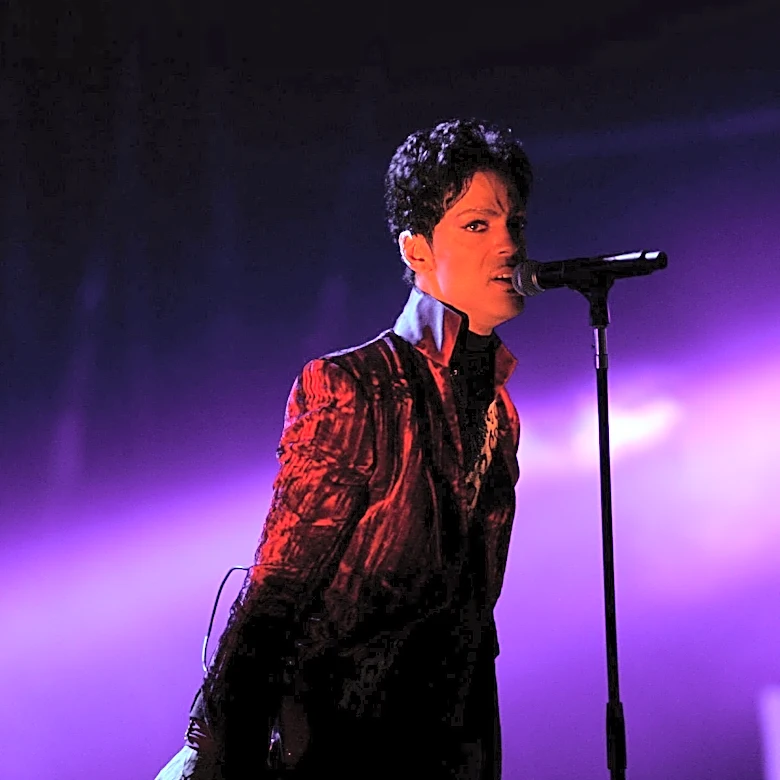
First, let’s define the classic concert film. Think of Prince’s “Sign o’ the Times” or Talking Heads’ “Stop Making Sense.” These are meticulously crafted, cinematic documents. The goal is to create a timeless, definitive statement about the artist at that
moment. Directors often shoot over multiple nights and edit for months, selecting only the most perfect performances and flattering angles. The lighting is theatrical, the sound is mixed to perfection, and the focus is almost entirely on the artist as a larger-than-life figure. It’s a controlled environment designed to produce a polished, artistic artifact. The audience is often a secondary element, a sea of faces used to amplify the artist’s importance. A concert film is a monument.
The Controlled Chaos of a Sports Broadcast
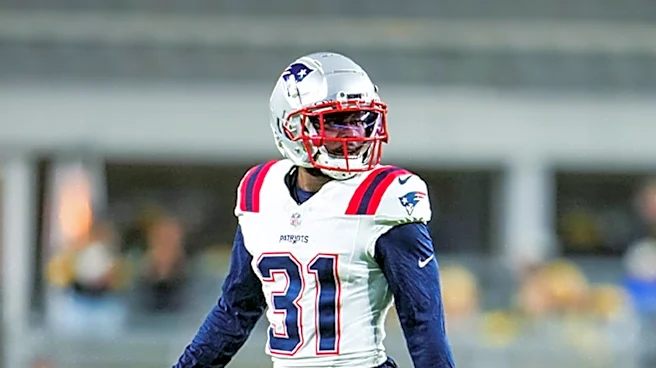
Now, pivot to a live sports broadcast. The director’s job is completely different. They aren’t documenting a planned performance; they are capturing unscripted reality and shaping it into a narrative in real time. The entire production is built around immediacy, context, and managing chaos. You have a play-by-play announcer and a color commentator to explain what’s happening and why it matters. Multiple camera angles cover every possibility, from wide shots showing the entire field of play to tight close-ups on a player's expression. On-screen graphics provide constant updates: the score, the time, player stats. Instant replays break down crucial moments. The broadcast actively tells you a story about rivalries, stakes, and momentum, making the event accessible and compelling even for a casual viewer. It’s a machine designed to translate a sprawling, unpredictable event into a coherent and exciting show.
How Festivals Adopted the Sports Playbook
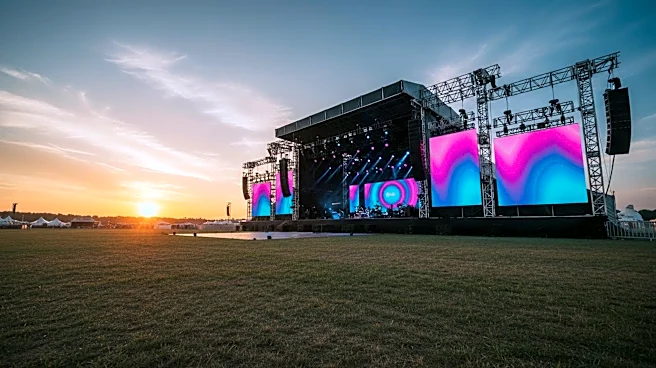
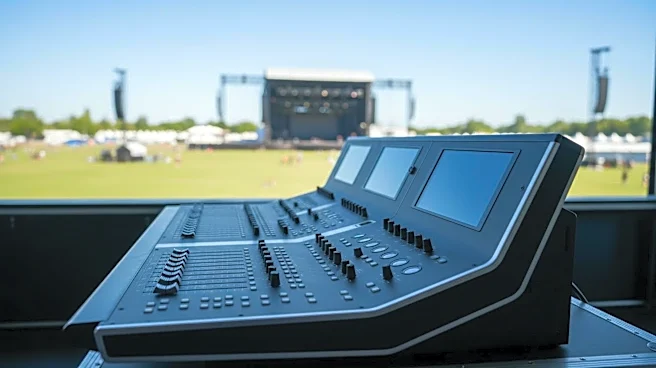
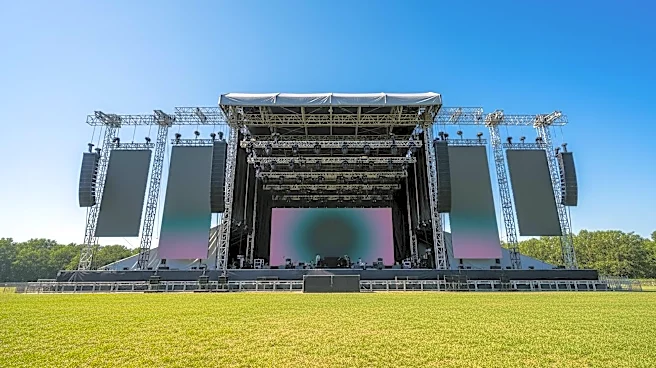
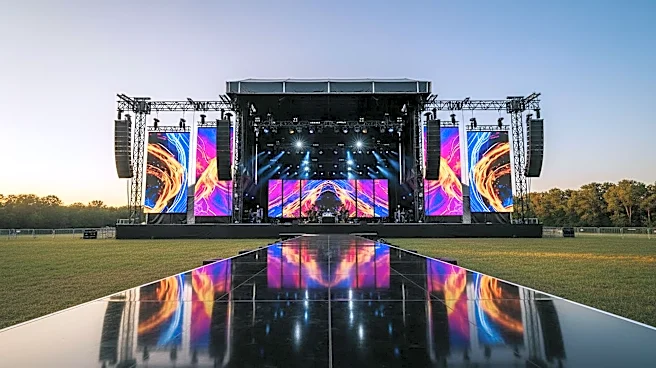
This brings us to the modern festival livestream, like the massive productions for events such as Coachella. Organizers realized that a sprawling, multi-stage festival is much more like a slate of simultaneous games than a single, focused concert. A single-artist concert film approach would completely fail to capture the scale and energy of the event. Instead, they adopted the sports model. Major livestreams now feature a multi-channel setup, allowing viewers to switch between stages like they’re flipping between games. Some broadcasts even offer a multi-view feature, letting you watch up to four stages at once. There are often hosts and pre-recorded segments that provide context, similar to a pre-game show. The on-screen graphics, artist information, and energetic cutting style are all borrowed directly from sports production to manage the information overload and keep viewers engaged.
It’s About the Experience, Not Just the Performance
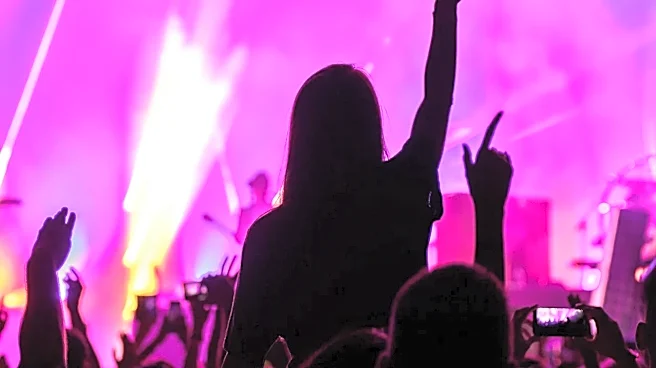
The reason this shift works is philosophical. A festival’s main product isn't just a series of musical performances; it’s the overall experience—the crowds, the art installations, the sense of community, the chaos. A sports-style broadcast is uniquely equipped to capture this. The director in the truck is making play calls, cutting to a wide shot of a massive crowd singing along, then to a close-up of a fan having a moment, then back to the artist. This approach communicates the feeling of being there. It’s about conveying the shared energy and unpredictable moments that define a festival. While some directors are pushing for more cinematic camera work on individual stages, the overall framework remains rooted in the principles of live event coverage developed by sports. The goal is no longer to create a perfect, polished film but to provide an immersive, interactive window into a live cultural moment.