

Ron Howard's 'Apollo 13' is a masterclass in tension, a perfect blend of historical accuracy, human drama, and 'how-do-they-get-out-of-this' suspense. For fans of smart people solving impossible problems, here are four directors who deliver that same
feeling.
Christopher Nolan: The Architect of Scale and Stakes
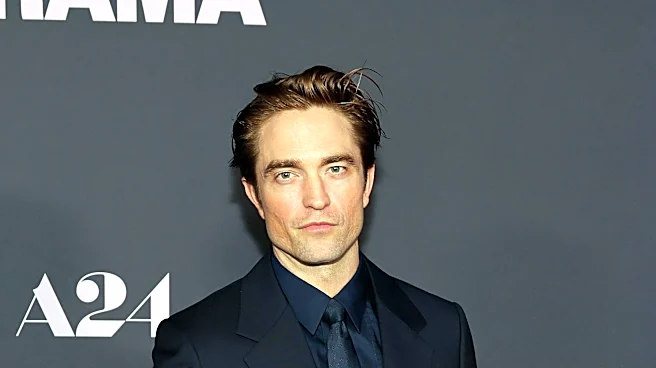
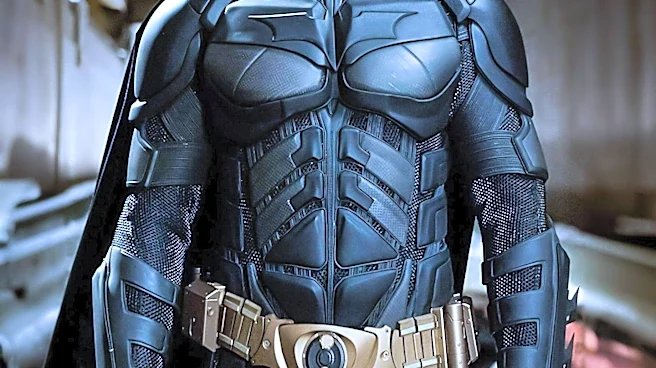
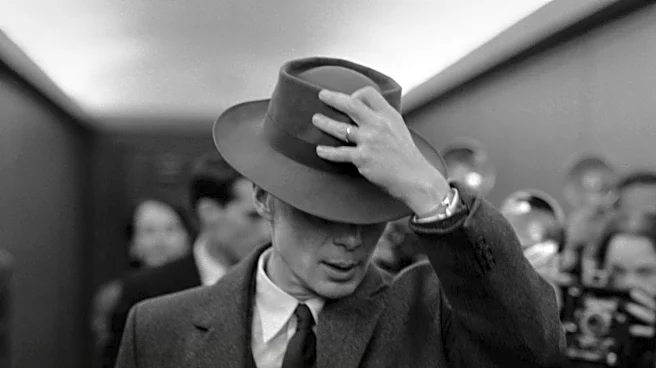
If 'Apollo 13' is about the terrifying physics of a mission gone wrong, Christopher Nolan’s films are about the terrifying physics of reality itself. Nolan is the modern master of large-scale, high-concept filmmaking where the stakes are quite literally astronomical. Look no further than 'Interstellar,' a film that, like 'Apollo 13,' grounds its cosmic journey in the powerful human emotion of wanting to get home. Nolan’s commitment to practical effects and scientific concepts—even when they bend the mind—creates a tangible, visceral experience. Even his historical epic 'Dunkirk' shares DNA with Ron Howard's classic; it’s a story of survival against the odds, told from multiple perspectives with a relentless, clock-ticking structure that prioritizes experience and suspense over extensive dialogue. For Nolan, the spectacle serves the story, creating an immersive, awe-inspiring, and often nerve-wracking ride.
Denis Villeneuve: The Master of Cerebral Suspense
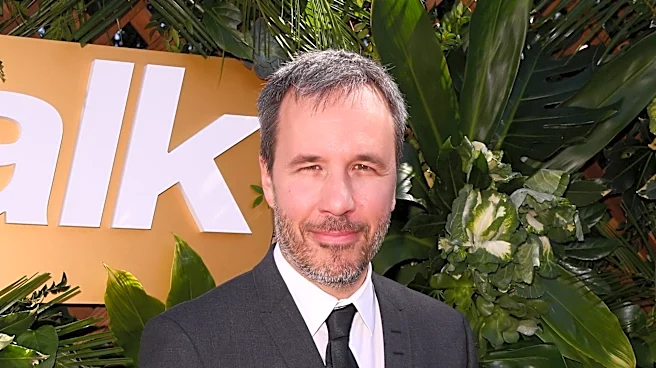
What made 'Apollo 13' so gripping wasn't just the danger, but the process. It was watching brilliant minds collaborate to solve a life-or-death puzzle. This is the core of Denis Villeneuve's 'Arrival.' The film trades outer space for inner space, focusing on a linguist (Amy Adams) tasked with deciphering an alien language to avert global disaster. Villeneuve is a patient storyteller, building tension not with explosions but with atmosphere, silence, and slow-burn reveals. He makes big, philosophical ideas feel intensely personal and suspenseful. His style is less about the frantic energy of Mission Control and more about the quiet, world-changing intensity of a single breakthrough. Like Howard, Villeneuve trusts his audience to be intelligent, immersing them in a complex problem and letting the intellectual drama provide the thrills.
Damien Chazelle: The Poet of Personal Cost
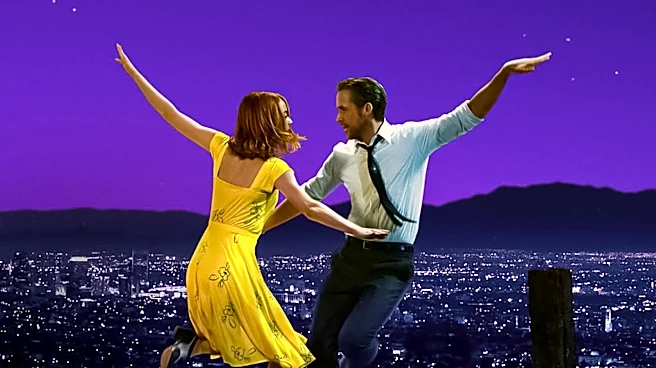
No director provides a more direct successor to 'Apollo 13' than Damien Chazelle with 'First Man.' While Howard focused on a mission that almost ended in tragedy, Chazelle explores the immense personal and psychological toll that led to humanity’s greatest triumph: the moon landing. 'First Man' is visceral and claustrophobic, using bone-rattling sound design and tight, cockpit-level camerawork to convey the brutal reality of early spaceflight. Where 'Apollo 13' captured the camaraderie and can-do spirit, 'First Man' delves into the quiet isolation and sacrifice of Neil Armstrong, showing the man behind the icon. Chazelle proved he could capture the same era of American ingenuity and peril, but through a more intimate, character-focused lens, making it the perfect companion piece.
James Mangold: The Craftsman of Character Under Pressure
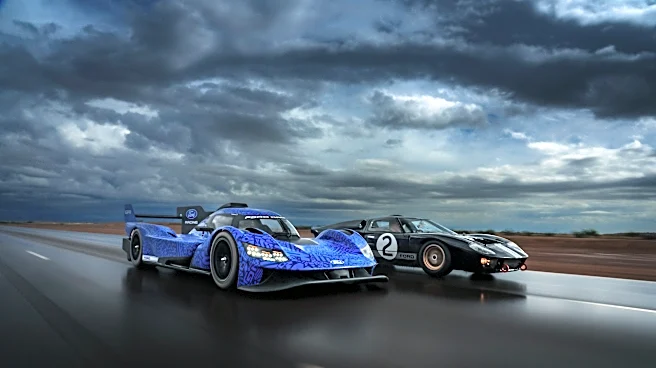
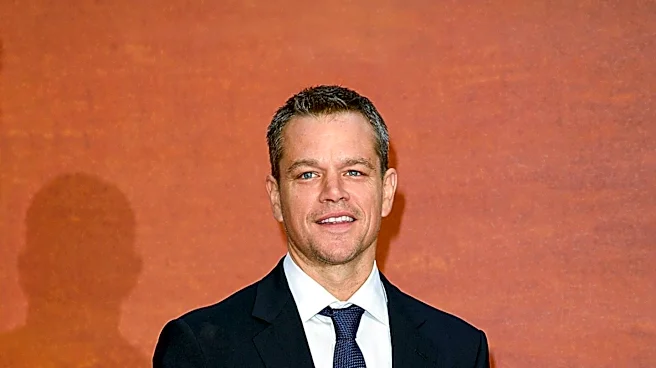
At its heart, 'Apollo 13' is a story about brilliant professionals doing their jobs under extreme duress. That’s a theme James Mangold has perfected. His film 'Ford v Ferrari' is the ultimate earthbound 'Apollo 13.' It’s a true story about a team of engineers and a maverick driver, led by Carroll Shelby (Matt Damon) and Ken Miles (Christian Bale), pushing the limits of technology and corporate bureaucracy to achieve the impossible. Mangold shares Ron Howard's knack for classic, character-driven storytelling. He excels at showing the nuts-and-bolts process—the arguments, the greasy hands, the ingenious workarounds—that lead to victory. The racing scenes are thrilling, but the film's real engine is the dynamic between two stubborn geniuses fighting the clock and the establishment. It’s a story of ingenuity, friendship, and the relentless pursuit of excellence—the very same elements that made us fall in love with 'Apollo 13'.