




The Era of the Silent Goodbye
First, let's talk about the modern season finale. In 2026, television is a solo activity. With streaming accounting for nearly half of all TV viewing, the days of a nation gathering at the same time to watch a story end are largely over. By May 2025,
streaming's share of television usage had already eclipsed that of broadcast and cable combined. We consume our favorite shows on our own schedules, binging over a weekend or rationing episodes over weeks. The finale of a major streaming hit might dominate online chatter for a few days, but it lands as a million separate ripples, not one massive wave. There's no shared starting gun, no collective gasp. This fragmentation has quietly robbed the season finale of its power as a communal event, turning what used to be a cultural touchstone into a personal checklist item.
Manufacturing a Watercooler Moment
Cable networks, which now command only about a fifth of total TV viewership, understand this new reality. They can't compete with the sheer volume of streaming platforms, but they can compete on event-driven spectacle. A reunion special is the perfect weapon. It’s a pre-packaged, high-impact cultural moment that demands to be watched live. By scheduling a single premiere night—a throwback to an older way of watching—networks create an artificial scarcity that the on-demand world has eliminated. This transforms the reunion from just another piece of content into a shared experience. It’s a deliberate strategy to recapture the “watercooler” effect, where the fear of missing out and the desire to be part of the immediate conversation drive millions to tune in simultaneously.
More Than a Story—A Story About Time
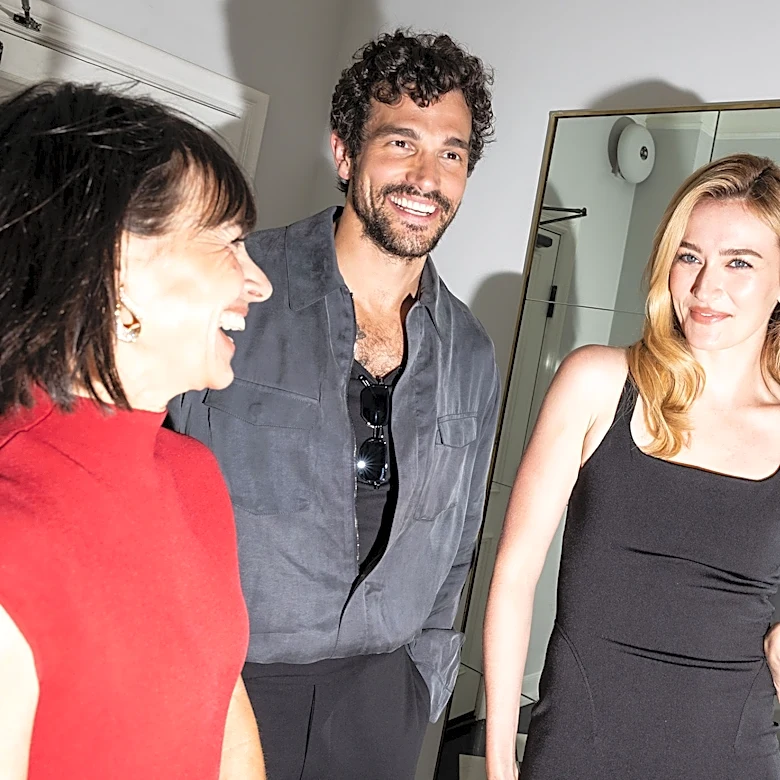
Here is the truly overlooked reason these reunions hit so hard: a season finale concludes a work of fiction. A reunion tells a story about reality. When we watch a cast reunite after 15 or 20 years, we aren't just getting an update on fictional characters. We are witnessing the undeniable, unscripted passage of time. We see the actors who have aged alongside us, their real-life journeys layered on top of the characters they played. The reunion’s narrative isn’t about what happened to the characters; it’s a meta-narrative about what happened to the people, and by extension, what happened to us since we last saw them. This resonates on a much deeper, more existential level. It’s not just a story; it’s a poignant documentary about our own lives, our own memories, and the people we were when we first fell in love with the show. Psychology tells us this connection to our past selves provides a unique emotional comfort and a sense of meaning that fiction alone struggles to match.
The Business of Looking Back
For cable networks fighting for relevance, the reunion is a brilliant business proposition. It leverages existing intellectual property with a built-in, emotionally invested audience. Marketing is simpler and more effective than launching a risky new series into a saturated market. These specials serve as programming tentpoles that can generate a massive, short-term spike in viewership and social media buzz, reminding audiences that linear television can still deliver unmissable events. It’s a symbiotic relationship: we get the profound, bittersweet hit of nostalgia, and the network gets a much-needed jolt of cultural relevance. While a finale closes a chapter, a reunion reminds us of the whole book, prompting a new wave of viewers to discover the original series on streaming, a phenomenon sometimes called the "Netflix Effect."