





The Flaw in Traditional Closet Organization
Most closets are organized by category: all shirts together, all pants in another section, and dresses lined up in a row. This looks tidy, but it creates mental work every single morning. Your brain is forced to act as a matchmaker, scanning disparate
sections to assemble a complete outfit. This is the primary cause of 'decision fatigue' when getting dressed. Organizing by clothing type is based on storage logic, not dressing logic. The functional audit flips this script. Instead of asking 'What type of item is this?', you'll start asking, 'When would I wear this?'. The goal is to transform your closet from a puzzle you have to solve daily into a menu of ready-to-go options.
Step 1: Define Your Real-Life Functions
Before touching a single hanger, map out your life. Grab a notebook and list the actual occasions you dress for in a typical month. Be honest and specific. Your categories might look something like this: 'Work From Home,' 'In-Office Days,' 'Weekend Errands,' 'Evening Dinners,' 'Formal Events,' 'Workouts,' and 'Lounging.' Most people find their life sorts into five to seven core functions. This initial step is crucial because it prevents you from keeping clothes for a life you no longer lead. If you spend 80% of your time in casual or work-from-home settings, but 50% of your closet is dedicated to formal wear, you've found the source of your frustration.
Step 2: Pull Everything Out and Sort by Function
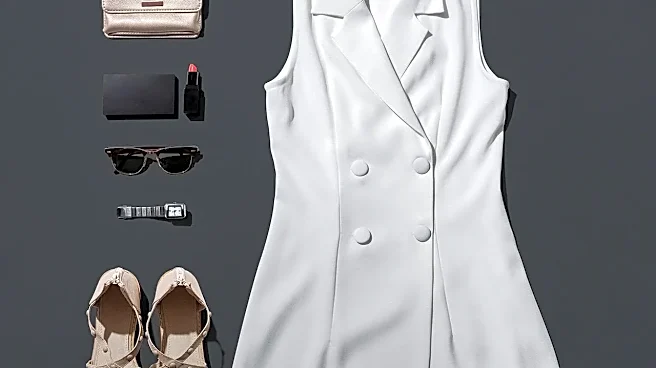
This is the most intimidating but essential part of the process. To get a true sense of what you own, you must empty the closet completely. Place every piece of clothing, including shoes and accessories, onto your bed or a spare rack. Once everything is out, resist the urge to create the familiar 'shirt pile' or 'pants pile.' Instead, start sorting every single item into the lifestyle functions you just defined. That cocktail dress goes in the 'Formal Events' pile, your favorite jeans go into 'Weekend Errands,' and your go-to blazer goes into 'In-Office Days.' This is where you’ll start to see imbalances. You might find your 'Workout' pile is overflowing while your 'In-Office' pile is looking sparse.
Step 3: Build and Evaluate Outfits Within Each Function
Now, work through one functional pile at a time. The goal is to build complete, wearable outfits. Pick up a pair of trousers from your 'In-Office' pile and find at least three tops and a layering piece that work with it. This is the audit: if you can't build a full outfit around a piece, it doesn't serve its function effectively. As you create successful outfits, you can start making decisions. This process quickly reveals both your true workhorses and the 'wardrobe orphans'—those items you love but that don't actually pair with anything you own. It also highlights the real gaps in your wardrobe, making future shopping trips strategic rather than impulsive.
Step 4: The Four-Pile Edit and Reorganization
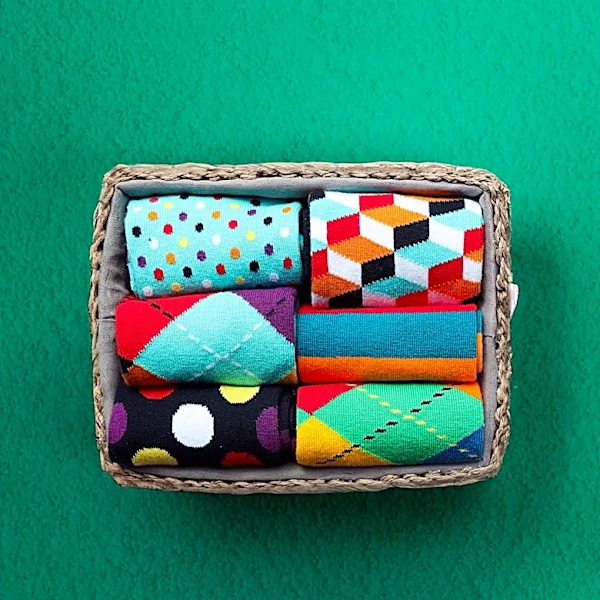
As you evaluate each item, sort them into four final piles: Keep, Tailor, Donate/Sell, and Maybe. The 'Keep' pile consists of items that successfully formed outfits and fit your functions. The 'Tailor' pile is for great pieces that just need a small adjustment to be perfect. 'Donate/Sell' is for anything that no longer fits, is in poor condition, or doesn't align with your lifestyle. The 'Maybe' pile is for sentimental items or pieces you’re not ready to part with; box these up and store them outside the main closet for six months. Finally, put the 'Keep' items back, but this time, group them by function. All your 'Work' outfits hang together, all 'Weekend' clothes are in another section, and so on. Within each function, you can then organize by color for easy visibility.