







A Rivalry Renewed on the Biggest Stage
When Argentina and the Netherlands met at Lusail Stadium, it wasn't just another knockout game; it was the continuation of a tense World Cup rivalry. They had faced off in the 1978 final, the 1998 quarter-finals, and a goalless semi-final in 2014 that
Argentina won on penalties. The buildup to the 2022 clash was spicy, with Dutch coach Louis van Gaal suggesting Lionel Messi was a potential weak link for Argentina when his team had possession. This set the stage for a match that was about more than just advancing to the semi-finals; it was personal.
The Man in the Middle
The referee for the match was Spain's Antonio Mateu Lahoz, an official known for his talkative, quirky, and card-heavy style. Even before the game, there was a sense that his presence could be a major factor. Argentine players, including Messi, later said they were "afraid" before the match, knowing Lahoz's reputation. Lahoz was not a referee who stayed in the background; he often became part of the performance, and in this match, he would take center stage.
From Tactical Battle to Total Anarchy
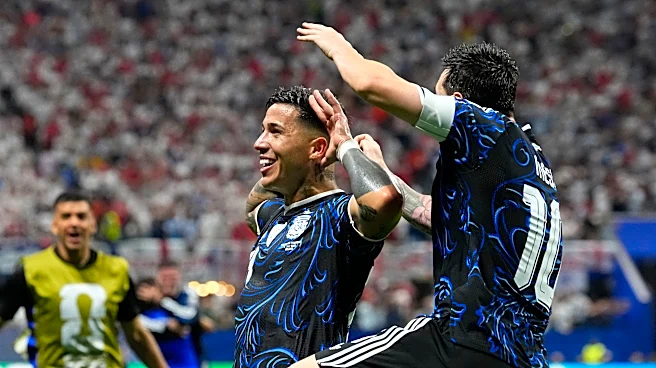
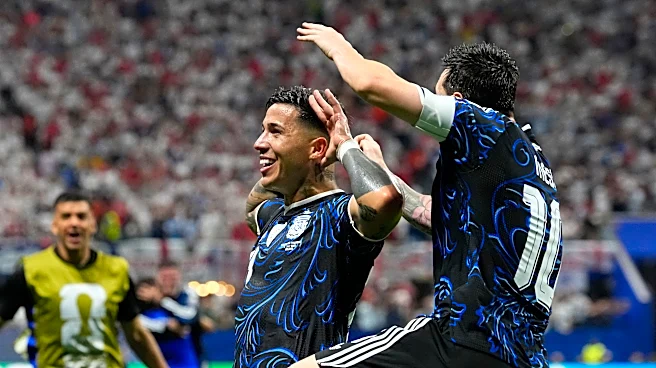
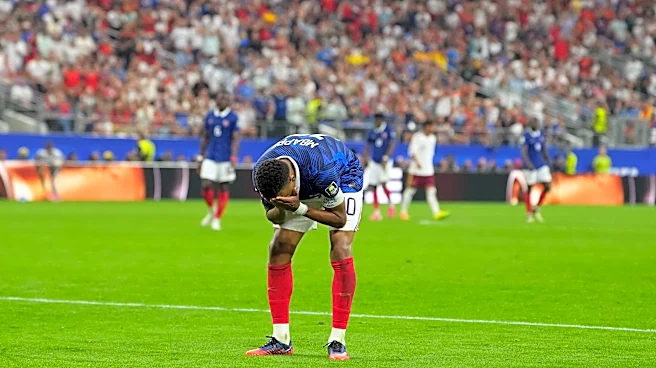
For over an hour, the game was a tense, tactical affair. Argentina took the lead through Nahuel Molina, thanks to a magical assist from Messi. They looked to have sealed it when Messi himself converted a penalty in the 73rd minute to make it 2-0. But as the clock ticked down, the match's discipline completely disintegrated. The Dutch, desperate to get back in the game, escalated their physicality. The turning point came in the 88th minute when Argentina's Leandro Paredes committed a hard foul and then inexplicably blasted the ball directly into the Dutch bench, triggering a massive on-field brawl involving players and substitutes from both sides.
A Record-Breaking Flurry of Cards
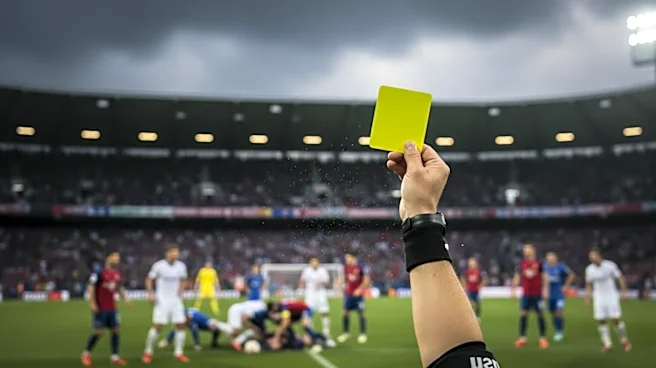
From that moment on, Lahoz lost control. He issued a FIFA World Cup record 18 yellow cards, plus one red card after the final whistle. Cards were shown to players on the field, substitutes on the bench, and even Argentina's manager, Lionel Scaloni. Amid the chaos, Dutch substitute Wout Weghorst scored in the 83rd minute. Then, in the 11th minute of stoppage time—a period Argentina's players felt was excessively long—Weghorst scored again from a cleverly worked free-kick to send the game to extra time.
The Aftermath and an Infamous Legacy
After a scoreless extra time, the game went to penalties. Argentina's goalkeeper, Emiliano Martínez, became the hero, saving the first two Dutch penalties to help secure a 4-3 shootout victory for his nation. The win was a pivotal moment in Argentina's eventual World Cup triumph. In the aftermath, players from both sides heavily criticized the referee. Messi famously stated that FIFA could not use a referee who "isn't up to the task" for a match of such importance. Lahoz did not officiate another game in the tournament. The match became instantly known as the "Battle of Lusail," a game remembered less for its tactics and more for its unprecedented level of hostility and controversy.