




The Undertone Equation
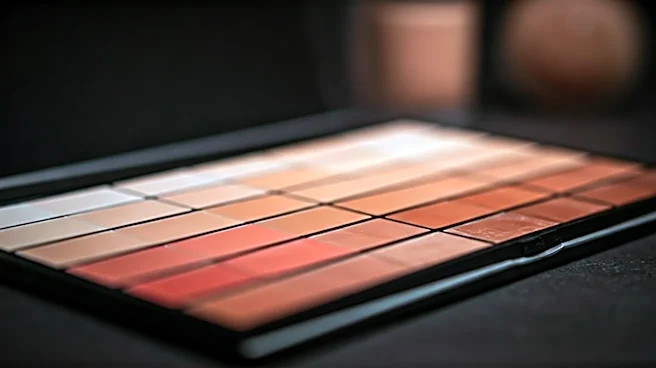
The first and most crucial step is understanding undertones. For deeper complexions, this isn't just about 'warm' or 'cool.' It's a nuanced spectrum of red, golden, olive, and neutral hues that determine whether a foundation looks like a second skin or an obvious
mask. Using a foundation that clashes with a person's natural undertone can result in an ashy, gray, or unnaturally orange appearance. Artists often mix multiple shades to create a custom blend that perfectly matches the face, neck, and chest, ensuring a seamless transition. This isn't just color-matching; it's a deep understanding of how melanin interacts with pigment, ensuring the skin’s natural dimension shines through.
Dodging the Dreaded Flashback
Red carpet glamour faces one mortal enemy: flash photography. The dreaded 'flashback'—that ghostly white or gray cast that can appear in photos—is a major concern for makeup artists. This phenomenon is often caused by light-reflecting ingredients like silica, zinc oxide, and titanium dioxide, commonly found in HD powders and some sunscreens. [1, 3] To combat this, artists are extremely selective. They often opt for finely-milled, tinted setting powders rather than stark white translucent ones, and they apply them strategically. [2] Instead of heavily 'baking' under the eyes, many artists now prefer to press powder into the skin with a puff or a damp sponge, which sets the makeup without leaving a thick, light-reflecting layer. A final mist of a quality setting spray can also help melt the powders into the skin for a more natural finish. [6]
Celebrating, Not Covering, Melanin
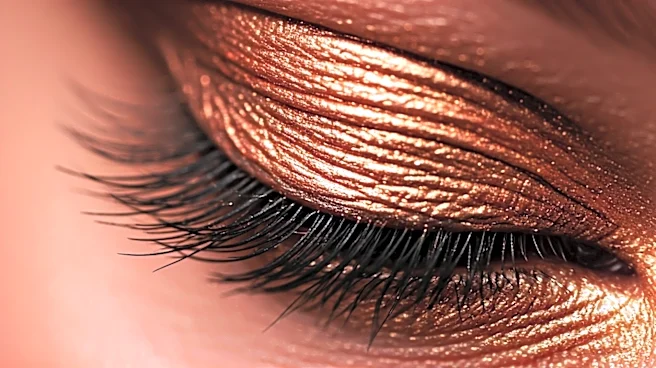
Modern red carpet makeup for deep skin isn't about masking imperfections; it's about celebrating the skin's inherent beauty. The goal is to enhance, not cover. This 'skin-first' approach has become a major trend in 2026. [11] Artists are increasingly using lightweight, luminous, and often cream-based products that allow the skin's natural texture to show. For contour and highlight, the strategy is all about dimension. Instead of shimmery, frosty highlighters that can look stark on deep skin, artists use warm, golden, and bronze tones to create a 'lit-from-within' glow. It's about sculpting with light and shadow in a way that feels authentic to the individual's features, creating a radiant finish that looks just as stunning in person as it does on camera.
The 2026 Red Carpet in Action
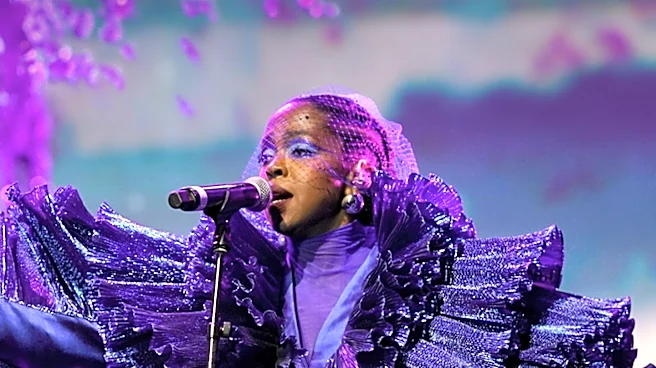
At the 2026 BET Awards, this artistry was on full display. The event celebrates Black culture, and that ethos extends to the beauty on the carpet. [8, 14] We saw a continuation of the warm, neutral makeup trend, emphasizing earthy tones that bring out the richness of the complexion. [13] Many stars, like Teyana Taylor who was honored with the Icon of the Year Award, showcased this masterfully, sporting looks that felt both glamorous and deeply personal. [10] Makeup artists for presenters like Kelly Rowland and Chlöe Bailey clearly focused on creating a healthy, dewy skin finish, often paired with a bold eye or lip to keep the look modern and exciting. [10] It’s this balance—the technical skill to avoid pitfalls like flashback combined with the artistic vision to celebrate individuality—that makes the BET Awards a constant source of beauty inspiration. [8]