




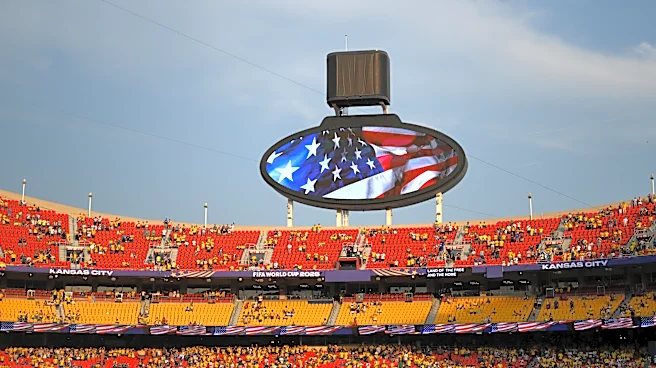


The Pitch as a Public Square
In an increasingly fragmented world, a high-stakes international soccer match offers something rare: a singular focal point for an entire country. For 90 minutes, tens of millions of people share the same hope, the same tension, and the same emotional
investment. This shared experience creates a powerful sense of community and belonging. According to social identity theory, people derive self-esteem from group membership, and cheering for a national team provides a clear 'us versus them' dynamic that strengthens collective bonds. The game becomes a temporary public square where national identity is performed and reinforced, allowing citizens to feel part of something larger than themselves. It's a moment when the abstract idea of 'the nation' becomes a tangible, emotional reality.
Reliving History, Safely
Many of the world’s most intense soccer rivalries are soaked in history that extends far beyond the field. The frequent clashes between England and Germany, for example, are layered with the cultural memory of 20th-century conflicts. While players and officials rightly downplay this, for fans, the match can become a symbolic arena to process historical tensions. The rivalry between the Netherlands and Germany is similarly charged, stemming from World War II. These games provide a controlled environment—a simulation, of sorts—where historical grievances can be channeled into sporting competition. It’s a way to confront the past without the real-world consequences, offering a form of catharsis that is both potent and contained within the final whistle.
A Mirror for National Narratives
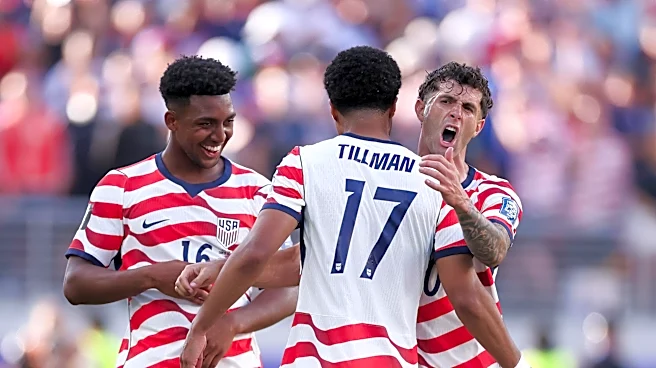
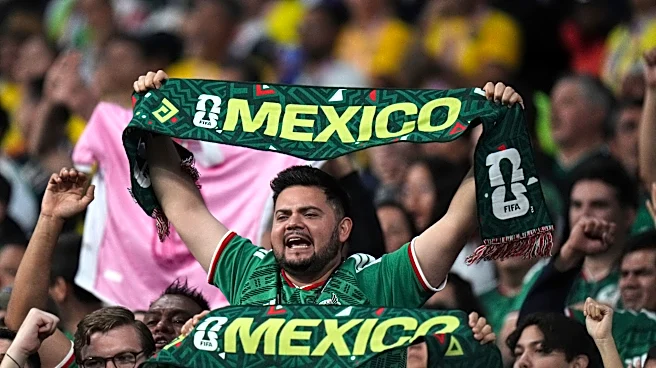
International rivalries often act as a mirror, reflecting how nations see themselves and their place in the world. The 'Superclassic of the Americas' between Argentina and Brazil is a prime example, a contest often framed as a battle for continental footballing soul and creative supremacy. Both nations have produced some of the greatest players in history, and a victory is seen as an affirmation of their country's unique footballing philosophy. Similarly, the U.S.-Mexico rivalry is shaped by proximity, politics, and a fight for regional dominance. For decades, Mexico was the undisputed king of the region, making the U.S. rise in the 2000s a direct challenge to that identity. Winning isn't just about advancing in a tournament; it’s about validating a national narrative.
The Joy of Collective Catharsis
Ultimately, the therapeutic power of these rivalries lies in pure, unadulterated emotional release. The highs of a victory against a rival trigger a greater dopamine response in the brain than a win against a neutral opponent. That feeling of collective euphoria—strangers hugging in the streets, car horns blaring in unison—is a powerful release valve for the pressures of modern life. It’s a shared joy that washes over a country, offering a moment of uncomplicated unity. Even defeat brings a form of therapy. The shared agony and public mourning that follow a heartbreaking loss create solidarity in disappointment, reinforcing the idea that 'we' are all in this together. These emotional peaks and valleys are the essence of the experience, a dramatic arc that keeps millions coming back for more.