


The Art of 'Sprezzatura'
To understand Milanese style, you first need to know one crucial Italian word: *sprezzatura*. Coined in the 16th century by Baldassare Castiglione in *The Book of the Courtier*, it describes a certain nonchalance, an ability to make difficult things look
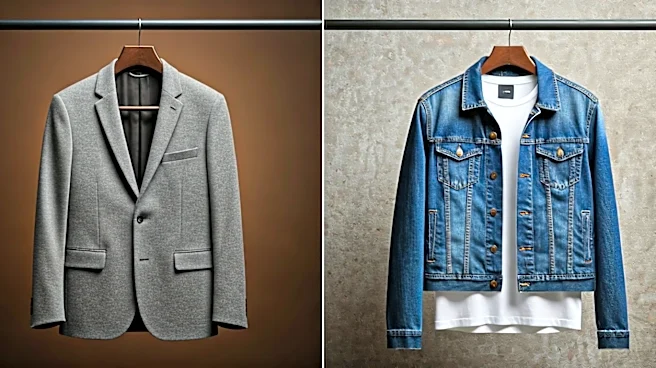
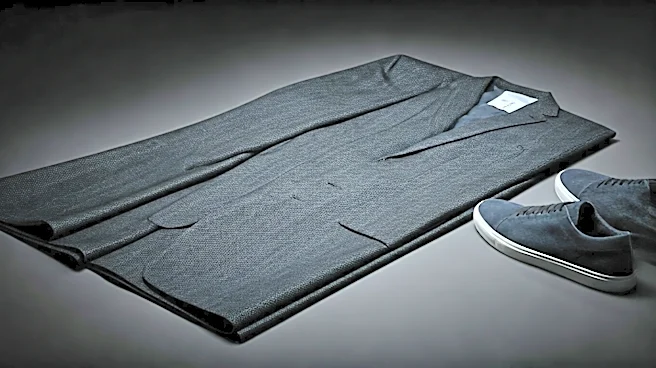
easy. In fashion, it’s the art of looking put-together without appearing to have tried at all. It’s the opposite of looking like you spent three hours getting ready. Think of it as curated imperfection. It’s a beautifully tailored blazer paired with slightly worn-in sneakers, or an expensive watch worn casually over a shirt cuff. This isn't about being sloppy; it’s about a deep confidence that allows you to intentionally break a small rule to show you’re not a slave to them.
Invest in Quality, Not Quantity
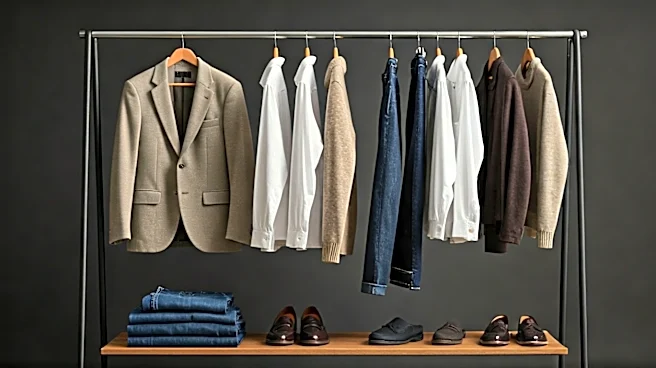
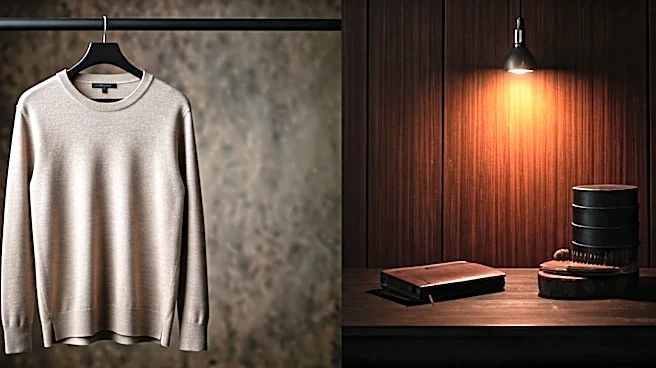
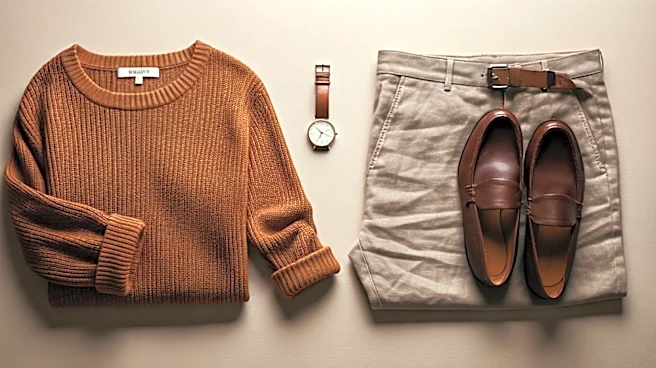
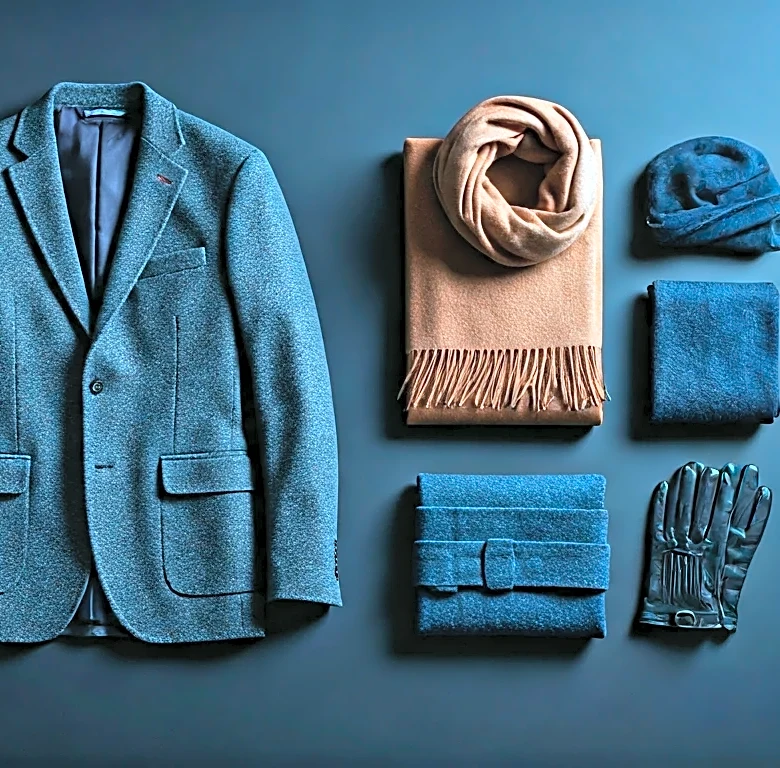
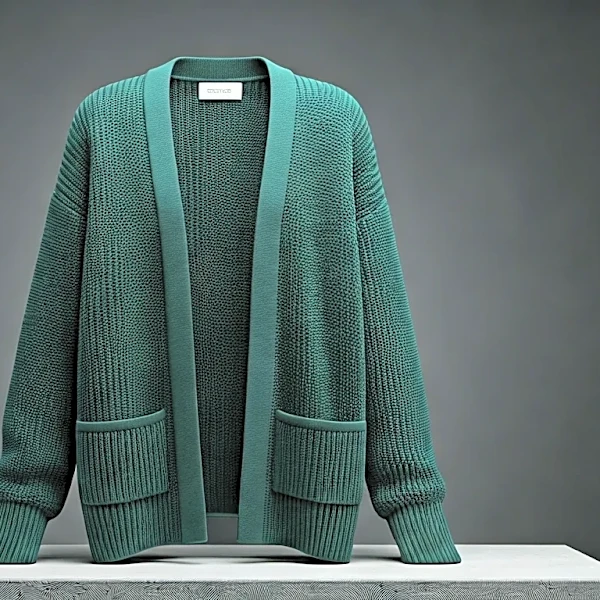
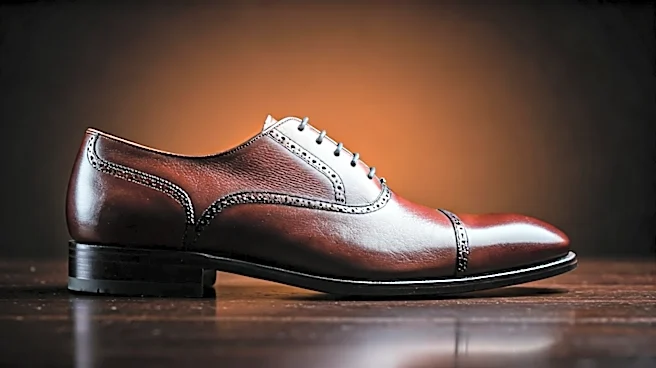
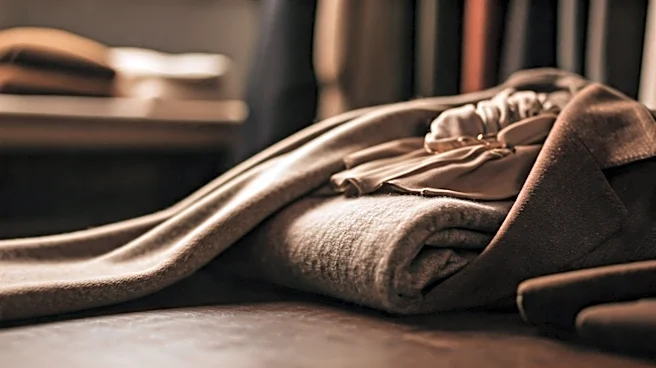
The foundation of this effortless look is an unwavering commitment to quality. Milanese style is built on a bedrock of luxurious, touchable fabrics and impeccable construction. Instead of a closet overflowing with fast fashion, the focus is on fewer, better things. A perfect cashmere sweater, a well-cut wool coat, a pair of leather loafers that mold to your feet over time—these are the heroes of the wardrobe. This approach means your clothes wear in, not out. A slight patina on a leather bag or the soft drape of a well-loved linen shirt contributes to the effortless vibe. It communicates a personal history with your clothes, rather than a frantic attempt to keep up with fleeting trends. The goal is to build a uniform of timeless, high-quality pieces that you can rely on for years.
Master a Neutral, Cohesive Palette
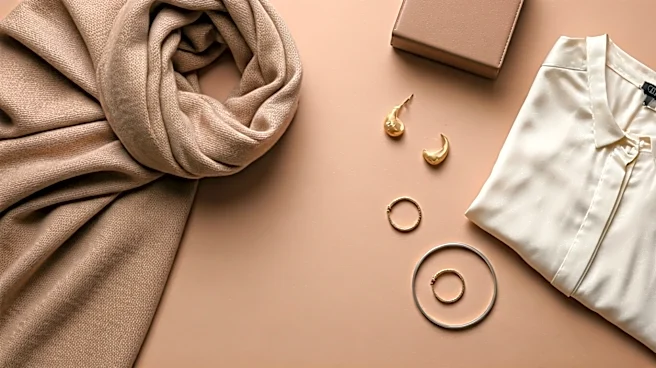
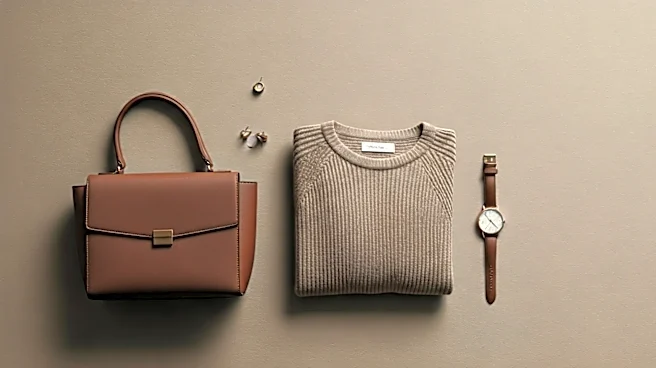
Walk the streets of Milan’s Quadrilatero della moda and you won’t see a riot of clashing neons. Instead, you'll find a symphony of sophisticated neutrals: camel, beige, navy, charcoal, cream, and black. This restrained color palette is the key to making everything look cohesive and expensive. When your core pieces are in this family of colors, getting dressed becomes simpler. Everything goes with everything else, allowing for easy combinations that always look intentional. A pop of color is used sparingly and with purpose—a brightly colored sock peeking from a trouser leg, a vibrant silk scarf, or a single piece of statement jewelry. This restraint makes the singular splash of color feel more powerful and personal, not like a desperate cry for attention.
Find Your Perfect Imperfection
This is where *sprezzatura* truly comes to life. Once you have the foundation of quality pieces in a neutral palette, the final touch is to introduce a single, deliberate flaw. This is the element that signals you’re relaxed and in control. It could be leaving the bottom button of your waistcoat undone, rolling your sleeves with a bit of artful messiness, or tucking in only the front of your shirt. Maybe you leave the “keeper” loops on your belt undone, or wear your crisp shirt with the collar slightly askew. These small gestures disrupt the perfection and inject personality. The key is that it must feel authentic to you. It’s a signature move, not a manufactured quirk. It’s the wink that says, “Yes, I know the rules, and I’m choosing to bend one.”
Prioritize Fit Above All Else
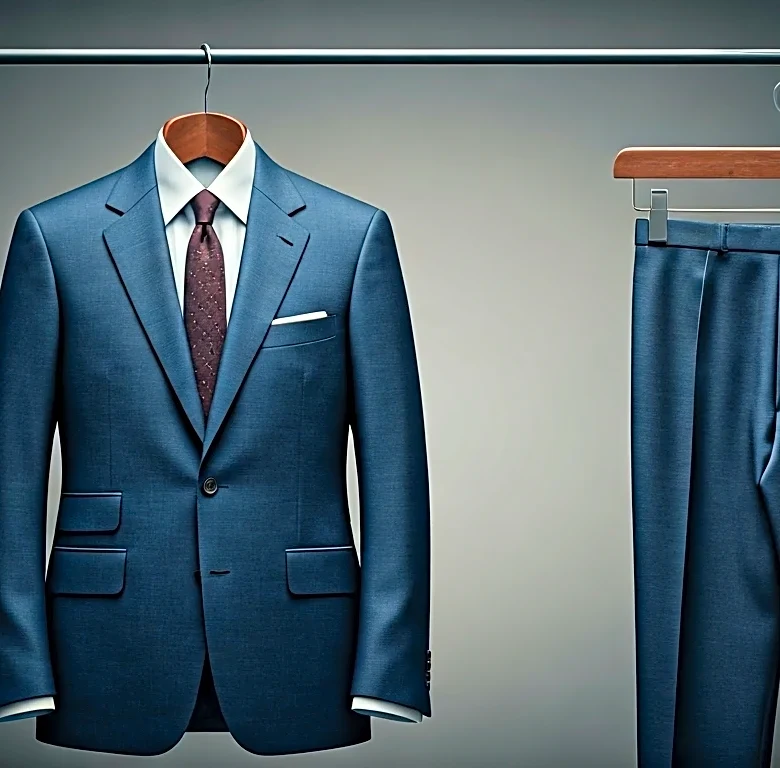
Effortless style is impossible without an excellent fit. This doesn’t necessarily mean tight or skinny. In Milan, it means clothes that respect the body's silhouette, whether it’s a structured shoulder on a jacket or the perfect break on a pair of trousers. The Italians are masters of tailoring, and that sensibility extends even to casualwear. A simple t-shirt and jeans can look incredibly chic if the t-shirt drapes just right and the jeans are the perfect length. Nothing should look like it’s pulling, pinching, or drowning you. Investing in a good tailor is non-negotiable. Taking a high-quality but ill-fitting garment and having it altered to your body is one of the most effective ways to elevate your entire look from standard to sophisticated.