







The Obvious First Step: A Visual Check
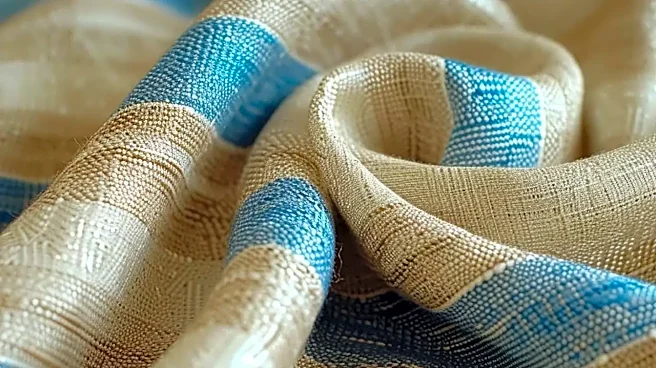
The most straightforward way to judge a mesh fabric is to simply look at it. True breathable mesh has an open-hole structure, meaning you can see a pattern of tiny, evenly spaced gaps. Hold the fabric up to a light source; the more light that passes through,
the more open the structure and the better the airflow will be. However, don't be fooled by looks alone. Some fabrics have a printed mesh pattern but are actually a solid, non-breathable textile. The key is to look for genuine openings in the fabric's knit or weave. These perforations are what allow air to circulate freely, helping to keep you cool.
The All-Important Touch Test
Your sense of touch is a powerful tool. A good quality, breathable mesh, particularly those made for activewear, will often feel lightweight and cool against the skin. Most high-performance meshes are made from synthetic fibers like polyester or nylon. These materials are engineered to be lightweight and smooth. Run the fabric between your fingers. Does it feel light and airy, or heavy and dense? Lightweight meshes are generally more breathable and better suited for sports jerseys or summer apparel. A heavier mesh might offer more structure but will likely trap more heat.
Know Your Fibers: Synthetics Rule Airflow
While cotton is soft, it absorbs moisture and can become heavy and clammy when you sweat. For true breathability and performance, synthetic fibers are king. Polyester is the star player in the world of athletic mesh because it's exceptionally lightweight and excels at wicking moisture away from the body instead of absorbing it. Nylon is another common choice, valued for its strength and durability, making it great for things like backpack pockets or paneling on jackets. When you check the tag, seeing polyester or nylon as the primary material is a strong indicator that the mesh is designed for performance and airflow.
Examine the Structure, Not Just the Holes
Not all mesh is created equal. The way the yarns are knitted or woven together dramatically affects its performance. Experts look at the knit pattern. A looser, more open knit enhances ventilation, making it ideal for high-sweat activities. A tighter weave offers more support and durability but less airflow. Some advanced garments even use “engineered mesh,” where different knit patterns are used on the same piece of clothing. For instance, a running shirt might have a more open mesh on the back and underarms for maximum ventilation while using a slightly denser mesh on the front for coverage.
Consider the Stretch Factor
Many modern mesh fabrics, especially those used in leggings and fitted tops, include spandex (also known as Lycra or elastane) in the blend for 4-way stretch. While this adds comfort and allows for a full range of motion, the percentage of spandex matters. A fabric with a very high spandex content, like a compression power mesh, will have a denser knit to provide support, which can slightly reduce airflow compared to a lightweight, non-stretch mesh. For everyday comfort and general activity, a blend with 5-15% spandex typically offers a great balance of flexibility and breathability.
Look Beyond the Fabric to Garment Design
Finally, a true expert considers the entire garment, not just the primary material. Even a less breathable main fabric can be made comfortable with smart design. Look for apparel that strategically places mesh panels in high-sweat zones, such as the back, under the arms, or along the sides of leggings. These ventilation zones are a hallmark of thoughtfully designed activewear. Sometimes, you'll even see laser-cut perforations or built-in air vents, which serve the same purpose: to increase airflow where your body needs it most.