





The Blueprint vs. The Building Material
Think of a dress's silhouette as its blueprint—the fundamental shape that defines it. It could be a classic A-line, a sleek column, or a dramatic mermaid cut. That structure is essential, but it’s only half the story. The fabric is the building material,
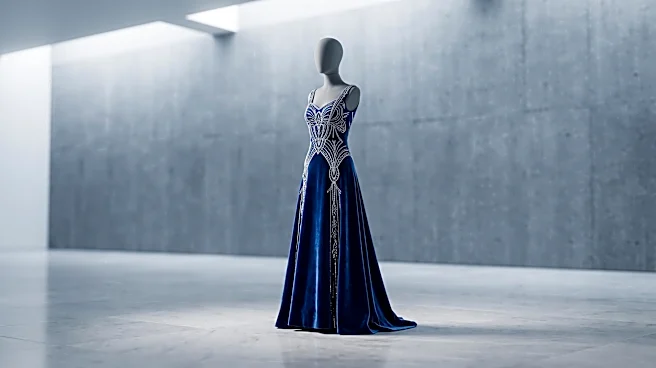
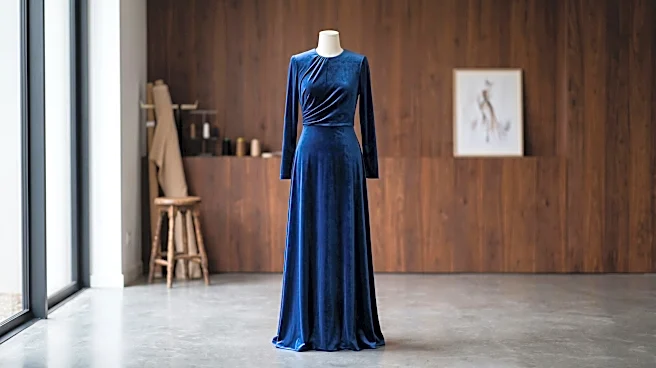
and it determines the garment's entire personality. Is the look soft and romantic, or sharp and architectural? Is it exuding old Hollywood glamour or modern, minimalist cool? The answer almost always comes down to the textile. Two gowns can share the exact same pattern, but if one is crafted from liquid silk and the other from plush velvet, they will tell two completely different stories on the red carpet. This is the unsung magic of couture: understanding that the feel of a garment is just as important as its form.
Case Study: The Power of Light
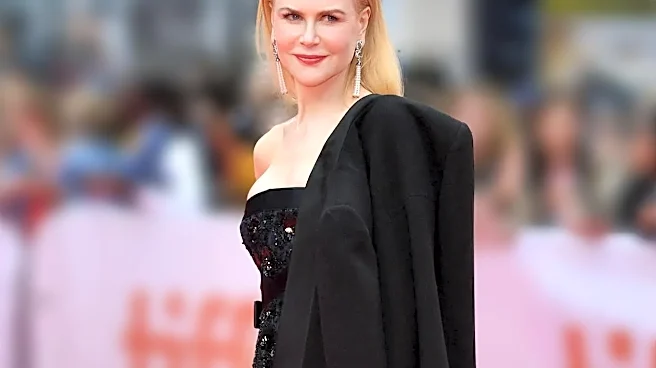
Imagine a simple, strapless column gown, a staple at any film festival. At TIFF this year, we might see this silhouette interpreted in two starkly different ways. One star could appear in a version made of high-gloss duchess satin. The fabric’s stiff, reflective surface would turn the simple dress into a piece of sculpture. It would catch the light with every turn, creating a brilliant, almost liquid sheen that reads as pure opulence. Another star could walk the carpet in the very same silhouette, but rendered in a deep, black velvet. Instead of reflecting light, the velvet would absorb it, creating an effect of infinite depth and richness. The look would feel serious, regal, and intensely luxurious. The silhouette is identical, but one says 'dazzling movie star' while the other says 'serious artist'.
From Ethereal Dream to Edgy Defiance
Fabric doesn't just change how a dress looks; it changes its mood entirely. Take a classic fit-and-flare dress. In layers of sheer, lightweight chiffon, the dress becomes ethereal and romantic, floating around the wearer as they move. It suggests a certain softness and whimsy. Now, picture that same cut executed in black leather. The silhouette is still familiar, but the vibe is completely transformed. It’s no longer soft; it’s strong, edgy, and defiant. The leather gives the sweet shape a rebellious energy. One is a fairytale, the other is a rock concert. The choice of material overrides the silhouette’s traditional meaning and gives it a new, modern context.
The Unseen Hero: Drape and Movement
Beyond texture and sheen, the most crucial element fabric dictates is drape—how it hangs and moves on the body. A fabric like silk charmeuse has a fluid, high-drape quality, meaning it will pour over the body's curves, creating a sensual, slinky effect perfect for a slip dress. By contrast, a material like a bonded crepe or a thick brocade has very little drape. It holds its own shape, standing away from the body to create architectural volume, ideal for a dramatic skirt or a structured shoulder. This is something designers obsess over because it determines how a look performs in motion. A dress that flows beautifully as an actor walks the length of the red carpet doesn't happen by accident; it's a direct result of choosing a fabric with the perfect weight and movement for the design.