
The Tradition We Built at Dawn
If you’re a soccer fan in the United States, you know the scene. It’s 9 a.m. on a Saturday and the local pub is already packed. The air is thick with the smell of coffee, bacon, and the nervous energy
of a knockout match. For decades, this has been our World Cup reality. With tournaments hosted in South Africa, Brazil, Russia, and Qatar, an essential part of the American fan experience has been waking up at odd hours, finding a bar that’s willing to serve beer with its breakfast specials, and bonding over a shared, slightly surreal sporting ritual. This “soccer brunch” became more than a novelty; it became a cultural institution. It was a testament to the sport's growing hold on the country, proving that fans were dedicated enough to trade a lazy weekend morning for the thrill of a live game. It separated the die-hards from the casuals and created a unique, communal atmosphere that felt distinct from the afternoon tailgates of football or the evening buzz of basketball.
The 2026 Time Zone Twist
But the 2026 FIFA World Cup changes everything. For the first time since 1994, the tournament will be held in North America, with matches spread across the U.S., Canada, and Mexico. This isn't a bug; it's the main feature. The days of bleary-eyed 7 a.m. kickoffs are largely over. Instead, Americans will be treated to a schedule perfectly tailored to their own clocks: afternoon and prime-time games. On its face, this seems like the death knell for the beloved soccer brunch. If the U.S. Men’s National Team is kicking off at 4 p.m. Eastern, who needs to be at a bar at 10 a.m.? But to assume the tradition will simply vanish is to underestimate the cultural muscle memory we’ve built. The habit of dedicating a weekend day to soccer isn’t going away; it’s just getting an upgrade.
From Brunch to the All-Day Hang
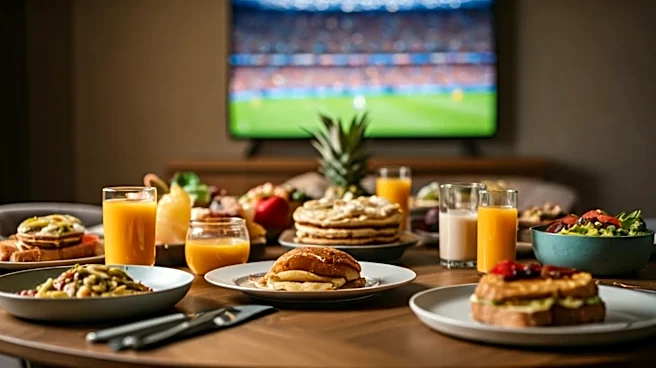
Instead of replacing brunch, the 2026 schedule is poised to expand it. Think of it less as a single meal and more as the opening act for a day-long festival. Fans who have grown accustomed to meeting up in the morning won't just abandon the practice. Instead, “brunch” will become the social starting gun for a full day of soccer-themed revelry. Imagine a group of friends meeting at 11 a.m. for eggs Benedict and mimosas while pre-gaming the day’s matchups. The bar keeps the screens on, showing pre-match analysis or re-airs of classic games. As brunch bleeds into lunch, the crowd swells. The vibe shifts from a cozy breakfast club to a full-throated stadium atmosphere, culminating in a 3 p.m. or 4 p.m. kickoff. It’s not just a 90-minute viewing appointment; it’s an entire social event, perfectly suited for a lazy American summer day.
A Perfect Fusion of American Traditions
This new model—the “brunch-to-game” marathon—is a perfect fusion of established American social habits. We already love day-drinking. We’re masters of the all-day tailgate. And our love for brunch is an unshakeable pillar of modern social life. The 2026 World Cup simply provides the perfect excuse to combine them all under a banner of red, white, and blue. Furthermore, with the tournament on home soil, the level of casual interest will be unprecedented. Your friends, family, and coworkers who never watch soccer will suddenly be swept up in the patriotic fervor. The extended brunch format makes it incredibly accessible. It’s a low-barrier-to-entry social gathering that slowly builds into the main event, welcoming both seasoned fans and newcomers looking to soak in the atmosphere. It takes the niche appeal of the 9 a.m. soccer pub and makes it a mainstream cultural event.
An Economic Golden Goal for Businesses
For bars, pubs, and restaurants, this shift is a potential goldmine. A traditional morning World Cup match might generate a couple of hours of solid business. The 2026 model, however, can turn a standard Saturday into a five- or six-hour revenue driver. They aren’t just serving a single wave of breakfast customers; they’re capturing an entire day's worth of spending, from the first mimosa at brunch to the final celebratory (or consolatory) beer after the match. This extended format creates an economic anchor for establishments, transforming dozens of summer afternoons into Super Bowl-level events, providing a massive boost during a 39-day tournament.