

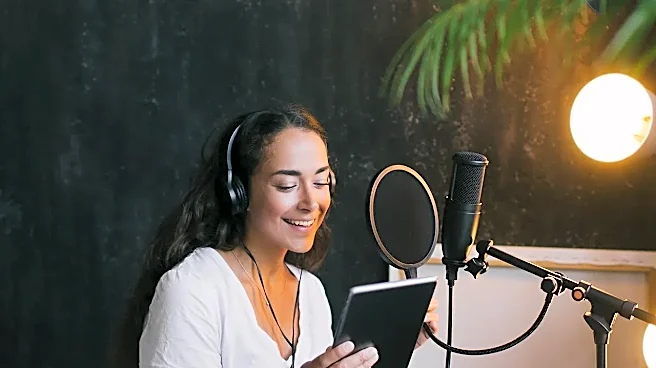
The Voice in Your Head
The core of podcast loyalty lies in a psychological phenomenon called a parasocial relationship: a one-sided connection where an audience member feels a genuine friendship with a media figure. While this happens with TV stars and YouTubers, audio supercharges
the effect. Consumed primarily through headphones, a podcast host’s voice is delivered directly into a listener’s ears, creating a sense of private, one-on-one conversation that visual media can't replicate. The absence of visual cues forces the listener's brain to do more work, painting a mental picture and fostering a deeper sense of immersion. This neural engagement, where a listener's brain activity can mirror the speaker's, builds a powerful and intimate bond. Studies show that this perceived closeness is real, with a majority of listeners reporting they feel a personal connection to their favorite hosts.
A Consistent Part of the Routine
Unlike a movie you watch once or a TV show you binge over a weekend, podcasts are woven into the fabric of daily life. Listeners tune in during commutes, workouts, or while doing chores, making hosts a consistent, reliable presence. This steady inclusion builds a powerful sense of familiarity and trust through what psychologists call the mere exposure effect; our brains are wired to prefer and trust things that are familiar. The host becomes a dependable companion. This habitual listening—with many fans tuning in to an average of eight episodes a week—creates a level of routine integration that other media formats struggle to achieve. The consistency turns passive consumption into an active, anticipated ritual.
Authenticity Over Polish
In a media landscape saturated with polished, heavily-produced content and influencer fatigue, podcasts often feel like a refuge of authenticity. The conversational, and sometimes unscripted, nature of the format allows a host's true personality—complete with quirks, pauses, and verbal habits—to shine through. This vulnerability is a feature, not a bug. Listeners don't just receive information; they connect with the host's perspective, humor, and humanity. This raw, unfiltered dynamic makes listeners feel like they're part of an honest dialogue. As a result, podcast listeners report significantly higher levels of trust in hosts compared to social media influencers or even many journalists. They are seen not as performers, but as genuine people, which makes their recommendations and insights feel more credible.
Communities of Shared Identity
Podcasts thrive in niches. Whether it’s a show about a specific video game, a particular historical era, or a unique professional field, the content often attracts a highly specific audience. This creates a powerful self-selection effect: the people tuning in already share a core interest or worldview with the host. When a host articulates a feeling or idea that listeners have felt but couldn't put into words, it creates a profound sense of being understood and validated. This isn't just about entertainment; it's about identity and belonging. Podcasts that successfully foster this sense of community, perhaps by incorporating listener feedback, transform passive listeners into active, invested participants who feel a sense of ownership over the show’s success.
The Business of Trust
This deep-seated loyalty isn't just a cultural curiosity; it's a powerful economic engine. The trust that hosts cultivate translates directly into influence. Studies consistently show that listeners are far more receptive to host-read advertisements than traditional ads, with a majority saying they trust host endorsements when making purchasing decisions. More than half of podcast listeners have considered a brand after hearing it recommended by a host. In an era of rampant skepticism toward advertising and media, the trust a podcast host commands is a rare and valuable asset. It allows creators to build entire businesses—from subscription models to live events—on the foundation of a loyal community that feels genuinely connected to them.