

The Festival as a Film Set
For a significant portion of Gen Z, the festival experience isn't just something to be lived; it's content to be created. This isn't about snapping a blurry photo for the family album. It’s a sophisticated production. The goal is to capture the perfect
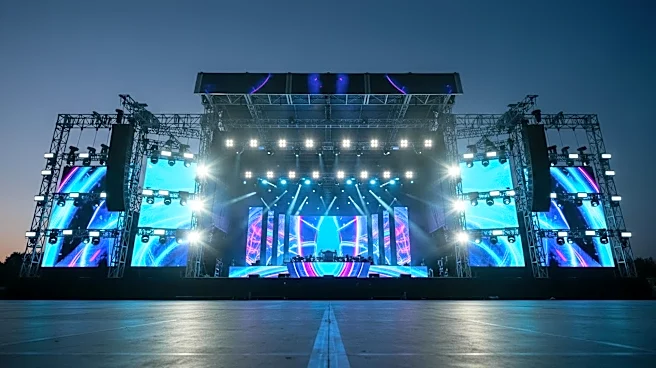
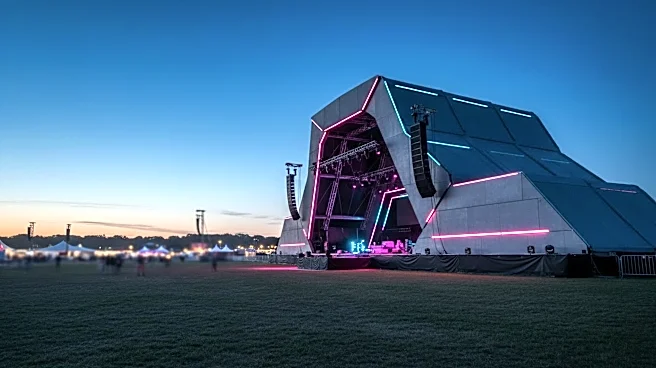
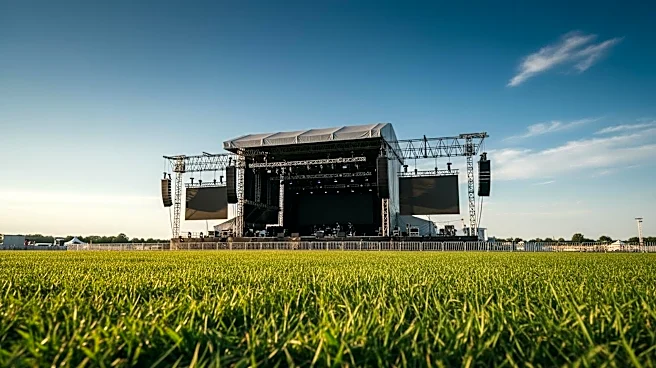
15-second clip that encapsulates the vibe, the fashion, the sunset, and the bass drop. The event itself is almost secondary to the documentation of the event. This isn't a sign of disrespect, but a different form of participation. In an era where online presence is social currency, a well-edited festival recap is a status symbol, a digital souvenir that proves not only that you were there, but that you had the best possible experience. For influencers and aspiring creators, it’s also a workplace, where capturing viral moments is part of the job. The festival grounds become a sprawling, open-air film set, and every attendee is a potential star, director, and distributor.
The Rise of Analog Nostalgia
On the other side of the generational divide are the Millennials, and a growing number of phone-fatigued Gen Zers, who are pushing back. They’re chasing a feeling they remember, or perhaps misremember, from a pre-smartphone world: being completely present. This has fueled a significant trend in phone-free events. Data has shown a massive surge in attendance for events that require guests to lock their devices away, often in secure containers like Yondr pouches. Artists from rock legends to pop stars are increasingly asking fans to put their phones down, arguing that a sea of screens is distracting and kills the communal atmosphere. For this crowd, the ultimate luxury isn't proving you were there online, but the freedom of not having to. It’s a nostalgia-driven movement, a yearning for an unfiltered, un-shareable experience that exists only in the memories of those who were present.
It’s the Economy, Stupid
While it's easy to frame this as a simple generational preference, economic forces are steering both ships. Festival promoters and brands have a vested interest in Gen Z's content creation. Every tag, story, and geo-stamped post is free marketing, reaching millions of potential future ticket-buyers. They build Instagram-worthy art installations and photo ops specifically to encourage this behavior. Simultaneously, a separate industry is capitalizing on the backlash. Companies like Yondr have built entire business models on providing the technology for phone-free spaces. Artists and comedians use these services to protect their material and create a specific, focused vibe for their shows. The "digital detox" is being marketed as a premium experience, turning the simple act of being present into a commodity. One group is providing free labor as marketers, while the other is paying a premium for a managed escape.
Beyond a Generational War
The narrative of Gen Z content creators versus phone-free Millennials is a compelling, but ultimately incomplete, picture. The reality is far more nuanced. Surveys and anecdotal evidence show that both generations are conflicted. Many Gen Zers feel immense pressure to perform online and express a desire to disconnect, while plenty of Millennials are guilty of recording an entire song on their phone. A recent study revealed that while 55% of young people prioritized filming at events, 60% of that same group knew they would have enjoyed it more if they had put their phone away. This isn't a battle between two distinct tribes, but an internal conflict we are all fighting. The core issue isn't age; it's about navigating our collective, and often troubled, relationship with the technology that has embedded itself in every aspect of our lives, especially our shared cultural experiences.