








It’s a familiar ritual: the credits roll on a terrifying horror movie, and you immediately reach for the remote to find something safe, simple, and animated. But why? This impulse isn't just a quirk; it's your brain performing emotional first aid.
Your Brain on Fright Night
Watching
a scary movie is a voluntary, controlled-fear experience. Your brain’s alarm system, the amygdala, still fires up, triggering a 'fight-or-flight' response. This floods your body with adrenaline and cortisol, sharpens your senses, and makes your heart pound. Even though your conscious mind knows the threat on screen isn’t real, your primitive brain doesn't always get the memo. This creates a state of hyper-arousal and anxiety that can linger long after the jump scares have stopped. That feeling of being on edge, where every creak of the house sounds like an intruder, is the residue of this physiological response. Your brain has been put through a stress test, and now it needs to come down.
The Comfort of Predictability
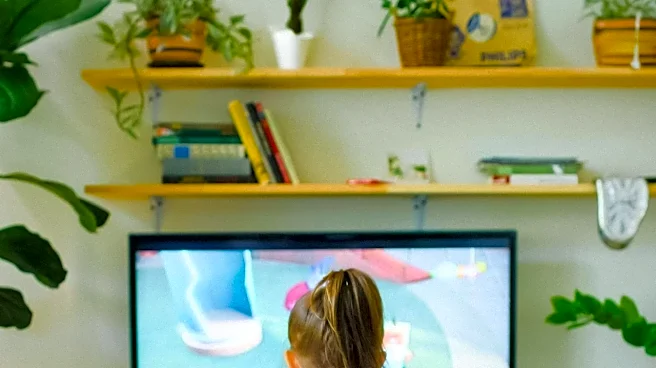
This is where the cartoon comes in. After the chaos and unpredictability of a horror film, your brain craves order and safety. A familiar cartoon, whether it's 'Scooby-Doo' or a classic from your childhood, offers exactly that. It's a world with established rules, low stakes, and, most importantly, a predictable outcome. You know the mystery will be solved, the villain will be unmasked, and the heroes will be safe. This predictability requires very little mental effort, or 'cognitive load,' allowing your overstimulated mind to relax. Psychologists refer to the power of this familiarity as the 'mere exposure effect'; we develop a preference for things simply because we’ve been exposed to them before. That old cartoon isn't just a show; it's a safe, known quantity in a moment of psychological unease.
Resetting Your Emotional Thermostat
This post-horror pivot is a classic example of what researchers call 'mood management theory.' The idea, first proposed by Dolf Zillmann, is that we subconsciously select media to regulate our emotions. When we feel stressed or anxious, we instinctively seek out content that will counteract that feeling—something calming, positive, and uncomplicated. After being bombarded with the negative emotional stimuli of a horror movie (dread, fear, disgust), you're actively seeking a positive 'hedonic valence' to bring yourself back to equilibrium. The simple humor, bright colors, and non-threatening conflicts of a cartoon act as a direct antidote, helping you intentionally shift your mood from one of high anxiety to one of comfort and lightness.
Reconnecting with Your 'Safety' Crew
There’s another layer to this: the characters themselves. Many of us form one-sided relationships, known as 'parasocial relationships,' with our favorite fictional characters. These characters feel like old friends, and turning to them provides a sense of stability and social connection, even if it's an illusion. After a horror movie leaves you feeling isolated and vulnerable, spending time with beloved, non-threatening characters like SpongeBob or Bugs Bunny is like calling a friend for comfort. They are reliable, unchanging, and exist in a world where the worst that can happen is a comical mishap. They anchor you back to a feeling of safety and community, effectively telling your rattled nervous system that everything is going to be okay.