




The Comfort of Shared Nostalgia
One of the most powerful drivers is nostalgia. Dressing up as a character from a beloved show like 'The Office' or 'Parks and Recreation' is a way to revisit a comforting, familiar world. These costumes act as a shortcut to a simpler, cherished time,
whether it was your own past or just the cozy world of the show itself. In a fast-moving culture, these classic TV outfits are a shared touchstone. They don't require explanation; seeing a group dressed as the Ghostbusters or the crew from 'Stranger Things' instantly evokes a feeling of connection and shared history. It’s less about a specific Halloween trend and more about celebrating stories that have become a permanent part of the cultural landscape.
A Badge of Fandom and Identity
A Halloween costume is more than just an outfit; it’s a declaration of identity. Choosing to dress as a character is a way of signaling your membership in a fan community. It’s a visual way to say, “I’m one of you.” This is especially true for shows with massive, passionate followings. When you wear the blue and gold jacket of a U.A. High School student from 'My Hero Academia' or the dark robes of a Hogwarts wizard, you’re instantly recognizable to other fans. This creates an immediate bond and serves as a conversation starter. Psychologists refer to the idea of 'enclothed cognition,' where what we wear influences how we feel. By embodying a favorite hero or anti-hero for a night, fans get to borrow that character's confidence, wit, or power, exploring a different side of their own personality in a low-risk setting.
The Rise of the Instantly Iconic Look
The streaming era has supercharged this phenomenon. When a new season of a hit show drops, it dominates the cultural conversation for weeks, creating a new wave of instantly recognizable costumes. Think of the green tracksuits from 'Squid Game' or the Regency-era gowns from 'Bridgerton.' These looks become visual shorthand for a shared cultural moment. Beyond new hits, the most enduring TV costumes often share a key trait: they are simple, distinctive, and easily replicable. The khakis and mustard-yellow shirt of Dwight Schrute, the red jumpsuit of a 'Money Heist' character, or the suit and sunglasses of 'Men in Black' are all low-effort but high-impact. They are easy for others to identify, which is a major factor in the success of a costume, making the wearer feel clever and culturally fluent.
More Than a Costume, It's a Connection
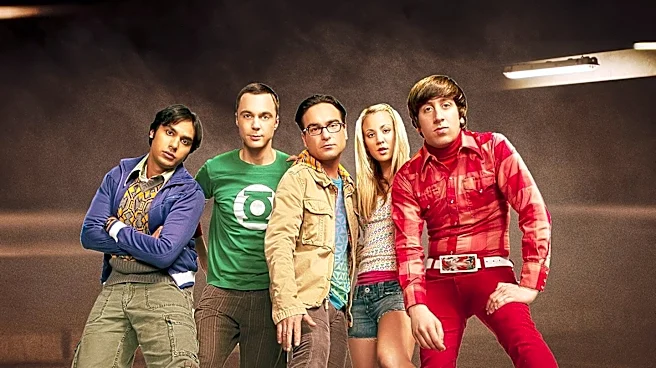
Ultimately, recreating a TV costume is a performative and social act. Group costumes, in particular, highlight a desire for social bonding and connection. Coordinating with friends to become the cast of 'Scooby-Doo' or the super-powered family from 'The Incredibles' is an activity that reinforces friendship through a shared love of a story. The choice is a form of self-expression, but it’s one that’s designed to be understood by others. By stepping into the shoes of a fictional character, people are engaging in a form of play and escapism, temporarily setting aside the rules of everyday life to become part of a larger narrative. This allows for a unique form of self-transformation, where a person can embody traits they admire in a character, whether it's the bravery of a superhero or the humor of a sitcom icon.