








The Kitchen Countdown
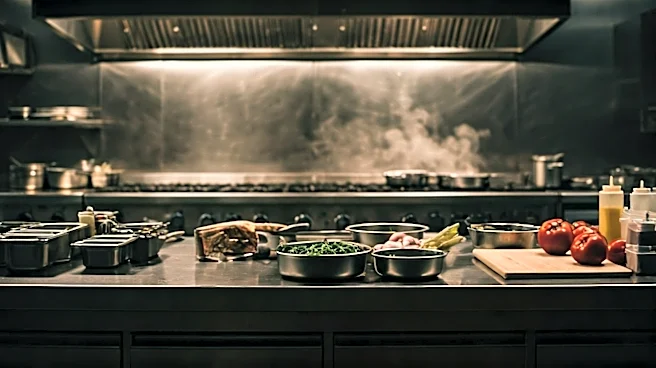
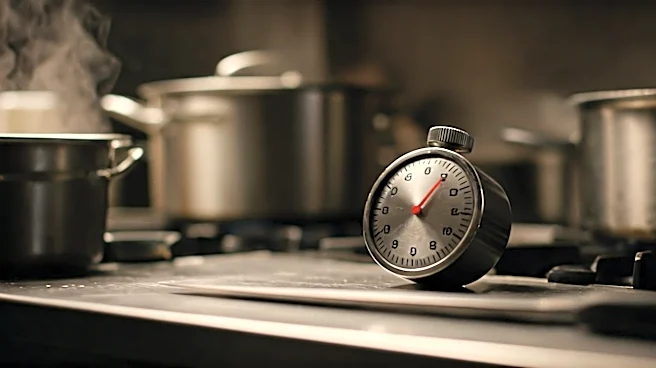
The most visible form of this villain is the literal kitchen timer. Every episode is underscored by the frantic, anxiety-inducing rhythm of service. From the incessant shouting of "Hands!" and "Corner!" to the perfectly synchronized plating that leaves
no room for error, the kitchen operates under a state of perpetual urgency. This isn't just about getting food out quickly; it's a minute-by-minute battle against chaos. The show masterfully uses quick cuts, a heart-pounding soundtrack, and the constant visual presence of digital timers to immerse the viewer in this pressure cooker. Each ticket is a new deadline, each dish a race. In this environment, a single lost second can cause a domino effect, turning a smooth service into a catastrophic failure. The clock dictates the pace, the stress, and the very possibility of success.
The Financial Doomsday Clock
Beyond the immediate pressure of the dinner rush, a much larger and more dreadful clock looms over the entire operation: the financial one. From the very first season, the restaurant is drowning in debt. Carmy's return to Chicago is prompted not just by his brother's death, but by the financial ruin Mikey left behind. This pressure evolves but never disappears. In season two, Carmy makes a high-stakes deal with Uncle Jimmy, starting an 18-month countdown to repay a massive loan or lose everything. This deadline transforms the abstract stress of debt into a tangible, ever-present threat. Every decision, from menu development to staffing, is weighed against this financial doomsday clock. It forces the team to take huge risks and adds an existential weight to their culinary ambitions. The clock isn't just about one bad service; it's about the potential for total collapse.
The Personal Stopwatch
Perhaps the most poignant way time acts as a villain is on a personal level. Each character is racing against their own biological and psychological clock. Carmy is haunted by the fear that he's running out of time to achieve greatness without becoming the abusive, tyrannical mentor he despises. His ambition is a frantic sprint against burnout and repeating the cycles of trauma that have defined his past. For Richie, it’s a mid-life crisis; a desperate scramble to find purpose and prove his worth before it’s too late. His transformation is catalyzed by the realization that every second counts, giving him a newfound sense of urgency. Other characters face their own deadlines, too—Natalie's pregnancy adds a new layer of personal and professional pressure, while Marcus's time with his ailing mother becomes tragically finite. These personal timelines add a deep, emotional layer to the show's central theme of pressure.
The Window for Redemption
Ultimately, the clock is the antagonist because it constricts the space needed for human connection and healing. The characters are so consumed by the various countdowns in their lives that they struggle to find time for each other. Relationships are sabotaged, conversations are cut short, and apologies are left unsaid because the demands of the kitchen and the business are all-consuming. Carmy’s brief romance with Claire is a key casualty, a relationship he convinces himself he doesn't have time for if he wants to succeed. The show suggests that healing from deep-seated trauma is a slow, patient process, yet the characters exist in a world where patience is a luxury they can't afford. The small moments of quiet connection—Richie truly listening to his daughter, or Sydney and Carmy finding a moment of sync—are so powerful because they represent a temporary victory against the relentless march of time.