





More Than Just a Catchy Tune
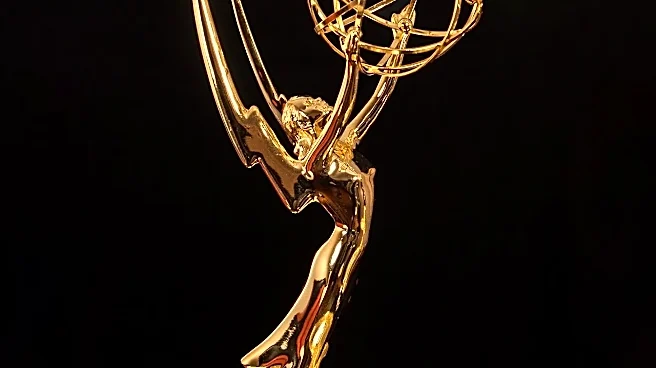
Every year, the Emmy for Outstanding Original Music and Lyrics honors a song written specifically for television. This isn't an award for the best needle drop or the most memorable theme, but for a musical number that functions as a core component of
the story. The nominees are often the moments viewers can't stop talking about—the songs that either made them laugh uncontrollably or revealed a shocking truth. The award recognizes that when done right, a song isn't filler; it’s a high-impact storytelling device, capable of conveying emotion and information more effectively than pages of dialogue. It’s a celebration of the alchemy that happens when melody, lyrics, and narrative merge into something unforgettable.
Revealing a Character’s Inner World
One of the most powerful uses of an original song is its ability to grant the audience direct access to a character’s mind. Shows built around musical numbers, like The CW’s acclaimed “Crazy Ex-Girlfriend,” perfected this, using songs to externalize the protagonist's anxieties, fantasies, and questionable life choices. But even in non-musical series, a single, well-placed song can offer profound insight. It can be a moment of vulnerability where a stoic character finally expresses their inner turmoil through a ballad, or a comedic outburst that reveals their hidden delusions. These songs function as sung monologues, transforming subtext into text and allowing writers to explore a character’s psyche in a way that is both emotionally resonant and deeply entertaining.
Driving the Plot Forward
Sometimes, a song is the plot. The most celebrated recent example is “Agatha All Along” from Disney+'s “WandaVision.” The catchy, villainous jingle didn't just accompany a montage; it delivered the series' biggest twist. In just under a minute, the song revealed that the nosy neighbor Agnes was, in fact, the witch Agatha Harkness, who had been manipulating events from the start. The song became a viral sensation and went on to win the Emmy in 2021, proving how a musical reveal can be more impactful than a simple expository scene. By embedding a critical plot point within an irresistible tune, the creators ensured the reveal was not just understood, but felt—and replayed endlessly. This technique turns passive viewing into an active experience, rewarding audiences who pay close attention.
The Power of Parody and Tone
Original songs are also master tools for establishing a show's unique tone, particularly in comedy. Apple TV+'s “Schmigadoon!” built its entire premise on this idea, parodying classic musical theater tropes to tell a modern story about relationships. Its Emmy-winning song, “Corn Puddin’,” perfectly encapsulated the show’s blend of sincere homage and gentle satire. The song, a ridiculously cheerful ode to a bland dish, instantly communicates the cheerfully repressive vibe of the show’s magical town. Likewise, the satirical songs of “Saturday Night Live” or the witty numbers in shows like “Hacks” and “The Boys,” both nominated in 2026, use lyrics and musical style to land sharp comedic and social critiques that wouldn’t work as straight dialogue. Through parody, these songs create a specific comedic language that becomes integral to the show's identity.