



The TIFF Effect: Precision is the Point
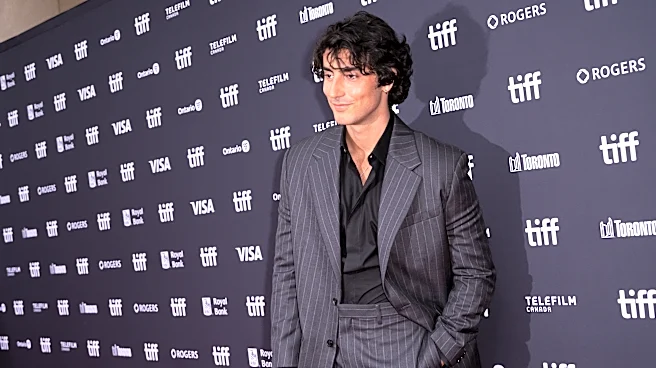
The red carpets at the 2026 Toronto International Film Festival delivered a masterclass in modern suiting. Actors like Sebastian Stan and Patrick Dempsey showcased a clear trend: a move away from the intentionally oversized fits of past seasons toward
a silhouette defined by precision. Stan’s slate-shaded suit was a study in clean lines, while Dempsey looked sharp in a classic navy ensemble. The common thread wasn’t a particular color or brand, but an impeccable fit. Jackets created a strong shoulder line without appearing bulky, and trousers were hemmed with a slight or no break, creating a clean line from hip to ankle. The message from TIFF is that the power of a suit lies in how it’s cut to the individual, making the case that a well-loved garment can be more impactful than an expensive, ill-fitting new one.
Give Your Old Suit a Second Look
Before you discard that suit collecting dust in your closet, it's time for a critical assessment. Most off-the-rack suits are designed for a generic body type, which means they rarely fit anyone perfectly. Common issues include a boxy torso, excess fabric in the seat and thighs, and sleeves that are either too long or too short. Put on your old suit jacket. Does it pull at the shoulders or look wide at the waist? A good fit should allow you to fit a closed fist between your jacket and shirt when the top button is fastened. Now, look at the trousers. Do they pool around your ankles or feel baggy through the leg? These are not signs of a lost cause; they are opportunities. An experienced tailor can see beyond these flaws to the potential for a modern, flattering garment.
A Modern Tailoring Checklist
Updating a suit is a series of small, targeted adjustments that create a major impact. Start with the jacket. The most transformative alteration is waist suppression, where a tailor takes in the sides to create a V-shape that enhances your silhouette. This simple change instantly removes the 'boxy' look of older suits. Next, address the sleeves. They should be shortened to allow about a half-inch of your shirt cuff to show, a small detail that frames the entire look. For the trousers, ask your tailor to taper the legs. This involves slimming the fabric from the knee down to the ankle, creating a more contemporary shape that follows your body’s natural lines. Finally, focus on the hem. The pooling fabric of a 'full break' looks dated; instead, opt for a 'slight break' or 'no break,' where the trouser hem just kisses the top of your shoes. This creates a cleaner, more intentional finish.
Finding the Right Partner in Style
Not all tailors are created equal, especially when it comes to modernizing a garment versus performing simple repairs. Look for a tailor who specializes in suit alterations and can articulate a vision for your piece. When you go for a fitting, don't just drop off the suit. Wear the dress shirt and shoes you intend to pair it with to ensure the sleeve and trouser lengths are perfect. A good tailor will do more than just measure; they will pin the garment on you and show you how the adjustments will change the fit and feel. Ask them about their experience with reshaping shoulders or even narrowing lapels, which are more advanced alterations that can dramatically update a vintage piece. This collaborative process ensures the final product aligns with both your comfort and your renewed sense of style.