







A Revolutionary, and Risky, Partnership
In the early 1990s, the idea of a feature-length film created entirely with computer animation wasn't just ambitious; it was unheard of. Pixar, then a small tech-focused company, had a revolutionary vision. Disney, the reigning king of animation, had the power
to make it a reality. The two studios struck a deal, with Pixar handling the creative and technical production and Disney managing the marketing and distribution. The project, led by a young director named John Lasseter, was built on a simple, heartfelt premise: what if toys came to life when humans weren't looking? It was a concept filled with warmth and wonder, championed by the passionate team at Pixar. However, this pure vision was about to collide with the powerful machinery of Hollywood studio filmmaking.
The Push for 'Edge'
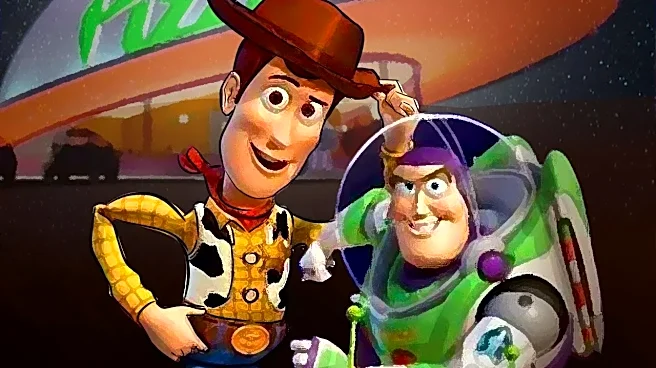
Enter Jeffrey Katzenberg, the chairman of Walt Disney Studios at the time. A formidable and influential executive, Katzenberg was instrumental in Disney's animation renaissance, overseeing hits like The Little Mermaid and The Lion King. His note for the fledgling Toy Story was simple: it needed to be edgier. He pushed for more adult, cynical humor, believing that a saccharine story about talking toys wouldn't resonate with a broader audience. Under this pressure, the Pixar team began to alter their original concept. The characters, particularly the film's protagonist, began to change. Woody, the charming pull-string cowboy doll, was twisted into something much less heroic.
The 'Black Friday' Disaster
On November 19, 1993, the Pixar team presented an early version of the film—a story reel of sketched-out scenes—to Disney executives. The event would become infamous within Pixar lore, known as the "Black Friday reel." The version of Woody on screen was not the flawed-but-lovable leader we know today; he was a tyrannical, sarcastic, and downright cruel character. In this iteration, he wasn't just jealous of Buzz Lightyear; he was abusive to the other toys and deliberately, maliciously pushed Buzz out of the window. The reaction from the Disney executives was one of horror. The film was deemed unwatchable, the main character was completely unlikable, and the story lacked any of the heart it promised. Production was immediately shut down. For a moment, it seemed Toy Story was dead before it ever truly lived.
From the Ashes, a Classic is Born
The shutdown was a devastating blow, but it also became a crucial turning point. With production halted, Lasseter and his core creative team—including Andrew Stanton and Pete Docter—were given a small window of opportunity. They asked for one more chance to rework the script and went back to their original instincts. They threw out the cynical notes and rebuilt Woody from the ground up. He was still insecure and prone to jealousy, but his motivation came from a place of fear and a desperate desire to maintain his status as Andy’s favorite toy, not from malice. He became a leader who made a terrible mistake, rather than a villain. When they presented this new, heartfelt vision to Disney, the executives were won over. Production resumed, and the film was put back on the path to becoming the classic we know and love, cementing Pixar's core belief that story and character must come first.