




What Exactly Is Festival Exclusivity?
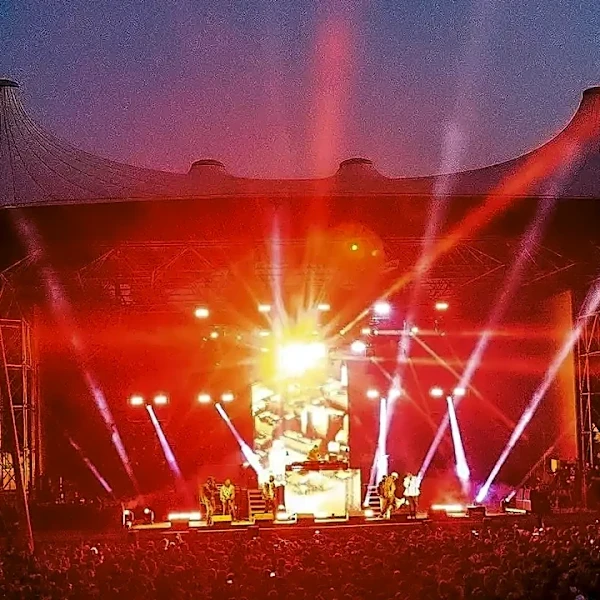
At its core, festival exclusivity is a contractual agreement known in the industry as a "radius clause." This clause prevents an artist from performing within a certain distance of the festival for a specific period before and after the event. For a major
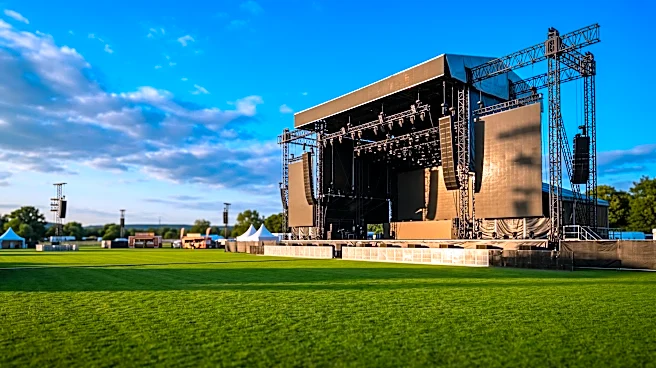
festival like ACL Fest, this can be significant, sometimes extending for hundreds of miles and lasting for several months. The promoter, in this case C3 Presents, is essentially buying scarcity. They are ensuring that if you want to see a particular headliner or buzzy new band in Central Texas this fall, your only opportunity is on their stage at Zilker Park. This prevents a competing show, like a cheaper club gig in Austin or San Antonio, from diluting the festival's unique appeal and undercutting ticket sales.
Manufacturing Hype and Driving Ticket Sales
The primary function of a radius clause is to protect the festival's investment and drive demand. Mega-festivals are enormously expensive to produce, and their financial success hinges on selling a massive number of tickets. By making a popular artist's performance an exclusive event, the festival creates a powerful sense of urgency. Fans who might have otherwise waited to see that artist on a solo tour are now motivated to buy a festival pass. This exclusivity becomes a cornerstone of the marketing campaign. It transforms a performance into a can't-miss cultural moment, elevating the perceived value of the entire lineup and justifying the premium price of a festival ticket.
The Ripple Effect on the Local Music Scene
While great for ACL's business model, these clauses have a significant ripple effect on Austin's year-round music ecosystem. For months, local clubs and theaters are effectively blacked out from booking any artist on the ACL bill. This can create a vacuum in the city's concert calendar, especially during the lucrative fall season. An economic study even suggested that radius clauses can harm music venues in surrounding cities by cutting off their access to touring acts. While the festival brings a massive economic boom to Austin, this contractual tool centralizes the live music landscape around its two weekends, creating both opportunity and frustration for smaller, independent venues.
Is It a Good Deal for the Artist?
For artists, agreeing to an exclusivity clause is a strategic trade-off. In exchange for limiting their touring options, they often receive a higher performance fee. A prime slot at a world-renowned festival like ACL offers unparalleled exposure to a massive and diverse audience, which can be invaluable for a developing act. The contract terms are also frequently negotiable; an agent for a major headliner has more power to adjust the clause's terms than a smaller band on the undercard. However, it can also force complicated routing decisions and prevent them from playing profitable shows in adjacent markets like Dallas or Houston. Ultimately, the artist and their team must weigh the guaranteed payday and exposure from the festival against the potential revenue lost from other gigs.
What It Means for the Fans
From a fan's perspective, the radius clause is a double-edged sword. On one hand, it makes the ACL Fest experience feel more special and unique. Knowing you're seeing a performance that won't be replicated at a club next month adds to the magic of the festival. On the other hand, it can be frustrating for those who can't afford a festival ticket or are only interested in seeing one or two bands on the lineup. It forces them to either pay for the full festival experience or miss out entirely on seeing an artist perform locally for a long stretch of time. It is the invisible force that shapes not just who you can see at the festival, but who you can't see anywhere else.