



More Than a Postcard
When a movie turns a real place into a fantasy set, the line between appreciation and appropriation gets dangerously thin. Film history is littered with examples of locations becoming so defined by a movie that their own identity is flattened. This phenomenon,
known as film tourism, can bring economic benefits but also risks turning communities into backdrops and residents into props. The surge in visitors can lead to overcrowding, environmental strain, and a dilution of local culture, as seen in destinations like Dubrovnik after 'Game of Thrones' or Thailand's Maya Bay following 'The Beach.' The danger for 'Moana' is that the very real, culturally significant shores of Oahu—where much of the movie was filmed—could be reduced to a generic tropical paradise, a beautiful but hollow postcard for audiences to consume. The film's success shouldn't come at the cost of the location's soul.
The Blueprint from the Animation
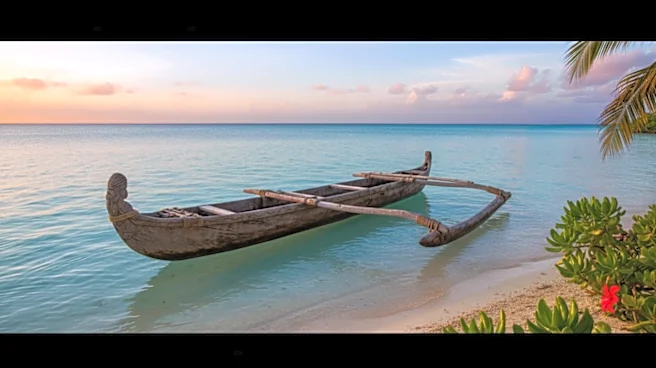
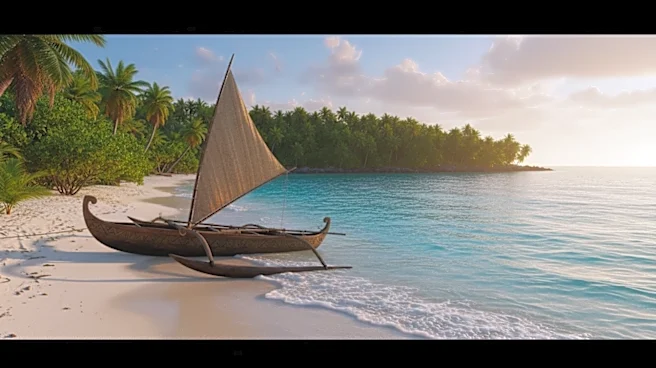
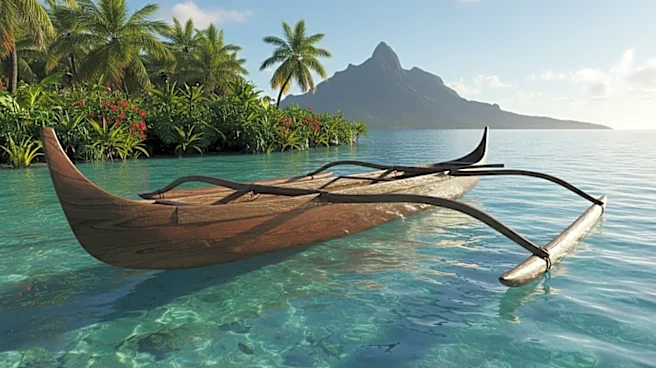
Fortunately, Disney already has a roadmap for getting this right, one it created for the original animated 'Moana.' Faced with telling a story rooted in a culture not its own, the studio formed the Oceanic Story Trust. This group of Polynesian cultural experts—academics, artists, elders, and linguists—consulted on every aspect of the film, from character design to the specific shade of red used in a costume. They ensured that Maui, voiced by Dwayne Johnson, was redesigned with long hair to reflect the Polynesian concept of 'mana,' or power. They vetted story points and even corrected the type of canoe an ancient islander would use. This collaborative process was key to the film's authenticity and global success. Dwayne Johnson, who has Polynesian heritage, has repeatedly emphasized the pride and respect embedded in the project, a sentiment echoed by the creative teams on both the animated films and the new live-action version.
Authenticity Through Partnership
For the live-action film, Disney must not just repeat that process but deepen it. Using real locations requires a different level of engagement. It's not enough to consult with experts; the production must become a genuine partner with the local community. This moves beyond paying for permits and moves toward a model of reciprocity. It means prioritizing local hires, investing in community infrastructure, and ensuring that the economic benefits are shared long after the crew leaves. It also means collaborating on the narrative itself, allowing the spirit and stories of the place to inform the filmmaking. With Dwayne Johnson serving as a producer and star, there is a powerful advocate for this approach at the center of the project. He has consistently spoken about the importance of representing Polynesian culture with reverence. This isn't just about avoiding offense; it's about co-creation, where the location and its people are active participants, not passive subjects.
Making the Location a Character
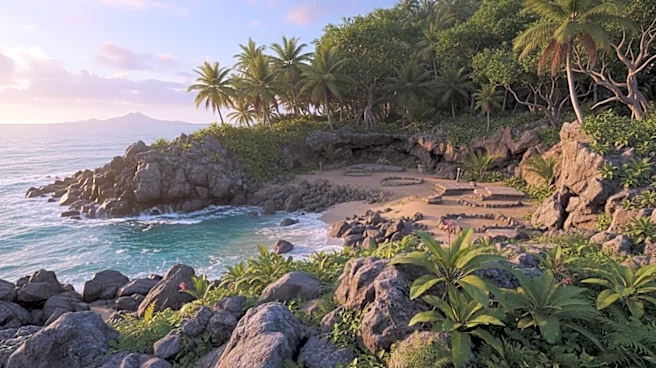
The ultimate way to avoid becoming a travel advertisement is to treat the location as a character in its own right. The story of 'Moana' is about a profound connection to the ocean and the land—a respect for nature that is central to Polynesian culture. The islands of Oahu, with their dramatic cliffs and culturally significant sites like Pōkaʻī Bay, aren't just backdrops; they are the living, breathing world of the story. The film can achieve this by weaving the specific history, ecology, and spirit of the locations into the visual storytelling. Instead of just showing a beautiful beach, the camera can capture it in a way that reflects its cultural importance. When a place is treated as a character with its own agency and story, it becomes impossible to see it as a mere commodity. It becomes integral to the journey, just as the ocean itself is a central character in Moana's quest.