






The Perfect Storm of 2026
Forget what you think you know about soccer’s place in America. The 2026 World Cup, co-hosted by the U.S., Mexico, and Canada, isn’t just another tournament. It’s poised to be the largest single sporting event in history, and its primary stage is here.
The economic and cultural impact will be massive, with billions in revenue and millions of visitors expected. But the real story is the opportunity for a narrative breakthrough. American sports culture is built on singular, heroic moments that transcend the game itself: Kirk Gibson’s limping home run, Michael Jordan’s “The Shot,” or Brandi Chastain’s penalty kick in 1999. With the U.S. Men’s National Team (USMNT) playing on home soil, with its most talented roster ever, the stage is set for a new entry into that pantheon. This isn't just about winning; it's about creating a moment so powerful it seizes the national conversation for a generation. The combination of home-field energy and knockout-round pressure creates a perfect storm for legendary drama.
Why a Set Piece Is Different
So, why a set piece? Why a free kick or a corner kick, and not some brilliant, flowing team goal? Because the anatomy of a set piece is pure American sports drama. Unlike the fluid chaos of open play, a set piece stops the game. The whistle blows. Tension builds. Everyone in the stadium—and the hundreds of millions watching worldwide—focuses on one spot. It’s the sporting equivalent of a cinematic close-up. It feels like a fourth-and-goal, a bases-loaded full count, or a final free throw. It’s a moment of structured, high-stakes pressure that casual fans can immediately understand and appreciate. In tournament soccer, where games are often tight and decided by a single goal, set pieces are frequently the difference-maker. A goal from open play is beautiful, but a goal from a perfectly executed set piece in a do-or-die World Cup match is something else entirely. It’s a planned, rehearsed, and brilliantly executed explosion of strategy and nerve.
The Anatomy of a National Legend
Think about the moments that stick. They often involve an underdog, immense pressure, and a clear, visual climax. The “Miracle on Ice” wasn't just a hockey game; it was a symbol of hope during the Cold War. John Anthony Brooks’s late header against Ghana in the 2014 World Cup—off a corner kick—is one of the most celebrated USMNT goals ever precisely because of its dramatic timing and origin. A late-game set piece in the knockout rounds of the 2026 World Cup would have all the ingredients. Imagine the U.S. tied with a powerhouse like Spain or France in the quarterfinals. A foul is called 25 yards from goal. Time is winding down. The hopes of a nation rest on one kick and the players waiting in the box. The delivery, the leap, the header, the net bulging—it’s a sequence that writes itself into history. It provides a hero, a single action, and an unforgettable release of collective emotion that will be replayed for decades.
The Potential Heroes of 2026
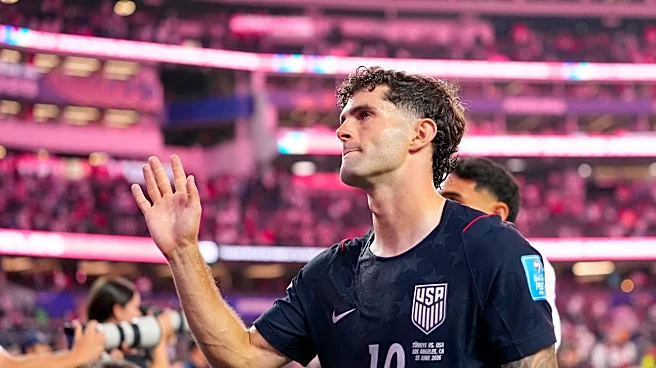
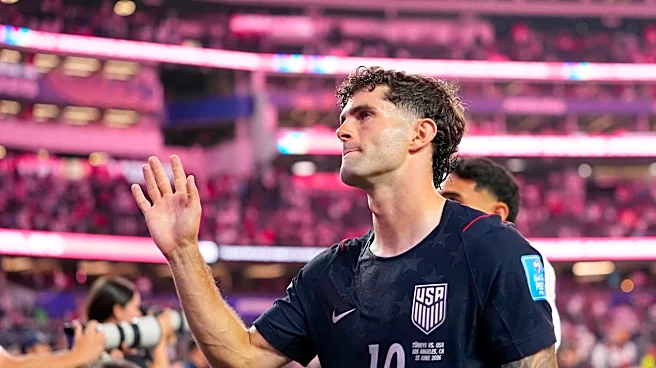
This isn't just a fantasy. The current USMNT has the exact personnel to create this moment. The team’s star, Christian Pulisic of AC Milan, is the primary set-piece taker, known for his dangerous deliveries and ability to score from free kicks himself. Then you have the targets in the box. Weston McKennie, a dynamic midfielder for Juventus, is a massive threat in the air. Towering defenders like Chris Richards of Crystal Palace are exactly the kind of players who live for these moments, attacking the ball with authority. The team has even brought in specialized coaches, like Gianni Vio, to improve their set-piece execution, signaling a clear strategic focus. Whether it's Pulisic bending a free kick into the top corner or delivering a perfect ball for a teammate to head home, the combination of elite service and powerful aerial threats gives the U.S. a credible weapon. One of these players is destined to step into that pressure cooker and deliver a career-defining, nation-captivating moment.