


The Built-in Audience Trap
In theory, a spinoff is the safest bet in television. Why build a new world from scratch when you can borrow from a successful one? Networks love them because they come with a pre-sold concept and a built-in audience, which dramatically reduces marketing
costs and initial risk. This is the industry logic that gives us a fall slate increasingly crowded with sequels and franchise extensions. The problem is, this business strategy often prioritizes marketing over story. It assumes that what audiences loved about a show was a single character, rather than the delicate ecosystem of relationships, writing, and tone that made the original work. When a spinoff is greenlit simply because a character polls well, it's already on shaky ground, banking on nostalgia instead of a compelling new narrative.
When a Great Character Isn't Enough
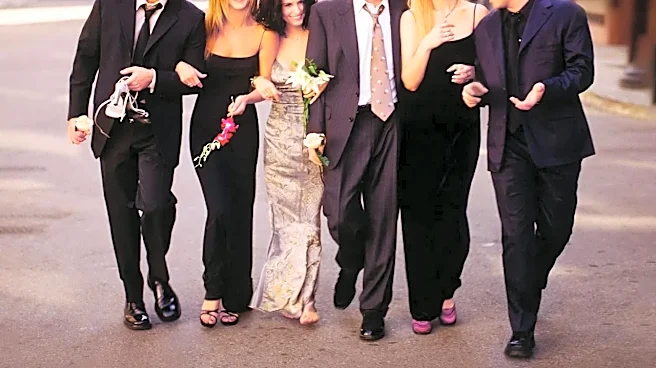
The graveyard of failed spinoffs is filled with beloved characters who couldn't carry a show on their own. The cautionary tale for decades has been Joey, which took a breakout character from Friends and discovered that his charm was directly tied to the world he just left. Divorced from his smarter, more grounded friends, Joey Tribbiani became a less interesting, almost tragic figure. The spinoff failed because it misunderstood his function; he was the seasoning, not the main course. This happens time and again. A character who shines as a chaotic force in an ensemble can become grating or one-dimensional as a lead. Unless the new show fundamentally changes the context around the character, it risks feeling like a diluted, unnecessary echo of a series we already loved. The spinoff becomes a cage built from the character's own greatest hits.
The 'Frasier' Model: A Blueprint for Success
So, what is a good reason for a spinoff to exist? The gold standard remains Frasier. Dr. Frasier Crane was a popular character on Cheers, but his spinoff succeeded because it wasn't just More Frasier. The showrunners moved him to a new city, gave him a new job, and surrounded him with a completely new cast that challenged him in different ways. It shifted genres from a workplace hangout comedy to a sophisticated family and workplace farce. The new series had its own distinct identity, plot, and character constellations that allowed it to stand on its own, ultimately becoming a classic in its own right. Successful spinoffs like Better Call Saul follow this model. They don't just continue a story; they re-contextualize it, using a familiar character as a Trojan horse to explore new themes, genres, or worlds. They give the character a new premise to react against, ensuring the story feels essential, not supplemental.
The Fall 2026 Test Case
As we look at the Fall 2026 lineup, we can apply this test to the incoming class. We don't need a spinoff that explains the mysterious backstory of a character who was compelling because they were mysterious. We don't need the quirky sidekick to move to a new city and have essentially the same kinds of adventures with a new group of quirky friends. That's just a cover band playing the hits. What we do need is a show that has a clear answer to the question, "Why does this story need to be told?" A spinoff that changes the stakes, deepens our understanding of a character by throwing them into a truly new situation, or explores a corner of the universe the parent show couldn't. It needs to offer more than just the comfort of seeing a familiar face, a psychological pull that often keeps us watching things we already know. The shows that thrive this season will be the ones that see their lead character not as a finished product to be exploited, but as a starting point for a whole new conversation.