






More Than a Game, It's an Identity
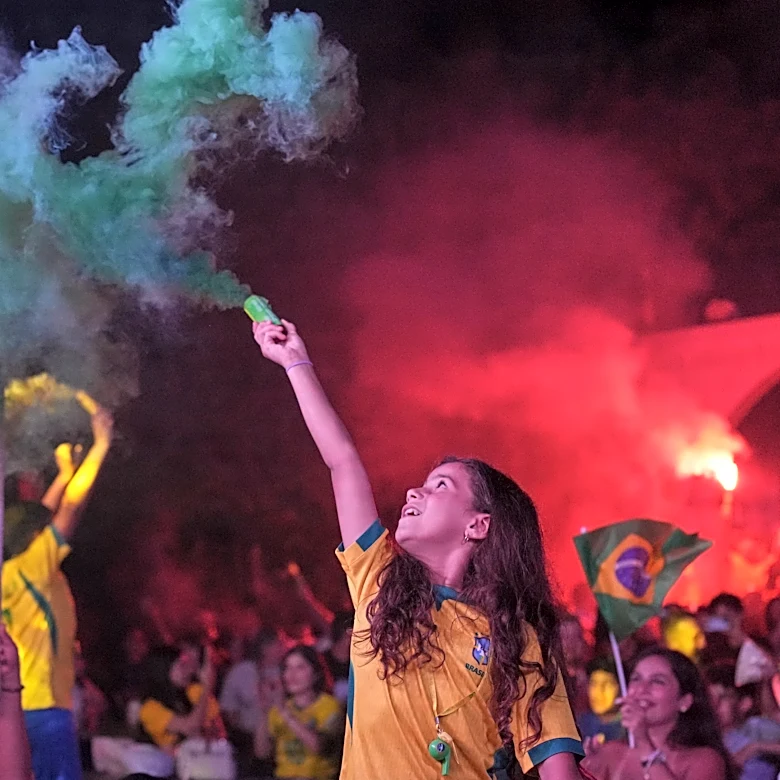
To an outsider, the passion of soccer fans can seem irrational. For those inside the tribe, however, it’s a core part of their being, as ingrained as family history or national pride. This isn't just about watching 22 people chase a ball; it's about belonging
to something larger than yourself. The club is an extension of the city, the neighborhood, and the family. Loyalty is often inherited, passed down through generations like a family heirloom, making the connection to a team feel less like a choice and more like a birthright. This shared history and geography turn the abstract idea of a team into a tangible piece of a fan's own story, making every victory a personal triumph and every loss a communal heartbreak.
The Science of the Roar
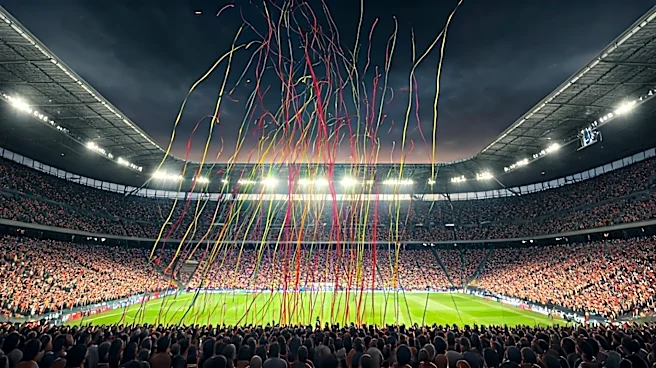
There’s a term for the electric feeling that courses through a stadium: 'collective effervescence.' Coined by sociologist Émile Durkheim, it describes the shared emotional energy a group experiences when they come together for a common purpose. In a stadium, this isn't just a metaphor; it's a measurable phenomenon. People in a crowd feed on each other's excitement. Your heart rate syncs with those around you, individual anxieties fade, and you become part of a collective consciousness. This shared emotional state is powerful, creating a sense of unity that can feel as real and binding as any family tie. Brain scans of fans show that the reward centers light up more intensely when their team scores against a rival, demonstrating how group identity can literally override logic and amplify emotion.
Rituals, Songs, and Belonging
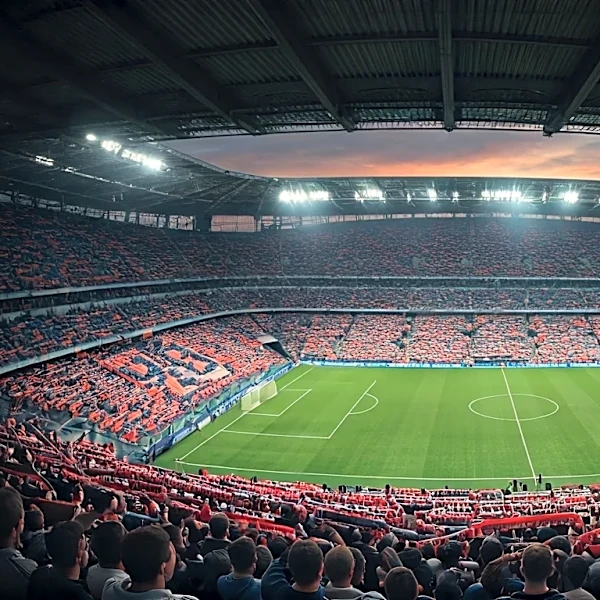
The energy of the crowd isn't accidental; it's actively built through a rich tapestry of rituals. These are the tools that transform thousands of individuals into a unified force. Think of the coordinated chants that echo from the stands, songs known by heart but rarely written down, creating a sound that binds strangers together. Or the pre-match traditions—the same route to the stadium, the same pub for a drink—that provide a sense of control and anticipation in a game defined by uncertainty. One study found that the physiological markers of shared excitement among fans actually peaked during these pre-game rituals, even more so than during the match itself, except for the moment a goal was scored. These repeated, shared actions are not just habits; they are a language of belonging, reinforcing a collective identity week after week.
Your Team, Your Story
Ultimately, the power of the crowd is that it makes the global, commercialized spectacle of modern soccer feel intensely personal. When fans say "we won" or "we lost," they aren't being dramatic; they are expressing a psychological truth. Through a process called 'identity fusion,' the team's story becomes intertwined with the fan's own self-concept. The emotional rollercoaster of a 90-minute match mirrors life's own highs and lows, but here, those feelings are shared and validated by thousands of others. The joy of a last-minute winner isn't just happiness; it's a communal euphoria. The agony of defeat isn't just disappointment; it's a shared grief that, in its own way, strengthens the bonds of the community. This is why the energy feels so personal: because in the heart of the crowd, you are never alone.