







The Market, Not the Premiere
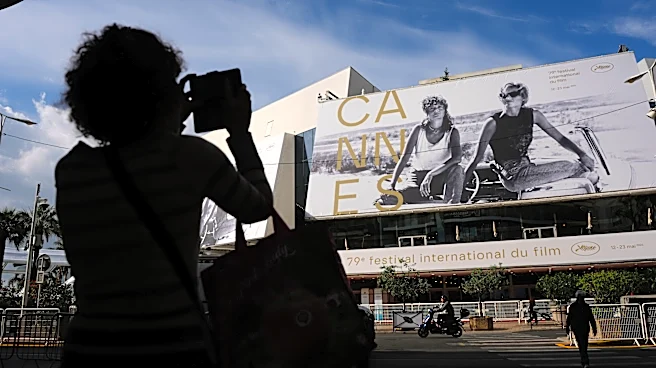
First, let’s clear up a common misconception. The Cannes Film Festival is two things at once: a glamorous showcase for auteurs and movie stars, and the Marché du Film, one of the largest film markets in the world. While critics and audiences watch official selections in the Palais des Festivals, thousands of industry professionals—producers, distributors, and sales agents—are packed into screening rooms and online portals to watch films that need funding or a distribution deal. This is business, not art appreciation. A single sale can make or break an independent production company, and the technology that facilitates these screenings has to be fast, global, and, above all, ironclad.
The Digital Fortress: Preventing Piracy
For a sales agent, the biggest fear is a leak. A pristine copy
of a film hitting torrent sites before it has a distribution deal can instantly evaporate its market value. To prevent this, the Marché du Film employs a multi-layered security strategy. The first line of defense is Digital Rights Management (DRM). Think of it as a sophisticated digital lockbox. Only authorized users with the right “key”—a secure login tied to their industry credentials—can access the film. The content is encrypted, making it unplayable if someone simply tries to copy the file. This is the baseline, the absolute minimum requirement for any professional screening platform. It’s what separates a professional screener from a simple YouTube link.
Forensic Watermarking: The Invisible Snitch
DRM is great for preventing direct theft, but what about someone recording the screen with a camera? This is where forensic watermarking comes in. Unlike the visible “PROPERTY OF…” watermarks you might see on a photo, this is an invisible code embedded into the video and audio of the film. This watermark is unique to each individual user and viewing session. If a pirated copy appears online, forensic analysis can trace it back to the exact account that leaked it. The threat of being identified—and subsequently blacklisted from the entire industry—is a powerful deterrent. It’s a digital paper trail that ensures accountability for every single person granted access to a multi-million-dollar asset.
Cinando: The Market’s Digital Heartbeat
The central nervous system of the Marché is Cinando, an online platform that has been the industry standard for years. It’s a massive database of films, professionals, and screening schedules, but its most critical function is hosting secure online screenings. Long before the pandemic made remote work normal, Cinando allowed buyers in Tokyo or Los Angeles to watch a film screening “in” Cannes without leaving their office. The platform integrates all the security features—DRM, watermarking, and access control—into a user-friendly interface. Sellers can upload their films, create private screening rooms, and invite specific buyers. Buyers can browse thousands of titles, watch trailers, and request access to full screeners. It essentially digitizes the entire market, making it a year-round hub for deal-making, with the physical festival being its most intense peak.
The Hybrid Future of Film Sales
The global shutdown of 2020 was a forced, real-world stress test for this technology. The Marché du Film had to go fully virtual, leaning entirely on its digital infrastructure. This accelerated the adoption and refinement of online screening tech. What emerged was a hybrid model that now defines the market. While the energy and networking of the in-person event on the French Riviera remain irreplaceable, the efficiency of the digital backend is here to stay. Now, a distributor can have their team split, with some on the ground in Cannes making handshake deals while others are back at headquarters, efficiently viewing dozens of films online. This approach maximizes reach and minimizes costs, allowing smaller companies to participate on a global scale like never before.