









The Holiday Branding Playbook
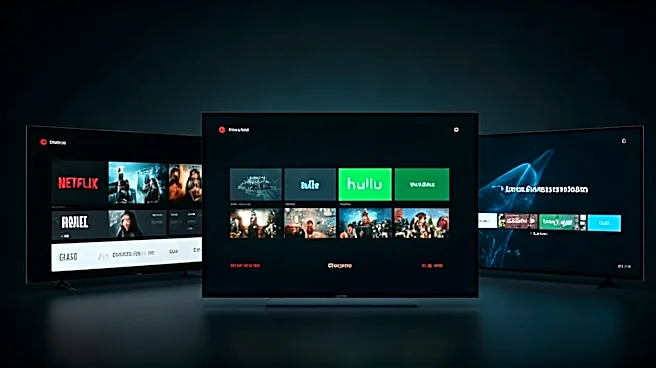
We all know the drill. Come October, Netflix and Hulu are awash in “Spooky Season” carousels. By November, they’re replaced by “Holiday Favorites.” This is holiday branding: a low-effort, high-reward strategy. It involves taking existing, often loosely
related content—from family comedies to romantic dramas that happen to be set in December—and slapping a festive label on it. The goal isn’t to educate or provoke thought; it’s to capitalize on a mood. It’s algorithmic, passive, and largely interchangeable from one platform to another. This model works for holidays that have been commercially sanitized over decades. Christmas, for many, is a feeling, a genre. The branding simply needs to evoke cozy nights and familiar tropes. It doesn’t ask much of the platform or the viewer. It’s a comfortable, predictable loop of content consumption that serves a commercial purpose. But this copy-paste approach reveals its limits when applied to moments of deeper cultural significance.
Curation as Cultural Conversation
Curation, by contrast, is an active, editorial process. It’s the thoughtful selection, arrangement, and contextualization of content to tell a story or build an argument. A good curator doesn't just group things by theme; they create a journey. They connect dots, elevate overlooked works, and provide a framework for understanding. It’s the difference between a random Spotify playlist titled “Sad Songs” and a meticulously crafted mix that charts the specific arc of a breakup. On a streaming platform, strong curation means going beyond the obvious. It means commissioning new work, unearthing archival footage, spotlighting diverse genres within a theme, and presenting it all in a way that feels intentional. It signals a genuine investment in the topic, not just a desire to participate in a trending hashtag. It requires human taste, historical awareness, and a point of view. This is where the test of Juneteenth begins.
Juneteenth: The Ultimate Litmus Test
Juneteenth, which commemorates the end of slavery in the United States, is not a simple, feel-good holiday. It is a day of celebration, yes, but it is also one of profound reflection on a painful history and its enduring legacy. It represents freedom delayed, justice deferred, and the complex, ongoing struggle for Black liberation. To treat it with the same branding logic as Halloween is, at best, a categorical error and, at worst, a deeply cynical act. Simply creating a “Black Voices” or “Juneteenth” collection filled with the usual slate of trauma narratives, civil rights documentaries, and popular Black-led sitcoms is the branding approach. It’s a surface-level gesture that often reduces the Black experience to a handful of well-worn themes. True curation for Juneteenth demands more. It asks platforms to grapple with the holiday’s dual nature: the joy of freedom and the somber reality of why that freedom took so long to arrive. It’s a test of a platform’s willingness to engage with nuance over marketability.
From Collection to Canon
So, what does successful Juneteenth curation look like? It looks like a collection that celebrates Black joy as fiercely as it examines Black history. It includes not just historical dramas but also afrofuturist sci-fi, bubbly comedies, experimental films, and concert documentaries. It showcases the breadth of Black creativity and life, not just its struggles. Good curation might pair a classic film like Spike Lee’s “Do the Right Thing” with a contemporary short from an emerging Black filmmaker, creating a dialogue across generations. Platforms like The Criterion Channel or even dedicated hubs within larger services (when done well) show what’s possible. They feature guest curators, provide written introductions, and group films in thoughtful ways—like “Black Westerns” or “Pioneers of Black Cinema”—that actively build a canon and educate the viewer. This is how a platform demonstrates that its commitment is more than skin-deep. It shows they understand that commemorating Juneteenth isn’t about selling a mood; it’s about participating in and enriching a vital American conversation.