
The Anatomy of a Moment
October 6, 2001. Old Trafford stadium in Manchester, England. The clock reads 92 minutes and 30 seconds. England, a team stacked with a so-called "Golden Generation" of talent, is losing 2-1 to Greece. They are seconds away from the humiliation of not
qualifying automatically for the 2002 World Cup, facing a perilous playoff instead. The collective breath of a nation is held. A foul is given, 30 yards from goal. It is England's last chance.
Redemption in a Single Strike
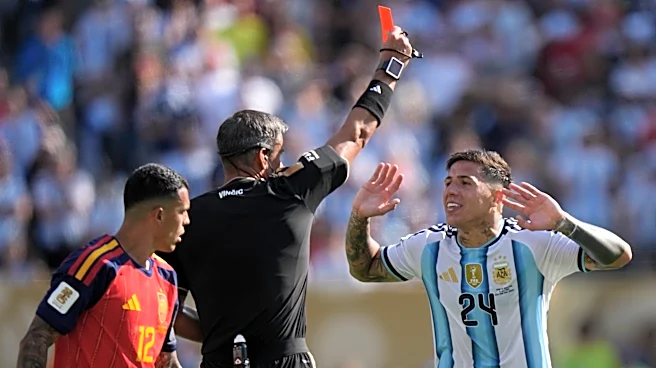
David Beckham, the captain and national icon, places the ball. Three years prior, he was a national villain, sent off with a foolish red card in the 1998 World Cup, an act many fans blamed for England's exit. Since then, his every move for the national team had been under a microscope. This was not just about qualifying; it was about rewriting his own story. He had already taken five failed free kicks in the match. But this time was different. The kick was perfect. It curled over the Greek wall and flew into the top corner of the net. The stadium erupted. England had drawn 2-2, and with Germany failing to win their match, England was going to the World Cup.
The Ripple Effect of One Goal
That single goal did more than just secure a World Cup berth. It completed Beckham's transformation from scapegoat to savior, cementing his status as a national hero. It became a foundational myth for a generation of English fans, a moment of pure, unadulterated joy and relief that is still celebrated decades later. The goal gave the "Golden Generation" their shot on the world's biggest stage and validated the narrative of hope surrounding the team. While they ultimately lost in the quarterfinals to Brazil, they wouldn't have even been there without that one kick. The moment demonstrates how a national team's journey becomes a mirror for a country's own hopes and anxieties.
More Than Just a Game
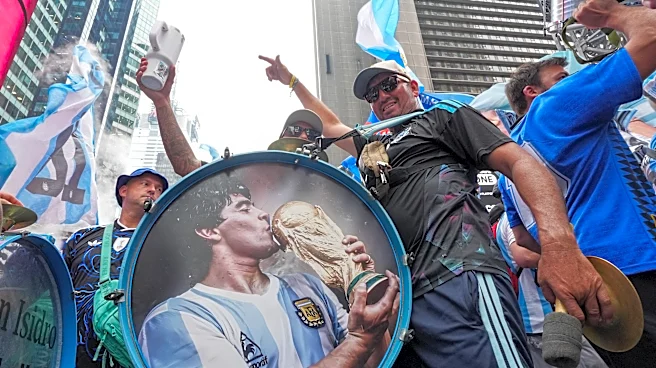
This phenomenon isn't unique to England. Soccer history is littered with moments that transcend sport and become part of a nation's cultural fabric. From Diego Maradona's goals for Argentina, which were seen as acts of defiance and national assertion, to the multicultural French team's 1998 World Cup win that sparked a national conversation on identity, the game often serves as a proxy for bigger things. Players like Pelé in Brazil or Didier Drogba in the Ivory Coast became symbols of national pride, hope, and even political change. A national team carries the weight of its country's story, and a single goal can become a new chapter.