


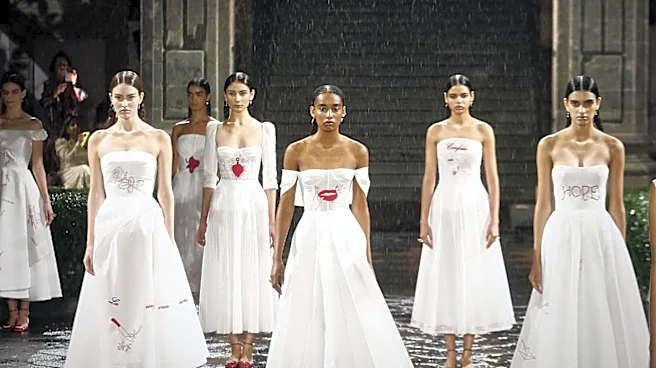
Ever see a performer walk on stage and their outfit just pops with an electric energy? It’s not magic. Often, it's a deliberate design choice: asymmetry. The secret to a dynamic look is sometimes found in perfect, intentional imbalance.
The Power of Calculated Imbalance
In the world of
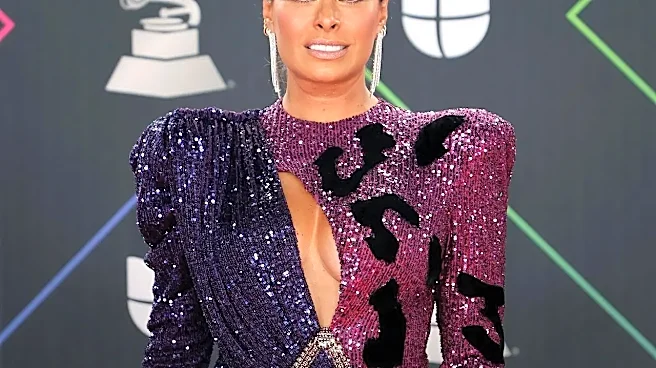
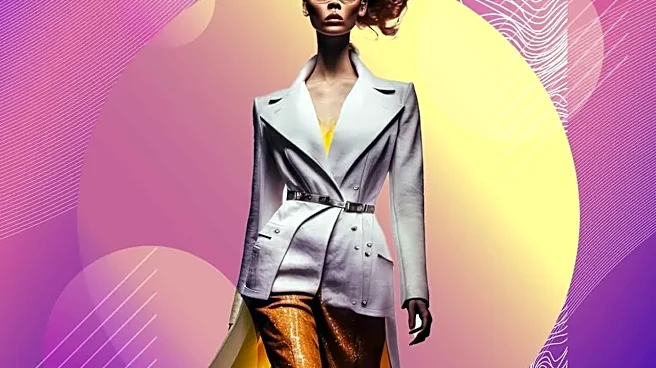
design, symmetry is the picture of calm, order, and formality. Think of a classic tailored blazer or a perfectly mirrored ballgown; they feel stable and predictable. Asymmetry is symmetry's rebellious, energetic sibling. It's the principle of achieving balance using elements that are not identical on both sides. In fashion, this translates to one-shoulder necklines, diagonal hemlines, off-center draping, or even a single dramatic sleeve. Instead of the quiet harmony of a mirrored design, asymmetry creates a subtle tension and visual curiosity that the eye finds fascinating. It suggests spontaneity and breaks away from rigid, traditional forms, making it an ideal tool for looks that need to command attention.
Creating a Narrative Through Movement
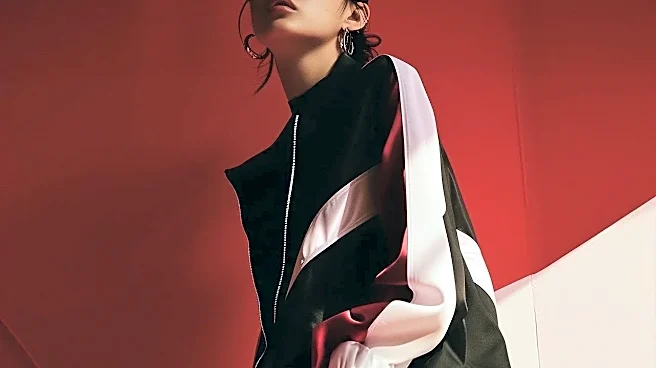
The single most powerful effect of asymmetry is its ability to create movement. A diagonal line, whether from a neckline swooping across the collarbone or a skirt hem that’s high on one side and low on the other, forces the viewer's eye to travel across the garment. This visual journey generates a sense of motion and flow, even when the wearer is standing still. Designers use this to tell a story. An aggressive, sharp diagonal cut can feel edgy and bold, while a soft, cascading drape can evoke romance and fluidity. This makes asymmetry especially powerful in performance, where an outfit needs to work in motion. The garment becomes an active participant in the performance, its shifting lines and revealing layers adding to the drama.
The Psychology of the Unexpected
Our brains are wired to recognize patterns, and symmetry is a simple, comforting pattern. Asymmetry intentionally disrupts this expectation. This break from the norm is what makes it so captivating; it feels less formal, more natural, and more exciting. An asymmetrical design is inherently unpredictable, and that unpredictability translates directly into an attitude. It’s a visual statement of confidence and a willingness to break the rules. This is why it has been a go-to for performers known for their boundary-pushing personas, from the glam-rock era to today's pop icons. The style's history is full of powerful muses who have used it to signal strength and individuality.
Iconic Asymmetry on Stage and Screen
History is filled with unforgettable asymmetrical performance looks. David Bowie’s one-legged, knitted jumpsuit, designed by Kansai Yamamoto for his Ziggy Stardust tour, became a defining image of glam rock's androgynous rebellion. In the 1970s, designer Roy Halston mastered the Grecian-draped, one-shoulder gown, making it a staple for the disco dance floor and a favorite of style icons like Bianca Jagger. More recently, Michelle Obama’s white, one-shouldered Jason Wu gown for the 2009 Inaugural Ball brought a modern, elegant take on the style to a global stage, proving its timeless power. Each of these looks used imbalance not just as a design feature, but as a way to underscore a moment of cultural or personal significance.