






The Printed Page That Ruled the Living Room
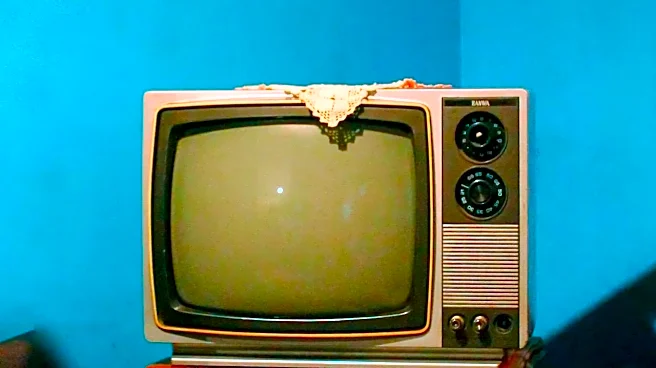
For decades, TV Guide was more than just a schedule; it was the undisputed kingmaker of American television. Launched in 1953, it quickly became a weekly fixture in millions of homes. Its power wasn't just in its listings, which were customized for local
regions, but in its editorial voice. Getting a cover story in TV Guide could turn a fledgling sitcom into a national sensation. It created a shared cultural calendar, telling everyone from coast to coast what was important and what to be excited about. Families would plan their viewing week, armed with a pen and the latest issue. This created a powerful sense of collective experience. Even if you didn't watch a particular show, you knew about it because it was on the cover at the checkout aisle. It wasn't just a guide; it was a conversation starter and a cultural unifier, featuring commentary from distinguished writers and thinkers who treated television as a medium of consequence.
Enter the Algorithmic Overlords
Today, the single, authoritative gatekeeper is gone. In its place are millions of tiny, invisible ones working just for you. The streaming homepage—whether on Netflix, Max, or Disney+—is the new ground zero for discovery, but it operates on a completely different principle. It’s not about what everyone should watch; it’s about what you are most likely to watch. These platforms have one goal: to keep you subscribed by serving you content so perfectly tailored that you never have a reason to leave. They achieve this by constantly learning from your behavior: what you watch, what you abandon, what you rate, the time of day you watch, and even the devices you use. This data feeds complex algorithms that curate a unique homepage for every single user, organizing shows into personalized rows like "Top Picks for You" or "Because You Watched..."
This August, You Might Miss the Biggest Show
Consider the big premieres arriving this month. In the TV Guide era, the buzziest new series would have been plastered on the cover, its stars interviewed, its plot teased for a national audience. Today, whether you even know that show exists depends entirely on your viewing history. If a major streaming service is launching a sprawling fantasy epic, but you exclusively watch stand-up comedy and 30-minute sitcoms, there's a good chance that new blockbuster will be buried deep in your homepage, if it appears at all. Your neighbor, a die-hard sci-fi fan, will see it promoted front and center. The services are constantly tweaking these systems. Max, for instance, recently rolled out a "Whole Page Optimization" system in the U.S. to refine these personalizations, ensuring the most relevant content for you bubbles to the top while hiding things you're unlikely to enjoy.
The Trade-Off: Convenience for Culture
There's no denying the convenience. We no longer have to hunt for something to watch; a curated buffet is presented to us the moment we log in. Studies show a growing number of viewers now trust these algorithmic picks even more than recommendations from friends. But something has been lost in this transition. The move from a centralized curator to a hyper-personalized one has dismantled the cultural water cooler. When everyone was working from the same TV Guide, the odds were high that you and your coworkers were all aware of, if not watching, the same event television. Now, we are increasingly sorted into our own private content bubbles. The algorithm is so good at giving us what we already like that it can inadvertently shield us from the different, the challenging, or simply the new thing everyone else is talking about, fracturing our shared cultural landscape one personalized homepage at a time.