
The Studio Wanted a Titan
When Universal Pictures began developing The Bourne Identity in the early 2000s, the blueprint for an action star was clear: a physically imposing, established box-office titan. The era was still shaking
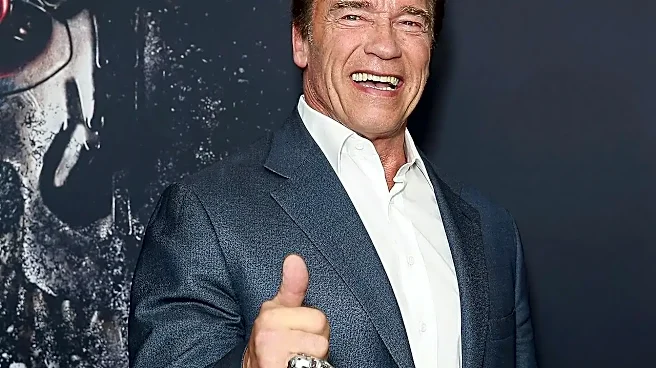
off the larger-than-life heroes of the 80s and 90s. The studio's short list reportedly included the biggest action names of the day, such as Arnold Schwarzenegger, Sylvester Stallone, and Russell Crowe. The thinking was conventional: to launch a new spy franchise, you needed a star whose name alone promised explosions and showdowns. The character of Jason Bourne, a lethal government weapon, seemed to demand an actor who looked the part from a mile away.
The A-Lister Who Said No
Director Doug Liman’s top choice, and the actor first offered the role, was Brad Pitt. Fresh off successes like Fight Club, Pitt had the star power the studio craved. He was heavily wooed by Universal, and the pairing of a hot indie director like Liman with a top-tier star was seen as a winning formula. However, Pitt was already committed to another spy thriller, Spy Game, alongside Robert Redford. Scheduling conflicts made it impossible for him to take on Bourne, and he was ultimately forced to pass on the role. This twist of fate opened the door for a very different kind of actor to step in.
A Director's Unconventional Vision
While the studio focused on muscle and star power, director Doug Liman had a conflicting vision. He wanted to make an “art film the studio could sell as an action movie.” Liman was more interested in Bourne’s internal struggle—his confusion, vulnerability, and search for identity—than in pure spectacle. He believed the film's success depended on its psychological depth and emotional resonance. For that, he didn’t want a traditional action hero. He wanted a real actor, someone the audience could believe was piecing his life together while discovering he possessed a deadly set of skills. This creative friction between director and studio became a defining battle during the film’s pre-production.
Enter Matt Damon, The Everyman Assassin
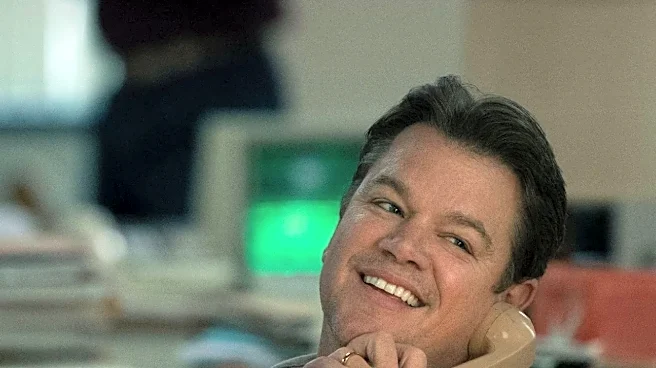
Matt Damon was known for dramatic roles in films like Good Will Hunting and The Talented Mr. Ripley. He was not an obvious choice to lead an action franchise, and the studio was highly skeptical. But for Liman, Damon was perfect. He had an “everyman” quality that would make Bourne’s predicament more relatable. Liman found that Damon understood the focus would be on character and plot, not just action. Despite the studio's resistance, with Liman even threatening to walk away, the director held his ground. Damon, for his part, committed completely, undergoing months of intense training in martial arts and weaponry to transform himself for the physically demanding role.
How the Gamble Reshaped the Action Genre
Casting Matt Damon proved to be a masterstroke. His performance brought a grounded humanity to Jason Bourne that was revolutionary for the genre. Audiences were as surprised as the character himself to discover his lethal abilities, such as in the iconic scene where he instinctively takes down two police officers on a park bench. The film was a critical and commercial success, grossing over $214 million worldwide and launching a billion-dollar franchise. More importantly, it created a new template for the action hero: less brawn, more brains; less invincible, more introspective. It was a risk that not only defined a franchise but also changed the face of the modern action movie.