






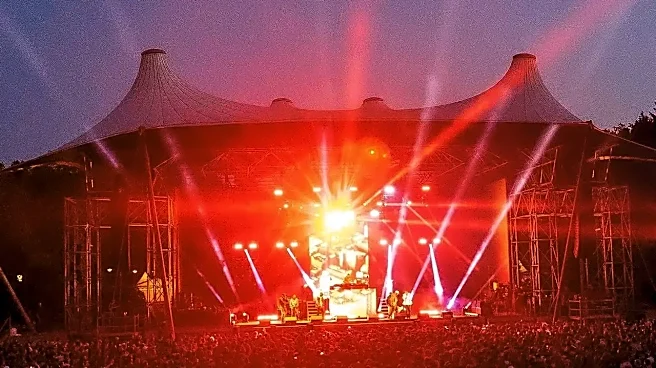
The Opening Gambit
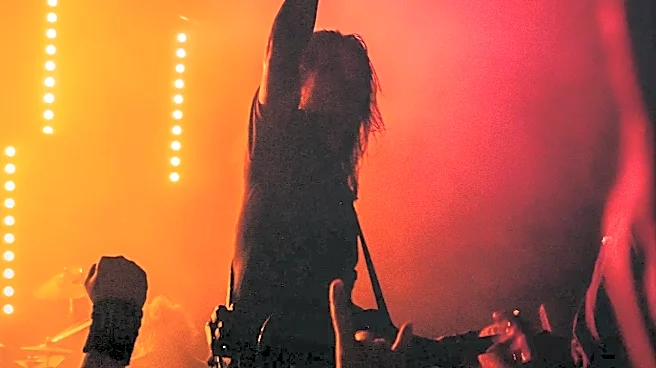
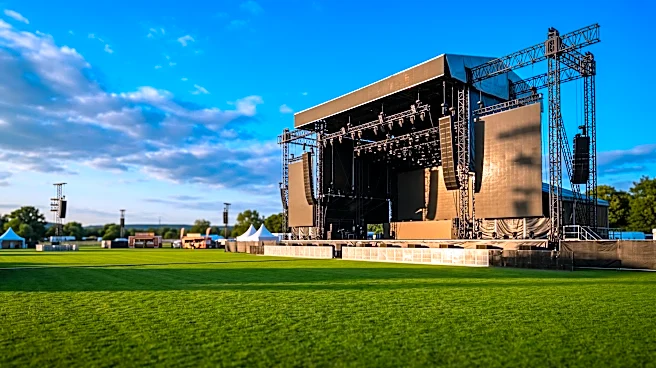
A festival set is a battle for attention. With dozens of other acts playing and countless distractions, an artist has about three minutes to convince a sprawling, semi-interested crowd to stick around. This is why the opening song is so critical. Do you
come out swinging with your biggest, most explosive hit to create instant energy? Or do you opt for a slow-burn introduction, building tension and intrigue? There’s no single right answer, but the choice sets the tone for everything that follows. A high-octane opener can unify a crowd instantly, while a more atmospheric choice tells the audience to lean in and pay closer attention. For headliners at Austin City Limits, where expectations are sky-high, this first decision separates a good set from a legendary one.
Navigating the Murky Middle
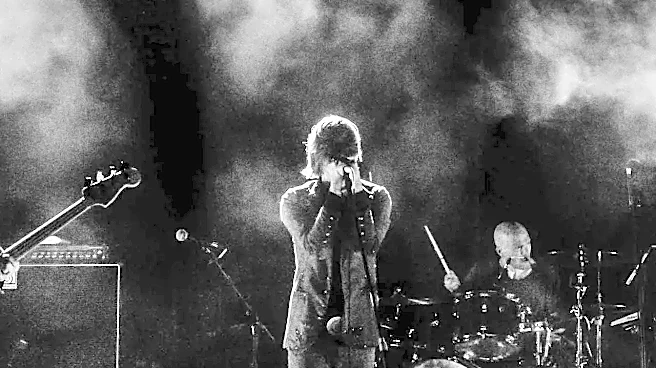
Once an artist has the crowd's attention, the next challenge is keeping it. The middle of a set is notoriously tricky territory. It’s often where bands decide to slot in new, unreleased material or a quiet ballad. This is the moment of maximum risk. A perfectly placed new song can feel like a special secret shared with thousands of people, an “I was there when” moment in the making. But a miscalculation—a song that’s too slow, too unfamiliar, or too self-indulgent—can kill the momentum entirely. You can almost feel the energy drain from a field as people decide it’s the perfect time to grab another beer or check the schedule for another stage. The art lies in creating a dynamic arc, a wave of energy that dips and swells without ever crashing.
The Surprise That Pays Off
In the age of social media, everyone knows what to expect. Setlists from previous tour stops are posted online within minutes, and the element of surprise is harder than ever to achieve. This is what makes a genuine, unexpected moment so powerful at a festival. It could be a deep cut that hasn't been played in years, a radically reworked version of a classic, or the holy grail: a surprise guest. These moments are gambles. They rely on the artist having a deep understanding of their audience—knowing which old favorite will land with nostalgic fans or which contemporary peer will generate a massive crowd reaction. When it works, it becomes the highlight people talk about for weeks. When it doesn't, it can feel like an inside joke that no one else gets.
The Final Word
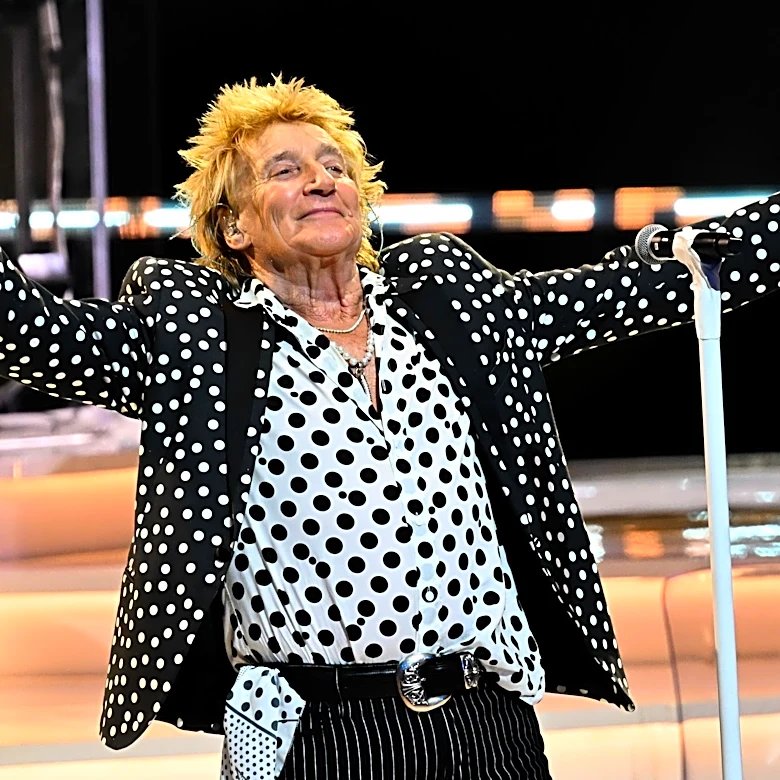
How a set ends is just as important as how it begins. The closing song, and the subsequent encore, is the final impression an artist leaves. It’s the memory that sticks with you on the long walk out of the park. Most acts save their undisputed, hands-in-the-air anthem for last, sending the crowd home on a euphoric high. But some choose a different path, opting for a more poignant, emotional farewell. There’s a quiet power in ending with a ballad, leaving the audience in a state of thoughtful reflection rather than pure adrenaline. This final choice is the period at the end of the sentence, the resolution of the story the artist has spent the last hour telling. It’s the decision that determines whether a performance was merely enjoyed or truly remembered.