




The Preppy Misconception
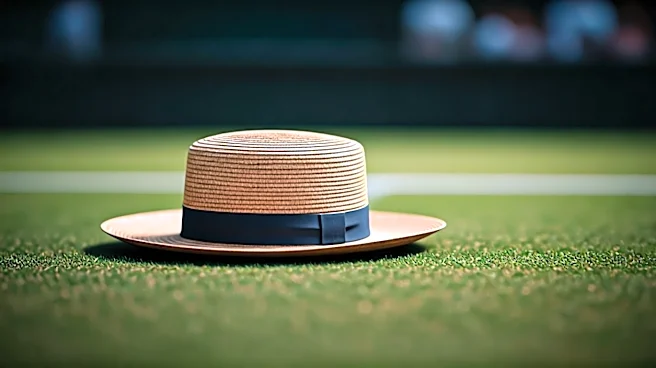
It’s easy to see why the bucket hat gets slapped with the “preppy” label, especially at an event as traditionally posh as Wimbledon. With the recent resurgence of 80s and 90s fashion, brands like Ralph Lauren, which are synonymous with both Wimbledon and classic
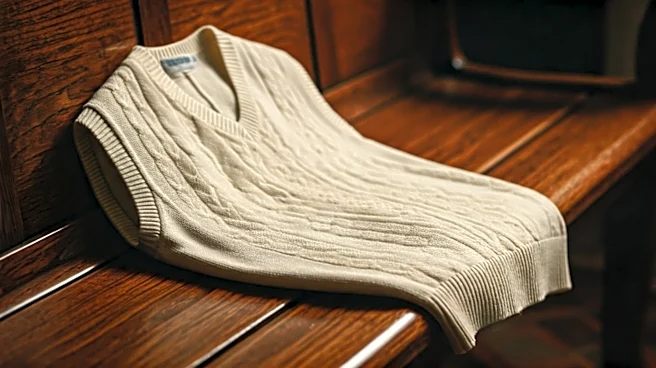
American prep, have championed the hat. The look often gets lumped in with a broader “old money” aesthetic, characterized by timeless, understated pieces. Seeing a structured bucket hat in the stands, one might easily mistake it for a simple, nostalgic nod to Ivy League style, alongside a tennis sweater and loafers. But that interpretation barely scratches the surface of what the hat truly represents.
From Humble Fields to Military Function
The bucket hat’s true story begins far from any country club. It originated in the early 1900s as a purely functional item for Irish farmers and fishermen, made from wool felt to be naturally waterproof and protective. Its practicality was its only virtue; it was foldable, durable, and shielded wearers from the elements. This utilitarian appeal led to its adoption by the military during World War II and the Vietnam War, where it was known as a “boonie hat,” prized for offering sun protection in tropical climates. This history grounds the hat in workwear and service, an identity completely removed from aristocratic leisure.
The Streetwear Revolution
The bucket hat’s journey into “cool” began in the 1980s and exploded in the 90s, when it was adopted by hip-hop culture. Artists like LL Cool J and Run-DMC transformed it from a practical accessory into a symbol of urban style and rebellion. It became a staple of streetwear, representing creativity and a certain anti-establishment attitude. This era gave the bucket hat its edge, associating it with music, art, and a fashion sensibility that was defined on the streets, not on the runways. This deep-rooted connection to hip-hop is a critical layer of its identity, one that directly contradicts the idea of it being a purely preppy accessory.
The High-Fashion Seal of Approval
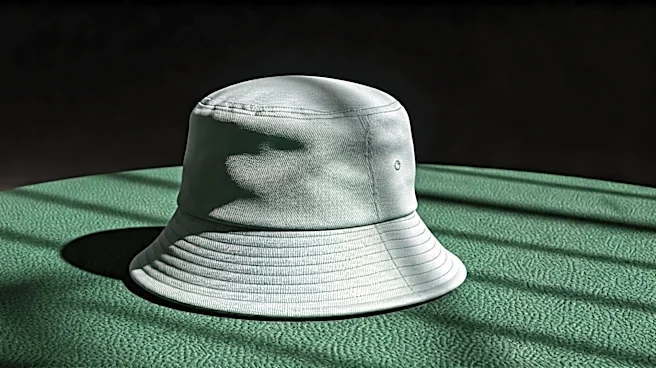
The final twist in the bucket hat's story comes from its recent embrace by high fashion. Luxury houses like Prada, Dior, and Gucci have reinterpreted the humble hat, elevating it with high-end materials like leather and their signature nylon, and adorning it with iconic logos. Prada, in particular, made the nylon bucket hat a signature item, turning a simple shape into a coveted piece of designer wear. This high-fashion treatment explains the “structured” element often seen today, moving it beyond the soft, floppy hats of the past. It became a statement piece, a bridge between casual streetwear and couture.
A Statement of Knowing Cool
So, when a style-conscious spectator wears a structured bucket hat to Wimbledon today, they aren’t just putting on a preppy costume. They are wearing a piece of fashion history. The hat is a subtle signal to those in the know. It acknowledges the hat’s working-class origins, its streetwear credibility, and its luxury status all at once. In the context of Wimbledon, an event steeped in tradition and a specific kind of formal elegance, choosing a bucket hat is a deliberately modern, and surprisingly complex, fashion statement. It’s less about fitting into a preppy box and more about demonstrating a deep understanding of how style evolves.