




Decoding 'Deep Autumn'
So, what exactly is a Deep Autumn? In the world of seasonal color analysis, it’s a palette defined by three core traits: deep, warm, and muted. Imagine the colors of a forest at dusk in late October. The richness of the earth, the warmth of the fading
sun, and the soft, hazy quality of the light. That’s the essence of Deep Autumn. The primary characteristic is depth; these colors are rich and substantial, never light or icy. The secondary trait is warmth, meaning they have golden or yellow undertones, like rust, mustard, and olive green. Finally, they are relatively muted—not shockingly bright, but rather earthy and organic. People who shine in this palette often have a high contrast between their hair, skin, and eye color, with warm undertones.
The Philosophy: Why It Works
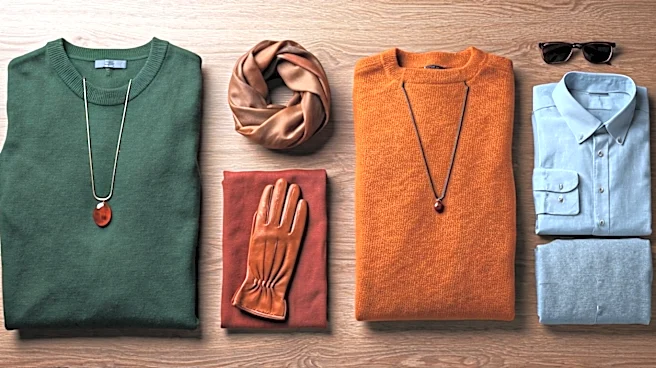
The magic of the Deep Autumn palette isn’t just about wearing specific colors; it’s about creating a system that eliminates guesswork. When every piece in your wardrobe belongs to the same harmonious color family, getting dressed becomes exponentially easier. Everything naturally coordinates. That olive green sweater works with your camel trousers, which also pair perfectly with a terracotta blouse. This cohesion is the “quiet” force shaping your wardrobe. It reduces decision fatigue and stops you from buying one-off items that don't integrate with anything else you own. It encourages you to build a curated collection of clothes that look good on you and look good together, ensuring every purchase is a smart investment in your personal style.
Your Signature Color Checklist
Building a Deep Autumn wardrobe starts with embracing its signature hues. Think rich, elegant, and grounded. Your go-to neutrals are not black and white, but rather deep chocolate brown, warm cream, camel, and dark olive. For your main colors, look for shades that feel plucked from nature. This includes spicy mustard yellow, burnt orange, terracotta, deep teal, and forest green. For accents and statement pieces, consider rich burgundies, warm reds like brick or rust, and even eggplant purple. These colors bring life and personality to your outfits. The key is to look for shades that have a tangible warmth and saturation, avoiding pastels, neons, or cool-toned colors like silver and baby blue, which can wash you out.
Beyond Color: The Power of Texture
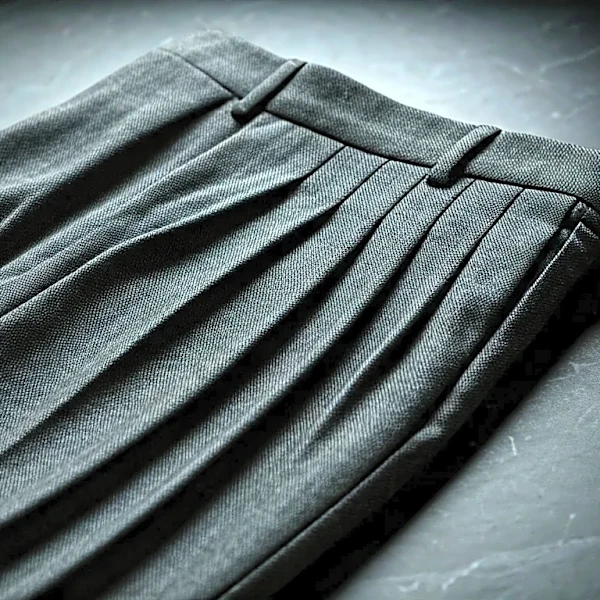
The Deep Autumn palette is uniquely enhanced by texture. Because the colors are so earthy and organic, they come alive when rendered in materials that have a tactile quality. Think of a chunky knit sweater in a warm cream, a suede jacket in a rich coffee brown, or corduroy pants in a deep olive green. Other fabrics that work beautifully include velvet, leather, flannel, and linen. These textures add another layer of depth and interest to your outfits, making even a simple monochrome look feel luxurious and intentional. When shopping, don't just consider the color; feel the fabric. The right texture can make a good color look absolutely incredible.
How to Start Weaving It In
Diving into a new color palette doesn't require a complete wardrobe overhaul overnight. Start small. The easiest way to experiment is with accessories. Try a scarf in a deep teal or a leather bag in a rich cognac. Makeup is another low-commitment entry point; a lipstick in a warm brick red or a swipe of bronze eyeshadow can instantly show you the palette's effect. From there, you can begin incorporating key pieces. Look for a versatile top in mustard or a pair of trousers in chocolate brown. As you slowly integrate these colors, you’ll notice how seamlessly they blend with each other, quietly building a wardrobe that is not only beautiful but, most importantly, works.