

The Practicality of Pizazz
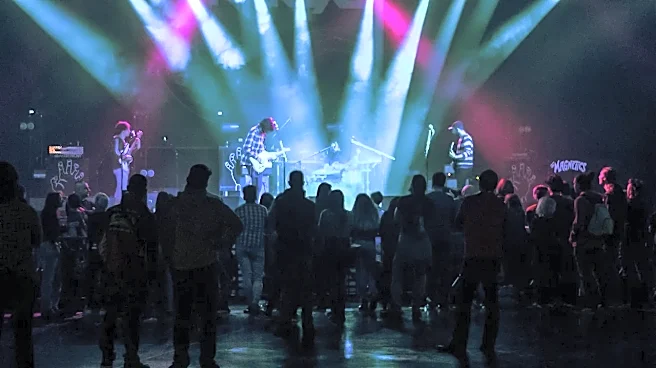
In the early days of traveling country acts, performers weren’t playing in acoustically perfect, brilliantly lit theaters. They were on makeshift stages in cavernous dance halls, at county fairs, and in rowdy honky-tonks. The primary job of a performer was
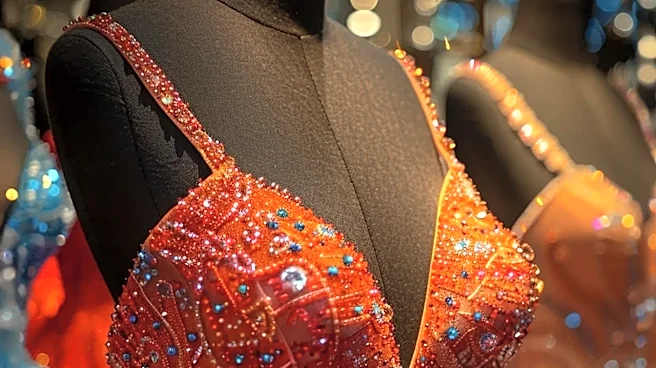
to command attention, and that was hard to do if the audience in the back couldn't see you. The solution was simple and brilliant: light. Inspired by the finery of screen cowboys like Roy Rogers, performers started looking for ways to catch and reflect the sparse stage lighting. Rhinestones, embroidery, and bright colors weren't just for show—they were tools of the trade, ensuring the star remained the undeniable center of attention.
The Tailor Who Made the Stars Shine
You can’t tell the story of the rhinestone suit without talking about Nudie Cohn. A Ukrainian immigrant born Nuta Kotlyarenko, Cohn arrived in America as a boy and eventually found his calling in California. After an early career making custom undergarments for showgirls, he and his wife Bobbie opened Nudie's Rodeo Tailors in North Hollywood. His big break came when he convinced singer Tex Williams to fund a sewing machine in exchange for custom outfits. Cohn’s genius was to take Western wear and turn the volume all the way up. His first celebrity rhinestone client was Lefty Frizzell, who, delighted by the audience reaction, kept telling Cohn to 'make it as gaudy as you like'.
The 'Nudie Suit' Defines an Era
By the 1960s, a custom 'Nudie Suit' was the ultimate status symbol for a country star. No one embodied this more than Porter Wagoner. In 1962, Nudie gave Wagoner his first custom suit—a peach-colored creation with a covered wagon on the back and wagon wheels down the legs. Wagoner would go on to own more than 50 of them, each more elaborate than the last, becoming a walking billboard for the style on his long-running television show. The suits became personalized storyboards, featuring embroidered images that referenced an artist's hits or nicknames. From Hank Williams' musical notes to Elvis Presley's famous $10,000 gold lamé outfit, Nudie's creations helped forge the visual identity of a generation of stars.
A Counter-Culture Crossover
Just as the rhinestone suit seemed to define the Nashville establishment, it was unexpectedly co-opted by the counter-culture. Gram Parsons, the pioneering force behind country-rock, famously commissioned a Nudie suit for the cover of The Flying Burrito Brothers' 1969 album, 'The Gilded Palace of Sin'. His suit was a psychedelic tapestry of marijuana leaves, pills, and poppies alongside a cross, perfectly capturing his blend of sin and salvation. This act gave the Nudie suit a rebellious, rock-and-roll edge, and soon everyone from Keith Richards to Elton John was embracing the glitz. The 'outlaw' country movement of the 70s would react against this polish with denim and leather, but the suit's influence had already spread far beyond Nashville.
The Rhinestone's Red Carpet Legacy
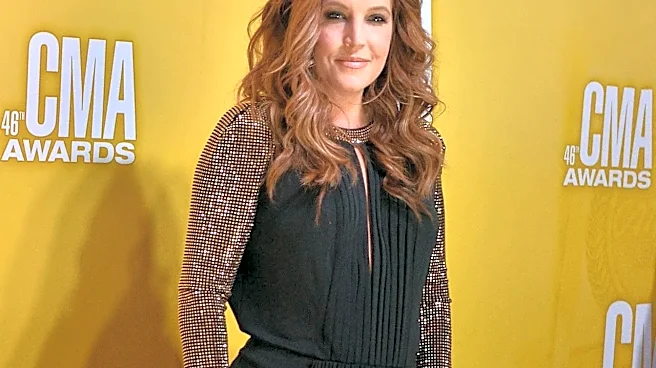
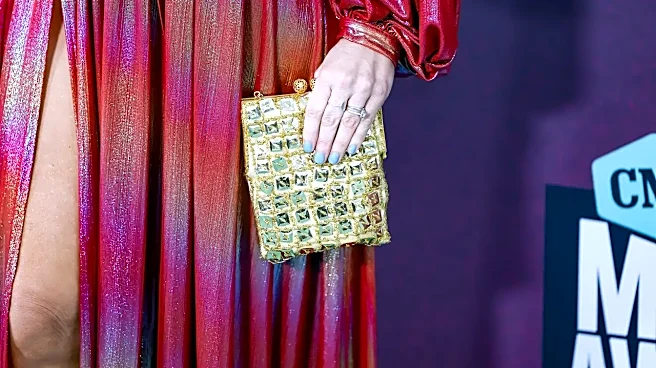
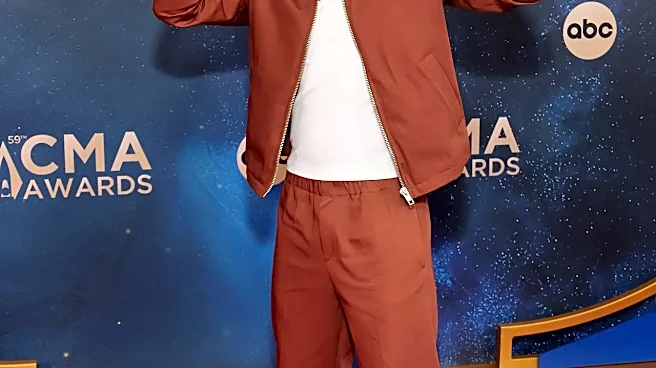
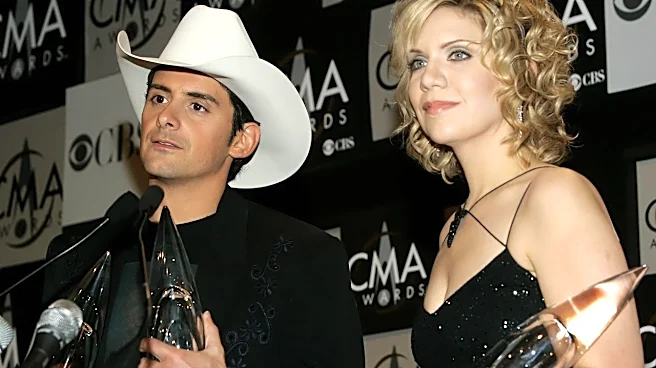
Today, the CMA red carpet is a landscape of high-fashion gowns and designer tuxedos, more aligned with Hollywood than a honky-tonk. Yet, the spirit of the Nudie suit endures. Modern artists like Kacey Musgraves and Post Malone often pay homage to the rhinestone tradition, incorporating Western flair and bespoke sparkle into their looks. The original job of the rhinestone—to be seen—has evolved. In a crowded digital world, it’s now about standing out, crafting a personal brand, and connecting to a rich history of country music audacity. The function may have changed, but the need to get noticed remains as bright as ever.