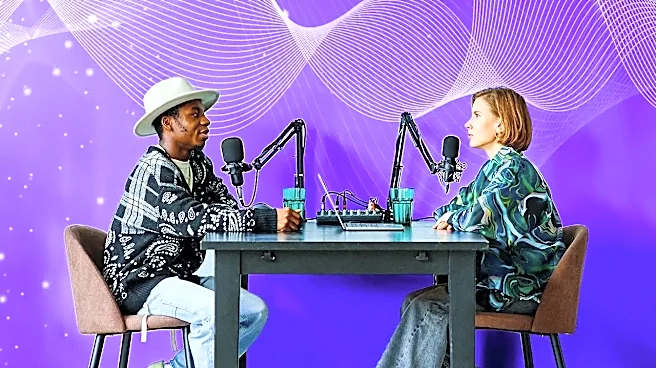









The Friend in Your Ear
At its core, a parasocial relationship is the one-sided connection audiences form with media figures. It’s the feeling of friendship or intimacy with someone who doesn’t know you exist. While this isn't new—think of classic TV news anchors or beloved
sitcom characters—podcasting has supercharged the effect. The medium is uniquely intimate. Delivered directly into a listener’s ears, often during solitary activities like commuting or doing chores, podcasts create a sense of a private conversation. Hosts often share personal anecdotes and speak in a conversational, authentic style, which helps listeners feel like they are part of a genuine social interaction. This consistent, familiar presence in a listener's weekly routine builds a powerful sense of trust and closeness, turning a host into a reliable companion.
From Passive Listener to Active Advocate
This deep sense of connection doesn't just stay in the listener's head; it translates directly into action. A parasocial bond can make a listener feel a sense of loyalty and even ownership over a show's success. When a host asks their audience to support them, it doesn't feel like a generic marketing plea. Instead, it feels like a personal request from a friend. This dynamic transforms passive listeners into active advocates. They don't just consume the content; they join the show's online communities, defend it against critics, and, most importantly, mobilize when asked. This is particularly visible in the context of awards. Voting becomes more than just a click; it's a way for the listener to reciprocate the emotional connection and validate their investment in the show and its creator.
Awards as the Ultimate Fan Mission
Events like the iHeartPodcast Awards expertly tap into this dynamic. While many categories are decided by industry judges, the marquee award, Podcast of the Year, is determined entirely by fan voting. This structure turns the awards season into a large-scale fan mobilization effort. For the audience, voting is the ultimate expression of their parasocial loyalty. It’s a tangible way to give back to the host who has provided them with hours of entertainment, comfort, or knowledge. Winning a fan-voted award isn't just a victory for the creator; it's a shared victory for the entire community. It proves that their collective emotional investment has real-world power, solidifying the bond between the host and their thousands, or even millions, of unknown friends.
The Double-Edged Sword of Connection
For creators, these strong parasocial connections are both a blessing and a burden. On one hand, a dedicated fanbase that feels a personal stake in your work is an incredible asset. It drives downloads, fuels merchandise sales, and creates a powerful, organic marketing force. On the other hand, it can create immense pressure. The line between a public persona and a private individual can become blurred, and the expectations from an audience that feels they know you can be intense. When a host’s actions don't align with the fan's perceived image of them, the resulting backlash can feel like a personal betrayal. Navigating this lopsided intimacy requires a delicate balance, as creators must foster community without sacrificing their own boundaries.