



1. Embrace a Single Color
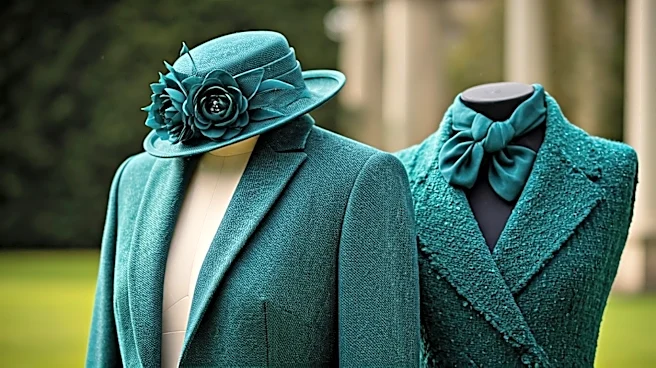
One of the most effective strategies seen at Ascot is monochromatic dressing. From Kate Middleton’s elegant red ensemble to a guest’s head-to-toe powder blue, wearing a single color—or varying shades of it—is incredibly powerful. Why does it work so well
for photos? It creates an unbroken vertical line, making you appear taller and more streamlined. The eye isn't distracted by competing patterns or jarring color blocks, allowing the focus to remain on the overall silhouette and, most importantly, on you. For your next wedding or formal event, consider a dress and accessories in the same color family. It’s a simple, high-impact choice that reads as intentional and chic, never busy.
2. Prioritize Structure Over Slouch
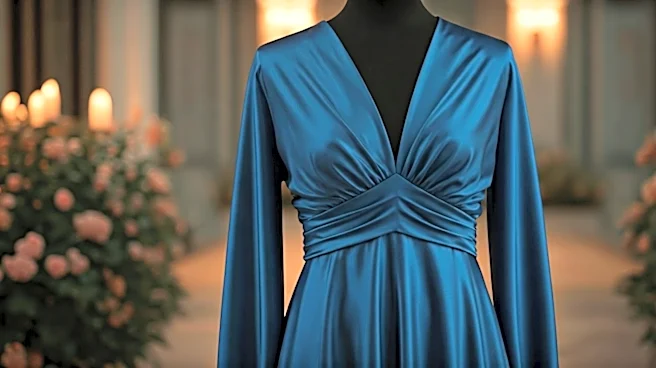
You won’t find much flimsy, unstructured fabric in Ascot’s Royal Enclosure. The dress code favors tailoring, and for good reason: structured garments hold their shape. A dress with a defined waist, a jacket with a crisp shoulder, or a skirt made from substantial fabric like crepe or bonded silk photographs beautifully because it maintains its lines. Unlike flowy, unstructured pieces that can look shapeless or billow unflatteringly in a sudden breeze, a well-tailored outfit carves out a deliberate silhouette. This doesn't mean you need to be constricted. It simply means choosing pieces that have their own form, which helps you look poised and polished from every angle, whether you’re sitting, standing, or caught in a candid shot.
3. Focus on Silhouette, Not Season
While fashion magazines are busy declaring the micro-trend of the moment, Ascot attendees rely on classic silhouettes that have proven their worth for decades. A-lines, sheaths, and fit-and-flare dresses are perennial favorites because they flatter a wide range of body types and never look dated. The lesson here is to invest in shapes that work for *you*, rather than chasing a fleeting trend that will make a photo look instantly old. When you look back at pictures from an important event, you want to see yourself looking your best, not remember that it was “the summer of the cut-out” or “the season of the prairie dress.” A classic silhouette ensures the focus remains on the person and the memory, not the trend.
4. Understand the Power of Modesty
Ascot’s rules—straps of at least one inch, hemlines at the knee or longer, and covered midriffs—might seem archaic, but they teach a valuable lesson in photographic elegance. Modesty forces creativity to be focused elsewhere: on exquisite tailoring, luxurious fabric, and unique accessories. In photos, this approach often translates to sophistication. It draws the eye to the overall composition of the outfit rather than just one area of exposed skin. This isn't an argument against showing skin, but an observation that for formal, photographed events, a more covered approach can feel more timeless and regal. It ensures your outfit is making a statement about your style, not just your willingness to follow a trend.
5. Finish with One Strong Focal Point
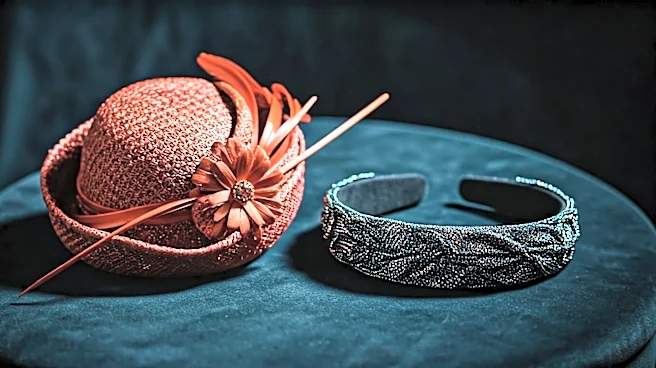
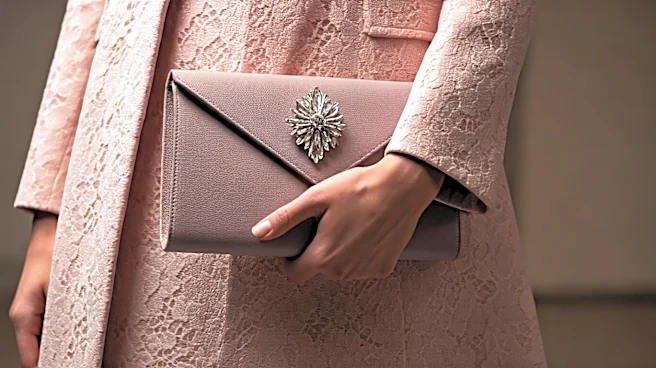
At Ascot, the focal point is traditionally the hat or fascinator. It’s the exclamation point of the outfit. For the rest of us, the principle is the same: every great outfit needs a single, confident statement piece. It could be a sculptural hat, but it could also be a striking handbag, a bold piece of jewelry, or a fantastic pair of shoes. The key is *one* focal point. An outfit with a statement hat, statement necklace, statement belt, and statement shoes becomes a chaotic mess in photographs. By choosing one element to be the star, you create a sense of balance and intention. It tells the world—and the camera—exactly where to look.